Fresh Fruit and Old Traditions Meet in Singapore's Tea Shops
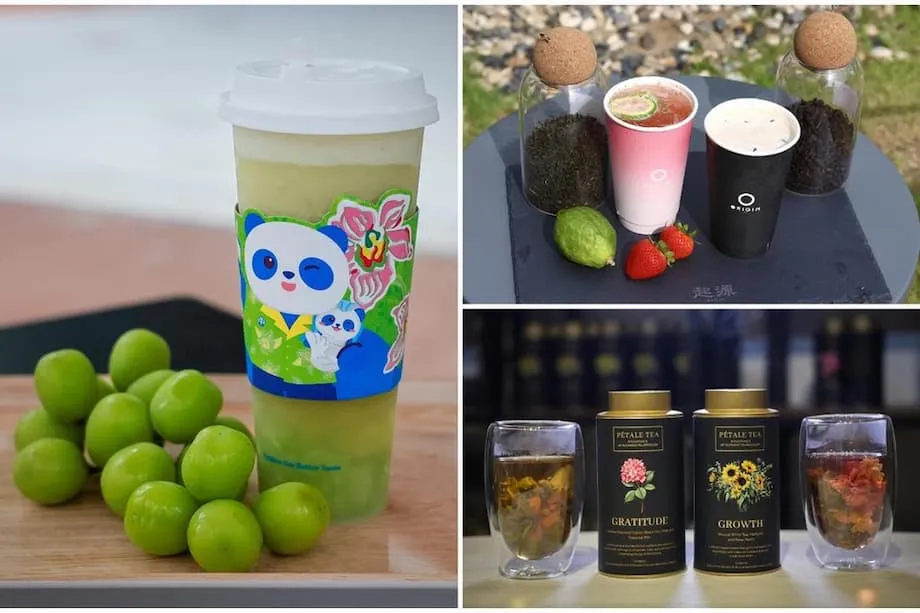
ChaPanda opened its first two Singapore outlets in July 2025, bringing a Chinese chain with nearly 9,000 stores worldwide into a market where local businesses are also finding new ways to serve tea. Sixty percent of its customers choose fruit teas, and Mango Pomelo Sago is its clear bestseller. Fresh fruit is prepared daily under strict quality controls.
Contents
- Fresh Fruit and Old Traditions Meet in Singapore's Tea Shops
- Why Wellness Has Become Part of the Tea Pitch
- Local Businesses Give Tea Different Forms
- Chinese Chains Take Their Drinks Abroad
- How Chains Combine Familiarity and Local Taste
- Specialty Tea Makes Personal Choice the Product
- Technology and Sourcing Become Part of the Business
- Bubble Tea's Lasting Appeal Comes With a Sugar Concern
- New Recipes Keep Indulgence in the Market
- Collectibles and Ceremonies Compete for Attention
- Singapore's Luxury Tea Presence Reaches Beyond the Cup
- Key Points
As of August 23, Singapore's changing tea scene stretches well beyond another international chain arriving. Local businesses are selling teas inspired by traditional Chinese medicine, preserving Teochew brewing practices, turning flowers into visual displays and inviting customers to build their own blends. Established luxury brand TWG Singapore has even introduced tea infused gummy bears.
Tea has long belonged to Singapore's Chinese, Malay and Indian communities, each with its own drinking traditions. Coffee, followed more recently by bubble tea, has commanded much of the attention. The current revival brings those older tea cultures into contact with a younger market looking for distinctive flavours, personal choice and experiences worth sharing.
Market research by Mintel identifies Millennials and Gen Z as drivers of this shift. These consumers seek unusual flavours, customisable blends and experiences beyond refreshment. Many young Singaporeans place a high value on memorable experiences rather than material possessions, giving specialty salons and inventive tea products an audience.
For customers, that means a broader choice of occasions: a fruit drink bought on the move, a carefully brewed pot shared with friends, a floral infusion before bed or a tasting session built around the differences between teas. Wellness, social connection and cultural identity now sit alongside taste as reasons to buy.
Why Wellness Has Become Part of the Tea Pitch
Tea's reputation as a calming, healthy drink is central to its renewed appeal. Consumers are turning to it for perceived health benefits, the attraction of lower caffeine content and a more mindful drinking experience. Brands are responding with herbal and floral infusions, options without caffeine and blends inspired by traditional Chinese medicine, often shortened to TCM.
Luli Singapore, introduced by Jovalene Teo, presents its drinks as modern lifestyle beverages rooted in TCM. Its Lingzhi Dragon Ginseng blend is promoted for immune support and reduced fatigue. The business is also planning an AI Mirror that would recommend teas to individual customers, bringing a technology element to its personalised approach.
Tea Therapy Singapore concentrates on floral, herbal and freeze dried fruit teas without caffeine. Its products include floral tea bombs and Bonne Nuit, a blend promoted for sleep support. The brand combines plant based remedies with meditative tea rituals, making the preparation and drinking process part of its appeal.
Claims about immunity, fatigue and sleep are part of how these products are presented to customers. Across the market, brands are selling a daily ritual as well as a beverage, connecting tea with relaxation, inner peace and the wish to build better habits.
Local Businesses Give Tea Different Forms
LimCha Teahouse Cafe takes its starting point from Teochew gongfu tea culture. Its combination of premium Dancong teas, cold brews and pastries made with tea aims to preserve that tradition while making ceremonial tea drinking approachable for younger customers.
Golden Seed, at Millenia Walk, offers tasting flights of quality teas and artisanal teaware. A tasting flight lets customers try several teas in one sitting, turning a purchase into a guided comparison of flavours. Its approach brings heritage into a contemporary retail setting.
Origin Teahouse focuses on natural tea beverages without artificial additives. Drinks such as Roasted Tie Guan Yin Latte and Berry Nice Tea use fresh ingredients, combining familiar cafe formats with an emphasis on the flavour of the tea itself.
Petale Tea builds its identity around handcrafted blooming teas that open in a glass pot. The unfolding flowers make brewing a sensory ritual as well as a visual event. Its Classic Storytelling Tin gift sets position tea as a thoughtful present and something to share in conversation.
These businesses offer different routes into tea culture. LimCha puts a brewing tradition at the centre, Golden Seed encourages tasting and comparison, Origin offers creative everyday drinks, and Petale makes preparation part of the experience. Together, they show how the local market is expanding beyond a single fashionable recipe.
Chinese Chains Take Their Drinks Abroad
Singapore's growth is part of a wider expansion by Chinese tea chains into Southeast Asia, North America and Europe. Mixue, Heytea, Chagee and Molly Tea are among the businesses pursuing customers beyond China. Their drinks mix Eastern tea traditions with Western tastes and visual styles.
Chinese tea brands have opened more than 5,000 outlets overseas, according to an account of overseas tea expansion published on August 22. Singapore has served as an important starting point. Heytea began its international expansion here in 2018 before reaching London, Melbourne and several North American cities.
Several developments show how the market has taken shape:
- 1992: Bubble tea arrived in Singapore.
- 2018: Heytea began its international expansion in Singapore.
- During the COVID-19 pandemic: Online tea sales and demand for functional teas accelerated.
- July 2025: ChaPanda opened its first two Singapore outlets.
- August 22, 2025: An account of Chinese tea brands' expansion put their overseas network at more than 5,000 outlets.
ChaPanda's nearly 9,000 stores worldwide illustrate the scale of an individual chain, while the figure of more than 5,000 overseas outlets describes the international reach of Chinese tea brands collectively. Singapore is both a destination for these businesses and a base from which some have entered other markets.
How Chains Combine Familiarity and Local Taste
Chinese tea businesses are competing through product development, digital operations, price and adaptation to local preferences. Fresh fruit, floral infusions and striking presentations appeal to younger consumers interested in both appearance and perceived health benefits.
Social media, influencer campaigns and online ordering help brands attract attention and make purchasing convenient. Mixue's competitive prices and broad selection illustrate another route to customers: making a wide range of tea drinks accessible at relatively affordable prices.
Successful brands adjust flavours to local palates while keeping signature products that express their origins. The balance matters in a market where customers can choose between established traditions and recipes designed for contemporary cafe culture.
Wang Peng of the Beijing Academy of Social Sciences describes the expansion as a change in what Chinese businesses sell to the world:
The overseas growth of Chinese tea brands shows that they are moving up the value chain, from low-cost producers to lifestyle and culture exporters.
In Singapore, that cultural approach meets a population already familiar with several tea traditions. New chains therefore enter a market with existing habits, local competitors and customers accustomed to choosing among different styles.
Specialty Tea Makes Personal Choice the Product
Singapore's specialty businesses are appealing to customers who want quality ingredients, distinctive flavours and tea produced in small batches. The attraction overlaps with the wider demand for personalisation, but extends beyond selecting sugar or ice levels.
Gryphon Tea's Monogram label lets customers layer flavours and create their own blends, supported by online pairing tools and tasting notes. Pin Tea and ETTE Tea Company give their products a local identity through names inspired by Singapore neighbourhoods or flavours associated with local dishes.
Plant based milks and botanical ingredients are also shaping recipes. Some blends are designed around particular aims, including digestion, relaxation and immune support, reflecting the connection brands are making between beverage choice and daily wellbeing.
Gigi Ng, director of Dreiheit Group, describes the appeal of specialty tea and the customers driving demand:
Specialty teas are gaining popularity among consumers for their high-quality ingredients, unique flavors, and small-batch production. The market for tea is expanding, with younger generations and health-conscious consumers driving growth.
Personal choice also gives customers different ways to express a connection to Singapore. A tea named after a neighbourhood or inspired by a familiar dish can carry memories and a sense of place, alongside its aroma and taste.
Technology and Sourcing Become Part of the Business
Technology is changing how tea is recommended, processed, packaged and sold. Luli's proposed AI Mirror is one example of a business seeking to tailor recommendations to individuals. A launch date was not given.
Online tools already support blending and flavour pairing, while digital ordering and social media help chains reach customers. The COVID-19 pandemic accelerated online sales and interest in functional teas, changing how Singaporeans discover products as well as where they purchase them.
Sustainability is another growing priority. Brands are paying attention to ethical sourcing, traceability and relationships with tea growers. Traceability means being able to follow a product back through its supply chain, helping explain where the tea came from.
These concerns sit alongside improvements in processing and packaging. For specialty businesses, the story behind the leaves is becoming part of the purchase, together with flavour, presentation and the experience of brewing.
Bubble Tea's Lasting Appeal Comes With a Sugar Concern
Bubble tea has grown from its arrival in Singapore in 1992 into a market with more than 60 brands and thousands of outlets. Its popularity rests partly on the number of choices a customer can make: tea base, sugar, ice and toppings ranging from chewy pearls to cheese foam.
A bubble tea commentary states that beverages account for more than half of Singaporeans' daily sugar intake, with bubble tea a major contributor. Choosing "zero sugar" can still leave a drink high in calories because toppings contribute to the total.
Youths are a particularly important audience for bubble tea businesses. Mascots, collaborations and social media campaigns help brands reach younger customers, while the scope for customisation lets each order feel personal.
The commentary's author argues that the spread of outlets also affects the mix of food available in Singapore:
The proliferation of bubble tea outlets is changing Singapore's food culture, potentially crowding out other cuisines with more nutritional and cultural value. While bubble tea has its place as an indulgence, Singaporeans should consider moderating their consumption and making room for healthier food choices.
The concern extends to sustainability as well as health. Within the wider tea revival, bubble tea occupies a different place from a plain brewed tea or a herbal infusion: its appeal often depends on sweetness, texture and added ingredients.
New Recipes Keep Indulgence in the Market
Bubble tea businesses continue to experiment despite those concerns. Brown sugar pearl milk has become a prominent trend in Singapore, with Tiger Sugar among the brands leading it. The drink combines fresh milk, brown sugar caramel and tapioca pearls, creating a rich treat with a distinctive appearance.
Other businesses are trying salted egg custard, avocado and tea infused gummy bears as additions. These recipes keep the category competitive by giving customers something unfamiliar to try, even as other parts of the market focus on simplicity or wellness.
TWG Singapore's Tea Teddies show how playfulness also reaches established luxury tea businesses. The gummy bears can be eaten as snacks or dissolved in hot drinks, allowing the same product to work as confectionery and as a way to prepare a beverage.
Blooming teas in glass pots, colourful fruit infusions and playful packaging serve a similar visual purpose across different price levels. Tea is increasingly designed to be photographed and shared as well as tasted.
Collectibles and Ceremonies Compete for Attention
Blind boxes, limited edition collectibles and plush toys have become marketing tools for food and beverage businesses in Singapore. They draw on nostalgia, encourage repeat visits and give customers something to post on social media.
A report on these promotions describes their commercial appeal:
Food and beverage brands in Singapore are increasingly using blind boxes and plush toys as part of their marketing strategies to attract diners. This approach has proven effective in creating buzz and driving sales, as diners are eager to relive fond memories and share their finds on social media.
Tea salons, ceremonial sets and tasting journeys offer another kind of experience. Instead of encouraging a quick collectible purchase, they invite customers to slow down, savour different teas and connect with brewing culture.
Both approaches respond to the preference for memorable experiences identified among younger consumers. One centres on surprise and collecting; the other on ritual, conversation and the time spent preparing a drink.
Singapore's Luxury Tea Presence Reaches Beyond the Cup
TWG was named among the world's top 10 luxury tea brands by World Brand Lab, alongside Twinings and Mariage Frères. The recognition places a Singapore brand beside established international names and reflects the country's presence in the luxury tea market.
The assessment describes luxury tea through three areas: brand strength, value for consumers and business development. These cover reputation, heritage and exclusivity; distinctive experiences, premium ingredients and sophisticated packaging; and international reach, innovation and adaptability.
During the COVID-19 pandemic, greater consumer awareness of tea's perceived health benefits also supported demand for premium and functional teas. World Brand Lab expressed a broad view of those benefits:
The benefits of drinking tea have long been understood by the Chinese people and extend far beyond the effects of caffeine for which it is best known in the West. From digestive health to the enhancement of the circulatory system, the treatment of diabetes, and the improvement of memory, a daily tea-drinking regimen can both improve your life and increase your enjoyment of it.
That statement presents World Brand Lab's view of tea's health appeal. Across Singapore's market, businesses are building their identities around different combinations of quality, convenience, cultural heritage, wellbeing and entertainment.
For Singaporeans, the immediate change is the range of choices available. International fruit tea chains now compete alongside local specialists, ceremonial teahouses, bubble tea businesses and luxury labels. The revival brings traditional brewing and new recipes into the same crowded beverage market.
Key Points
- ChaPanda opened its first two Singapore outlets in July 2025; fruit teas account for 60 percent of its customers' choices.
- Local businesses are developing TCM inspired drinks, Teochew tea experiences, tasting flights, natural beverages and blooming teas.
- Chinese tea brands have more than 5,000 overseas outlets, with Singapore an important destination and starting point for expansion.
- Specialty brands are using custom blends, local flavours, digital tools and attention to sourcing to attract customers.
- Bubble tea has more than 60 brands and thousands of Singapore outlets, alongside concerns about sugar, calories and sustainability.
- Collectibles, tea ceremonies and luxury products show how businesses are competing through experiences as well as drinks.