A 10 Second Clip Meets Six Months of Grief
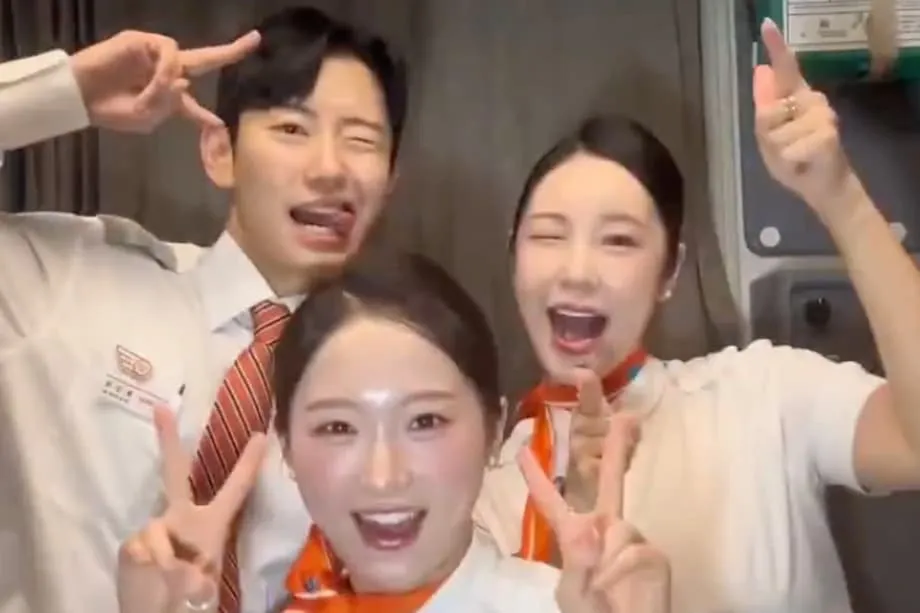
A video posted by Jeju Air on July 11, 2025, has drawn more than 2 million views, over 200,000 likes and an angry debate about how an airline should behave after a disaster. The clip shows three uniformed flight attendants dancing, jumping, smiling and flashing V signs inside an aircraft cabin.
Contents
- A 10 Second Clip Meets Six Months of Grief
- What Happened at Muan Airport?
- The Dates Behind the Dispute
- Why Critics Say the Video Came Too Soon
- Why Others Defend the Flight Attendants
- A Successful Social Media Strategy Faces a Different Audience
- Why the Crash Investigation Remains Contested
- Public Mourning and Private Expression
- What the Video Changes for Jeju Air and Families
- Key Points
The video, titled "Feisty Flight Attendants," lasts just 10 seconds. Its reception has been shaped by a much larger event: the December 29, 2024, crash of Jeju Air Flight 7C2216 at Muan International Airport in South Korea, which killed 179 of the 181 people aboard.
By July 22, the disagreement had spread beyond whether the dancing was appropriate. Critics were asking the airline to show greater restraint while families continued to grieve and seek answers. Defenders argued that the employees appearing in a social media campaign should be allowed moments of happiness and should not become targets for anger over the crash.
The dispute has brought together three unresolved issues: how long public mourning should last, who bears responsibility for a company's public image, and how an airline can return to ordinary business while the investigation into a fatal accident remains contested.
What Happened at Muan Airport?
Flight 7C2216 was arriving at Muan International Airport in South Jeolla Province after a routine journey from Bangkok, Thailand. The Boeing 737-800 struck a flock of birds as it approached to land, beginning a sequence of events that ended in South Korea's deadliest air accident on its own soil.
The account of the investigation described the pilots shutting down the less damaged left engine instead of the more severely affected right engine after the bird strike. The landing gear was not deployed, and the aircraft attempted a belly landing at high speed. A belly landing means the aircraft comes down on its underside instead of its wheels.
The plane overran the runway, struck a concrete reinforced embankment and caught fire. Only two people survived. The deaths of 179 passengers and crew plunged the country into mourning and left families facing a long and painful recovery process.
Recovering bodies and confirming identities took considerable time. Funerals for many victims were described as recent when criticism of the July video emerged. For those objecting to the clip, the passage of roughly half a year since the crash did not match the much shorter time some families had spent since identifying and burying their relatives.
The embankment has also become part of the argument over responsibility. Families and the pilots' union want the investigation to examine the airport's infrastructure alongside decisions made in the cockpit, including the consequences of an aircraft leaving the runway and striking the structure.
The Dates Behind the Dispute
The controversy developed over several months, against the background of an existing social media strategy and an unfinished accident investigation. The principal dates show why a short promotional clip became tied to a much longer public debate.
- August 2024: Jeju Air had become the leading domestic carrier by online subscribers, following efforts to expand its social media audience.
- December 29, 2024: Flight 7C2216 crashed at Muan International Airport after arriving from Bangkok. Of 181 people aboard, 179 died and two survived.
- July 11, 2025: Jeju Air posted "Feisty Flight Attendants" on its official social media channels, including TikTok.
- July 2025: The video attracted more than 2 million views and over 200,000 likes, alongside criticism and messages defending the crew.
- July 22, 2025: The debate continued while families sought answers and the accident investigation remained disputed.
- Mid-2026: The final investigation report was expected.
The interval matters to both sides. Critics describe six months as too soon for cheerful promotion by the airline involved. Supporters argue that employees cannot reasonably be expected to remain publicly gloomy indefinitely.
Why Critics Say the Video Came Too Soon
Jeju Air shared the clip through its official accounts, making the dancing part of the airline's public communication. Viewers therefore encountered it as a message from the company, even though individual employees were the people on screen.
Many critical comments focused on timing. The crash remained recent in public memory, families were still mourning, and arguments about its causes had not been settled. Some viewers regarded the contrast between that grief and the cheerful cabin scene as disrespectful.
One social media commenter argued that the airline should observe a longer period of mourning:
How long has it been since the Muan accident? It's only been half a year since the accident, so we need at least a year of mourning.
Another commenter connected the video to the difficult process of identifying victims and holding funerals, asking viewers to imagine the reaction of a bereaved family:
It took a long time to recover the bodies and confirm their identities. The funerals were recent. Wouldn't it be upsetting to see this if it were your family?
The phrase "the funerals were recent" became a rallying point for people who believed the airline had resumed a playful public tone too quickly. Their objection concerned the company's choice to publish the video while the consequences of the disaster were still immediate for families.
The demand for at least a year of mourning came from a commenter expressing a view about appropriate conduct. The wider argument was about public expectations: whether a company connected to a national tragedy should keep its promotional messages restrained for longer than its ordinary business activities require.
Why Others Defend the Flight Attendants
Supporters of the crew argued that the people dancing were not responsible for the crash and should not be blamed for taking part in a corporate campaign. Some saw the criticism as anger directed at employees who had little connection to the decisions under investigation.
One user challenged the assignment of responsibility with a question about the people being blamed:
Did the flight attendants or first officer cause the accident?
Another commenter defended the appearance of happiness itself, arguing that an accident should not require employees to remain visibly unhappy forever:
They look adorable dancing … Just because there was an accident doesn't mean they have to stay gloomy forever.
Online forums and Reddit discussions also included accusations that some critics were invoking the tragedy to pursue their own agendas. Those exchanges turned the charge of insensitivity in another direction: supporters asked whether bringing the crash into otherwise unrelated moments could itself be hurtful.
The disagreement separates two concerns that meet in the same video. Employees have personal lives and emotions, while an airline chooses what to publish under its own name. A viewer defending the attendants may still expect careful judgment from the company, just as criticism of the company's timing can be directed at its communications decisions.
For the people taking part in the debate, the practical question is how ordinary work and public expressions of joy can resume without making grieving families feel forgotten. No shared expectation about the length or appearance of mourning had emerged.
A Successful Social Media Strategy Faces a Different Audience
Jeju Air had already invested heavily in building an approachable online identity. By August 2024, it ranked first among domestic carriers by online subscribers. Earlier campaigns, including the "Chanoul Challenge," had attracted millions of views.
The July video continued that style of communication. Airlines and hospitality businesses use TikTok, Instagram and YouTube to show employees outside the formal routines passengers usually see. Dance challenges and glimpses of work behind the scenes can make staff appear more familiar and help brands reach younger audiences.
Flight attendants and restaurant employees have become familiar participants in these videos. The intended appeal is often simple: colleagues share a playful moment, viewers enjoy it, and the business gains attention. Such content can celebrate creativity and teamwork while strengthening a sense of community among staff and customers.
Jeju Air's clip achieved the reach associated with a successful viral campaign. Millions of views and hundreds of thousands of likes meant that many people watched or welcomed it. At the same time, the comments showed that a large audience can contain sharply different expectations of the same company.
Social media spreads criticism as quickly as approval. A short video can travel far beyond the followers for whom it was originally intended, reaching people who connect it immediately with a recent tragedy. For Jeju Air, a familiar promotional format had entered a changed public setting.
The dispute shows why timing forms part of a corporate message. Dancing inside an aircraft cabin may be ordinary promotional content in one situation. When published by an airline whose crash victims' families are still seeking explanations, it also becomes a statement viewers judge against the company's responsibilities after the disaster.
Why the Crash Investigation Remains Contested
The Aircraft and Railway Accident Investigation Board, known as Araib, initially attributed the crash to pilot error following the bird strike. The preliminary account focused on the shutdown of the less damaged engine and the failure to lower the landing gear before the attempted landing.
According to people familiar with the investigation, the pilots shut off the left engine even though the right engine had suffered more severe damage. Explaining that sequence is central to understanding how the aircraft reached the runway in the condition described.
Families of those killed have challenged the findings and demanded greater transparency. They want a wider examination of the crash, including infrastructure and the conditions surrounding the attempted landing. Their requests concern how the accident happened and which organisations or decisions may have contributed to its deadly outcome.
The pilots' union has also criticised the investigation, arguing that the deceased pilots are being scapegoated. It has called for attention to organisational and environmental issues, including the embankment the aircraft struck after leaving the runway.
Families and the union have sought scrutiny of the airport's perimeter design and the airline's operating procedures. Those concerns broaden the inquiry beyond the final actions in the cockpit to the arrangements that were supposed to keep passengers and crew safe.
Araib postponed the release of its interim findings at the families' request. The final report was expected by mid-2026; the causes and allocation of responsibility remained unresolved as of July 22, 2025.
Public Mourning and Private Expression
The Jeju Air argument connects with other disputes in South Korea about the behaviour of public figures after national tragedies. Actor Jeon Jong-seo faced criticism for posting a smiling selfie after the crash, prompting debate about whether a cheerful image was appropriate during a period of public grief.
Critics in such disputes argue that public figures and organisations should show solidarity and respect. Others defend the right to process loss privately and reject the expectation that someone must display sadness in every public appearance or social media post.
Social media makes those expectations difficult to separate. A personal photograph, an employee's performance and an official corporate campaign can all appear in the same stream of content. Viewers may encounter them without the surrounding context that explains when, why or for whom they were created.
Jeju Air's video sits at the corporate end of that spectrum because the airline published it through official channels. The dispute nevertheless reaches the individuals shown, whose expressions and actions become the visible focus of criticism directed at the company.
The broader conversation also includes other moments of public backlash, such as criticism of a baseball team for playing the Korean anthem after a championship win in Japan. Although the circumstances differ, these disputes show how timing, place and shared sensitivities can shape reactions to a public celebration.
Similar tensions exist beyond South Korea. Societies face competing wishes to honour those who died, support survivors and families, and allow ordinary life to resume. The Jeju Air controversy has made those competing expectations visible through an unusually brief and widely shared piece of content.
What the Video Changes for Jeju Air and Families
For Jeju Air, the backlash puts its promotional choices alongside the still unfinished task of accounting for a crash that killed 179 people. The company's established playful identity now reaches an audience that includes bereaved families waiting for explanations.
For the attendants in the clip, the debate places ordinary participation in workplace promotion under intense public scrutiny. Supporters want their actions considered separately from responsibility for the disaster, while critics continue to focus on the airline's decision to publish the performance.
For families, the central demand remains answers about December 29. Disputes over engine shutdowns, landing gear, airport structures and operating procedures carry direct weight in their search for accountability. A social media controversy adds another public argument while those questions remain open.
The divide is therefore larger than approval or disapproval of dancing. It concerns how a company demonstrates respect during an unresolved investigation, how employees are treated in public debate, and how families experience the return of ordinary commercial life after an extraordinary loss.
Key Points
- Jeju Air posted the 10 second "Feisty Flight Attendants" video on July 11, 2025. It attracted more than 2 million views and over 200,000 likes.
- The clip appeared about six months after Flight 7C2216 crashed at Muan International Airport, killing 179 of the 181 people aboard.
- Critics called the company's timing insensitive, citing prolonged victim identification, recent funerals and continuing grief.
- Supporters defended the attendants and rejected expectations that airline employees should remain publicly gloomy indefinitely.
- Families and the pilots' union challenged the investigation's focus on pilot error and sought wider scrutiny of airport infrastructure and airline procedures.
- Araib postponed interim findings at the families' request. The final report was expected by mid-2026.