Compassion Needs a Plan Beyond the Rescue
Dhaka's proposal in 2020 to relocate about 30,000 stray dogs exposed a difficult question for animal welfare in Bangladesh: what happens when an intervention intended to solve a problem creates suffering somewhere else?
Contents
- Compassion Needs a Plan Beyond the Rescue
- Why Immediate Help Can Create Lasting Problems
- When Public Attention Becomes Seasonal
- What the Animal Welfare Act Changed
- Why Legal Protection Still Falls Short
- Dhaka's Dog Dispute Shows the Stakes
- How Culture and Urban Growth Shape Animal Care
- What a Lasting Response Requires
- Adoption Must Offer More Than Another Temporary Home
- Keeping the Animal's Future at the Centre
- Key Points
City authorities wanted to move the dogs outside the capital. Animal rights activists opposed the plan, arguing that removing animals from familiar streets was inhumane and ineffective. The dispute followed years in which authorities had killed up to 20,000 stray animals annually, before a court order in 2015 banned the practice.
By July 2, 2025, Bangladesh had an animal protection law and a growing community of welfare organisations and volunteers. Yet the challenge extended beyond stopping obvious cruelty. Feeding, rescuing and sheltering animals could also bring unintended harm when immediate help came without arrangements for sterilisation, continuing care or adoption.
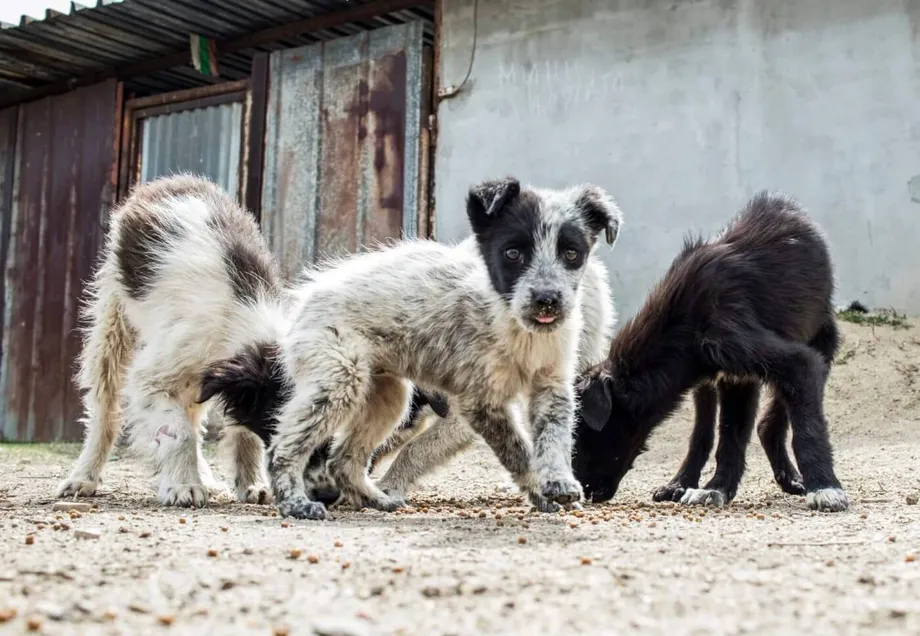
Dogs, cats and other animals on busy streets often prompt people to offer food, take an injured animal home or share a rescue on social media. Those responses can meet an urgent need. The harder task is ensuring that an animal remains safe after the food is eaten, the injury is treated or public attention moves elsewhere.
Why Immediate Help Can Create Lasting Problems
A veterinarian in Dhaka expressed the concern in unusually blunt terms. The veterinarian, whose name was not given, said:
The biggest threat to animal welfare in Bangladesh are the overenthusiastic animal welfare activists.
Leaders of major animal welfare organisations have voiced similar concerns about efforts that concentrate on feeding, rescue and shelter without addressing the causes of the stray animal crisis. The issue is the gap between an urgent act of kindness and the continuing work needed to make it effective.
Feeding animals without accompanying sterilisation programmes can support population growth. Sterilisation prevents animals from reproducing. Without it, more animals can be born into the same harsh conditions, increasing the number exposed to hunger, disease and abuse.
Rescue creates another responsibility. An animal taken off the street needs somewhere suitable to stay, continuing care and, where possible, a lasting home. An impulsive rescue without those arrangements can end in abandonment, sometimes in an unfamiliar and hostile area. That experience can be more traumatic than remaining where the animal was originally found.
When Public Attention Becomes Seasonal
Animal welfare campaigns in Bangladesh often gain attention during religious festivals involving animal sacrifice or after a particular case of cruelty spreads online. Such moments can bring suffering into public view and encourage people to act.
The difficulty is maintaining that commitment after the festival ends or the widely shared case fades from attention. Work on better farming practices, humane treatment of livestock and enforcement of animal protection laws is less visible than a dramatic rescue, but it addresses suffering that continues throughout the year.
A discussion of seasonal animal cruelty activism highlighted this imbalance. Campaigns centred on a brief period or a prominent incident can overshadow the patient work required to improve everyday conditions for animals.
Public recognition can also shape the way help is offered. A photograph of a rescued animal records a moment; the animal still needs care afterwards. Welfare work requires attention to that future, even when the tasks involved attract little notice.
What the Animal Welfare Act Changed
Bangladesh's Animal Welfare Act 2019 replaced the Cruelty to Animals Act of 1920. The newer law introduced a broader framework covering animal care, transportation and slaughter, and established the National Animal Welfare Council to oversee implementation and promote welfare nationwide.
The protections described in the law address several stages of an animal's life, rather than treating cruelty only as an isolated act of violence. They include:
- Preventing unnecessary pain, suffering and abuse.
- Regulating transport so animals have adequate space, food and rest.
- Requiring humane slaughter practices, including stunning animals before slaughter.
- Encouraging local animal welfare organisations to provide care and protection.
Stunning means rendering an animal unconscious before slaughter. Transport provisions address a different but related risk: animals can suffer during a journey when they lack room, food or opportunities to rest.
The law gives Bangladesh a framework for protection. Making those protections part of routine practice depends on public awareness, enforcement and the capacity of the bodies responsible for acting on violations.
Why Legal Protection Still Falls Short
Many cases of animal cruelty go unpunished, while public knowledge of the law remains limited. An animal protection rule has little practical effect when people do not know about it or when a violation does not lead to action.
Mobile courts have been established to prosecute violations. Their capacity and resources, however, are often insufficient for the scale of the problem. The result is a gap between the protections written into law and the treatment animals experience.
Bangladesh also faces wider pressures: a growing urban population, limited resources and changing cultural attitudes towards animals. Those conditions affect both public authorities and volunteers trying to provide care.
Stronger enforcement and public education therefore belong alongside rescue work. Protecting an individual animal can resolve an immediate emergency; applying the law consistently addresses the conduct that puts other animals at risk.
Dhaka's Dog Dispute Shows the Stakes
Dhaka's approach to stray dogs has moved through killing, sterilisation efforts and a contested relocation proposal. Each stage has affected both the animals and the communities where they live.
The main developments unfolded over several years:
- Before the 2015 court order, city authorities killed up to 20,000 stray animals annually in efforts to control their population.
- In 2015, a court order banned the practice, leading animal welfare groups to introduce sterilisation programmes.
- In 2020, city authorities announced plans to round up approximately 30,000 stray dogs and relocate them outside Dhaka.
Animal rights activists argued that mass relocation would cause unnecessary suffering and move the problem to another place. Animals removed from familiar surroundings would have to cope with unfamiliar conditions, while the broader reasons for a growing stray population would remain.
Activists maintain that sterilisation and vaccination are the humane, sustainable response. Sterilisation addresses reproduction, while vaccination protects against diseases such as rabies. Killing or relocating animals focuses on removing the animals currently present.
The dispute also showed why decisions about street animals need to account for the places and communities involved. Moving thousands of dogs changes where the animals must find food, shelter and safety. A policy intended to improve conditions in one neighbourhood can create difficulties elsewhere.
How Culture and Urban Growth Shape Animal Care
Research conducted in Dhaka and Khulna found that attitudes towards companion animals are changing, but unevenly. Some urban residents recognise the psychological and health benefits of living with animals, while others continue to view them mainly through their practical uses or in a negative light.
The term zooeyia describes the beneficial effects that animals can have on human health. In the research discussed, that idea helped explain why some residents were beginning to value companionship alongside more traditional roles.
Animals in Bangladesh have traditionally been valued for purposes such as providing food or guarding property. The concept of keeping animals primarily as companions is relatively new and can encounter resistance connected to religious beliefs and social stigma.
Those attitudes matter for daily care. Stigma can contribute to neglect, abandonment and abuse of both pets and stray animals. Public education has to address how people understand animals as well as how they respond to an injured dog or cat.
Rapid urbanisation adds another pressure. As cities expand, animals lose access to habitats and food sources, increasing their vulnerability. Limited public education about welfare makes it harder to put effective responses into practice.
What a Lasting Response Requires
Animal welfare organisations and experts identify a connected set of measures: mass sterilisation, vaccination, public education, enforcement and cooperation between government, nongovernmental organisations and communities.
Sterilisation and vaccination serve different purposes and need to work together. Preventing reproduction addresses the number of animals born into difficult conditions. Vaccination helps prevent disease, including rabies. Feeding can meet hunger today, while these programmes address problems that continue beyond a single meal.
Education also includes responsible pet ownership, the importance of sterilisation and recognition of animals as sentient beings. Sentient means able to feel and experience things, including pain. That understanding places the animal's experience at the centre of decisions about its care.
Government bodies, welfare groups and communities can pool resources and expertise. Bangladesh's limited resources make coordination especially relevant: the people providing food, arranging treatment, managing population programmes and enforcing the law are addressing different parts of the same problem.
Adoption Must Offer More Than Another Temporary Home
Adoption is another part of the response, but it requires careful decisions about who will take an animal and whether that person can continue caring for it. Proper assessment of prospective adopters and continuing support are essential to reducing the risk of another abandonment.
A rescue should therefore be judged partly by what happens after the animal leaves immediate danger. Shelter, treatment and placement all create responsibilities. Without a plan for continuing care, an animal can move from one insecure situation to another.
An experienced rescuer in Bangladesh, whose name was not given, described the cost of compassion that stops too soon:
Feeding, without sterilisation, is a kind of kindness that comes with a heavy price. Rescuing, without a plan, often deepens the suffering. And centring our own sense of goodness over the animal's future? That's not welfare.
The concern reaches beyond individual volunteers. City policies, organisational decisions and adoption arrangements all need to consider an animal's future. Immediate relief and continuing protection are connected responsibilities.
Keeping the Animal's Future at the Centre
Bangladesh has a legal framework and a growing community of committed activists and organisations. The task is to connect that commitment to sustained programmes, stronger enforcement and public education that challenges stigma.
Love for animals can motivate action, but care also requires planning, patience and a willingness to confront uncomfortable outcomes. A rescued animal may need support long after public interest has faded. A population programme requires repeated work beyond the animals visible on a particular street.
Respecting animals as beings deserving dignity, rather than valuing them only for their usefulness or as objects of pity, changes the measure of success. The central concern becomes whether their lives are safer and their suffering is reduced.
For Bangladesh, that means linking food and rescue with sterilisation, vaccination, responsible adoption and enforceable protection. The work is often slow and unseen, and it depends on cooperation and humility as much as enthusiasm.
Key Points
- Feeding and rescue can create further problems when they lack sterilisation or a plan for continuing care.
- The Animal Welfare Act 2019 replaced the 1920 law, but enforcement capacity and public awareness remain limited.
- A 2015 court order banned culling, while Dhaka's 2020 proposal to relocate about 30,000 dogs drew opposition from activists.
- Sterilisation addresses reproduction; vaccination helps prevent diseases such as rabies.
- Research in Dhaka and Khulna highlighted changing attitudes towards companion animals alongside continuing stigma.
- Responsible adoption, public education and cooperation between authorities, welfare organisations and communities are central to lasting protection.