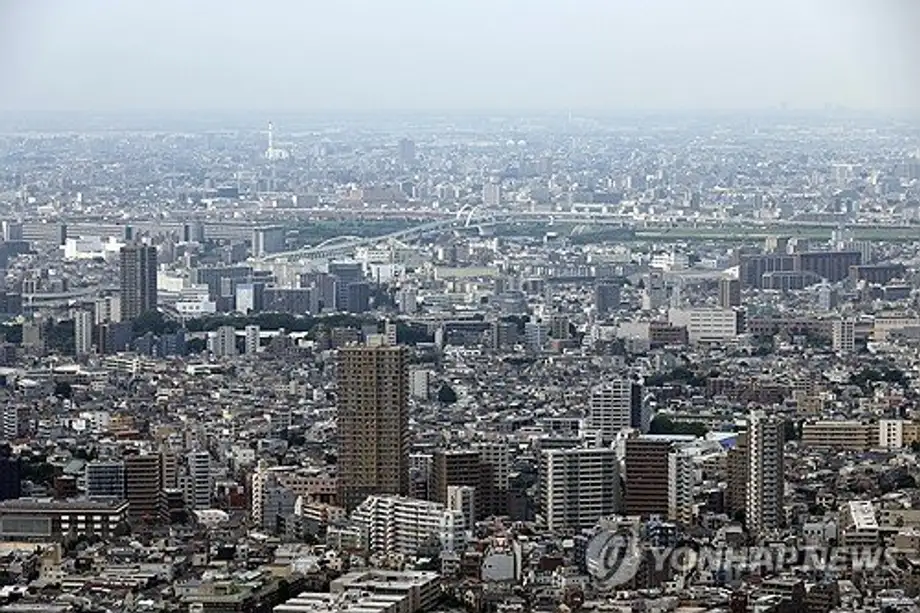
Record Visitor Spending Pushes Property Demand Beyond Major Cities
Japan's average land prices rose 2.7% in the year to January 1, 2025, the fastest increase since 1991 and the fourth consecutive annual gain, as record numbers of foreign visitors increased demand for hotels, shops and places to stay. The rise is spreading beyond major cities into regional towns and some rural areas, bringing investment to tourist destinations while adding pressure on residents and businesses that need affordable property.
Contents
- Record Visitor Spending Pushes Property Demand Beyond Major Cities
- How Visitors Turn Into Demand for Land
- Hakuba, Furano and Historic Districts See Sharp Increases
- Osaka's Expo Adds Transport and Development Pressure
- Ginza Sets a Record While Commuter Cities Gain
- Regional Growth Meets Industry, Depopulation and Disaster
- What the Boom Changes for Residents and Businesses
- Construction Costs and Interest Rates Could Slow Demand
- The Dates Behind the Price Rise
- Key Points
The Ministry of Land, Infrastructure, Transport and Tourism's figures show a country whose property market is being pulled in several directions. Tourism and urban redevelopment are lifting prices in popular locations. Semiconductor investment is creating another source of demand. Population decline, limited business activity and natural disasters continue to weigh on places outside those growth areas.
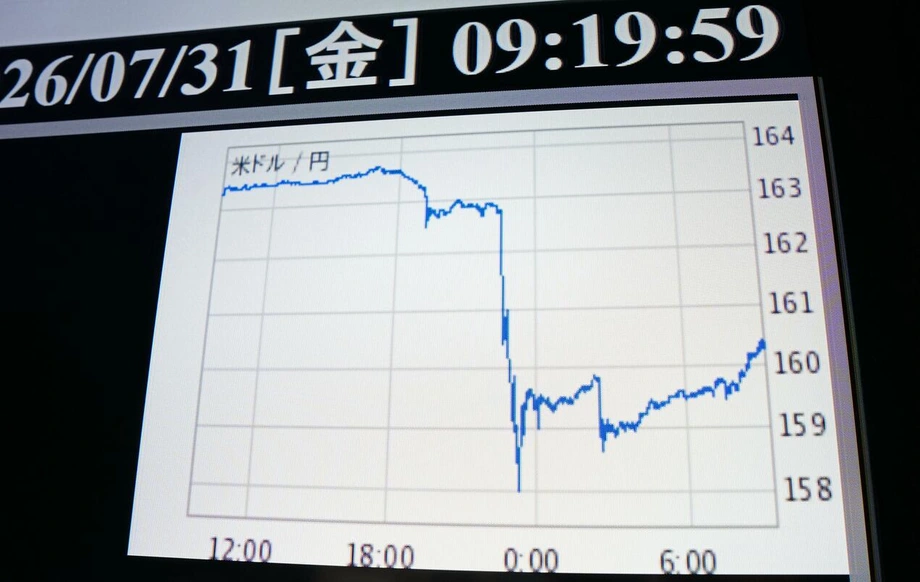
Japan welcomed an estimated 36.87 million international visitors in 2024, the highest total since records began in 1964. Their spending exceeded ¥8.1 trillion, about $53 billion. A weak yen helped make Japanese accommodation, shopping and experiences more affordable for many visitors paying with foreign currencies.
Hakuba, a ski resort village in Nagano Prefecture, recorded a land price increase of 32.4%, while Furano in Hokkaido registered a 30.2% rise. Those increases show how strongly tourism can affect property demand far from the country's biggest business centres.
By July 2, 2025, the Osaka-Kansai Expo was also adding to the momentum. Investment around its venue on the artificial island of Yumeshima had already lifted nearby land values before the event opened, and hotel operators subsequently reported higher room rates.
The economic gains are substantial, but their distribution is uneven. Tourism is helping inns survive and attracting developers to regional destinations. Rising accommodation costs and crowded transport are also making daily life and domestic travel more difficult for some Japanese residents.
How Visitors Turn Into Demand for Land
Foreign visitors need rooms, meals, transport and places to shop. When more businesses want to serve them in the same location, demand grows for the land beneath hotels, restaurants and retail premises. Residential land can also become more valuable in areas attracting accommodation investment and related services.
Japan's latest increase reflects that connection between visitor spending and property demand. The effect is especially strong around established attractions, where businesses want access to the streets and neighbourhoods tourists already visit.
Fumiko Watanabe, a researcher at the NLI Research Institute, expects destinations popular with international travellers to remain among the strongest performers. She said:
Areas popular among inbound tourists are expected to continue seeing the highest land price increases, as the number of visitors to Japan continues reaching record highs.
The weak yen is one reason for that demand. Visitors exchanging foreign money can find Japan more affordable, encouraging spending on accommodation, food, shopping and experiences. That spending supports businesses, which can then seek more space or compete for well located properties.
Japan's appeal also extends beyond exchange rates. Traditional culture, modern attractions and natural scenery draw visitors with different interests. Investments in transport, accommodation and tourist facilities have made it easier to reach destinations outside the main urban centres, including more remote regions.
Festivals, cuisine and travel experiences shared through social media bring further attention to individual places. Government efforts to ease visa requirements and promote tourism are expected to help sustain international arrivals. Together, those factors are widening the number of communities exposed to tourism demand.
Hakuba, Furano and Historic Districts See Sharp Increases
Hakuba's 32.4% increase was described as the highest nationwide in the tourism locations highlighted by the land price figures. Furano followed with a 30.2% rise, reflecting strong interest in another destination popular with foreign visitors.
Tokyo's Asakusa district recorded a 29% increase, while Takayama in Gifu Prefecture saw a rise of 28.3%. Asakusa draws visitors to historic temples and busy shopping streets. Takayama attracts travellers with its preserved old town and traditional culture.
Kaminarimon-dori in Asakusa recorded the capital's highest land price increase. The district's appeal includes the Sanja Festival and Nakamise-dori shopping street, which bring visitors into an area where shops, restaurants and accommodation businesses compete for space.
Investors and developers are following that visitor demand. Their interest adds another layer of competition for properties in destinations where the most desirable streets have little vacant space.
Takayama offers a concrete example. Properties along its main tourist streets are almost fully occupied, and available shops or inns are quickly bought. For existing businesses, that demand can mean fuller booking calendars and a stronger chance of remaining open.
Tsunetada Minami, manager of the historic Sumiyoshi Ryokan inn, described the importance of international guests to the business:
We're almost fully booked until September. International travelers are essential for the survival of our business.
Minami's account connects the rise in land values to the experience of a local accommodation operator. Visitors provide income that helps sustain an established inn, while their growing numbers also make nearby property more attractive to buyers seeking to serve the same market.
Osaka's Expo Adds Transport and Development Pressure
The 2025 Osaka-Kansai Expo is another force behind rising property demand. Its venue on Yumeshima, an artificial island, has drawn attention to surrounding districts and transport connections, encouraging investment and speculation about future development.
Before the Expo opened, land prices around Yumeshima Station on the Osaka Metro Chuo Line rose 18.2%. Near Bentencho Station, prices increased 11%. Those gains show how an event can affect property interest beyond the site where it takes place.
Large development opportunities have attracted particular attention. Proposals for the former site of a municipal high school near Bentencho drew interest from developers looking at the area's proximity to Yumeshima.
A city official, discussing developer interest in that location, said:
There is a lot of interest in the area, as it's close to Yumeshima.
Osaka hotel operators reported that average room rates had risen 30% compared with a year earlier since the Expo opened. They also described an increase in guests from Europe and the United States, alongside visitors from Asia.
The Expo is therefore affecting both expectations about land and the income businesses can earn from visitors. It is also acting as an advertisement for Osaka, bringing the city to a wider international audience and strengthening its appeal as a destination.
The timing matters when reading the figures. The nationwide land valuation date was January 1, 2025. The increases around Yumeshima and Bentencho reflected investment interest before the Expo opened, while the hotel operators' accounts describe trading conditions after opening.
Ginza Sets a Record While Commuter Cities Gain
Tokyo remains Japan's leader in absolute land values. Ginza Chuo Street, in the capital's luxury shopping district, has held the position of the country's most expensive land for 40 consecutive years.
Its 2025 price reached a record ¥48.08 million per square metre, about $333,600, an increase of 8.7% from the previous year. Domestic shoppers, international visitors and the district's enduring commercial appeal all contribute to demand.
Ginza's position illustrates the difference between the highest price and the fastest growth. Its land costs far more per square metre than property in many other places, while destinations such as Hakuba and Furano recorded much larger percentage increases.
Saitama City and Chiba City, both within commuting distance of Tokyo, also posted strong gains. Land prices rose 11.9% in Saitama and 11.2% in Chiba, supported by convenient transport connections and continuing development projects.
Fukuoka recorded a 6.0% increase and Okinawa a 6.3% rise, with popular resort areas contributing to their appeal. The range of locations gaining value shows that the market is responding to several kinds of demand, from tourism and shopping to commuting and redevelopment.
Regional Growth Meets Industry, Depopulation and Disaster
More than half of surveyed rural areas recorded land price increases, a pattern not seen in more than 30 years. The spread of growth into some regional and rural communities recalls the geographical reach of rising prices during the early 1990s asset bubble era.
Tourism is part of that change, but new industries are also drawing investment. Chitose in Hokkaido, home to a growing semiconductor industry, recorded a 48.8% increase in commercial land prices. Semiconductors are the chips used in electronic equipment, and manufacturing investment can bring demand for business premises and related services.
Chitose's commercial land figure also shows why the national picture needs more than a single ranking. Hakuba's 32.4% rise was highlighted as the strongest nationwide increase among the tourist locations discussed, while the commercial land measure for Chitose was higher at 48.8%.
Communities with falling populations and limited commercial activity continue to experience declining land values. A tourism boom elsewhere offers little immediate support to a place where fewer people need homes or where businesses have limited reasons to expand.
Wajima in Ishikawa Prefecture suffered the country's sharpest decline, with land prices falling 16.7% after a major earthquake and subsequent fires devastated the city. Its experience places disaster damage alongside depopulation as a powerful influence on local property markets.
Japan's 2.7% national average therefore brings together very different local conditions. Some destinations are attracting visitors and investment at speed. Others face the task of rebuilding or maintaining economic activity as their populations shrink.
What the Boom Changes for Residents and Businesses
Tourism spending is supporting local jobs, generating tax revenue and giving businesses more customers. New hotels, restaurants and shops create work for construction companies and the property sector, while visitors' purchases support the wider service industry.
Takayama's busy inns show the value of that demand for existing operators. Investment in accommodation and tourist facilities can also help communities welcome visitors who might previously have stayed only in larger cities.
Kyoto and Mount Fuji illustrate the pressures that come with heavy visitor numbers. Overcrowding strains infrastructure and can make public transport harder for residents to use. Popular areas can become less comfortable for the people who live there even while tourism brings income.
Higher hotel rates create another concrete cost. As accommodation businesses respond to foreign demand, ordinary Japanese travellers can find it harder to afford trips within their own country. Rising land values also increase the pressure on people and businesses seeking property in popular destinations.
Property damage and cultural friction have added to calls for stronger legal frameworks and better visitor management. The government's ambition to increase tourist numbers and spending by 2030 makes those concerns part of the same policy challenge as encouraging growth.
Local authorities and national policymakers face practical choices about infrastructure investment, the movement of visitors and support for communities experiencing rapid change. The goal is to preserve the income tourism brings while protecting residents' access to transport, services and the places around their homes.
Construction Costs and Interest Rates Could Slow Demand
Rising land prices arrive alongside higher construction costs. A buyer considering a home or a developer planning accommodation must account for both the purchase of the site and the cost of building on it.
Potentially higher interest rates add another concern. Interest is the cost of borrowing money, so a rise can increase the expense of financing a property purchase. More expensive construction and borrowing can reduce the number of people able or willing to buy.
Yoshida Tasuku, a researcher at the NLI Research Institute, warned about the effect on housing demand:
These factors may discourage people from buying homes, which would have a negative impact on land prices.
Japan's ageing and declining population creates a longer term challenge as well. Some regions may struggle to maintain economic activity once an initial increase in tourism or investment slows. Continued growth in visitor numbers is an expectation, while the strength of future property demand in each location remains uncertain.
The Dates Behind the Price Rise
The figures describe different stages of the same expansion. Visitor totals and spending refer to 2024, nationwide land values were assessed at the start of 2025, and Osaka hotel operators described conditions after the Expo opened.
- 2024: Japan welcomed an estimated 36.87 million international visitors, who spent more than ¥8.1 trillion.
- January 1, 2025: Average nationwide land prices were up 2.7%, their fourth consecutive annual increase and the fastest since 1991.
- Before the 2025 Osaka-Kansai Expo opened: Land prices rose 18.2% around Yumeshima Station and 11% near Bentencho Station.
- By July 2, 2025: Osaka hotel operators reported room rates up 30% compared with a year earlier since the Expo opened.
- September 2025: Sumiyoshi Ryokan's manager said the inn was almost fully booked until this month.
- 2030: The government aims to increase tourist numbers and spending further.
Japan's immediate challenge is to manage growth that is already changing business conditions and local property markets. Tourism, redevelopment and industrial investment are bringing opportunities, while household budgets, crowded destinations and struggling regions require attention at the same time.
Key Points
- Average land prices rose 2.7% as of January 1, 2025, the fastest pace since 1991.
- Japan received a record 36.87 million international visitors in 2024, with spending above ¥8.1 trillion.
- Hakuba, Furano, Asakusa and Takayama recorded land price increases ranging from 28.3% to 32.4%.
- Osaka's Expo encouraged property investment before opening, while hotel operators later reported room rates up 30%.
- Ginza Chuo Street reached ¥48.08 million per square metre and remained Japan's most expensive land for a 40th consecutive year.
- Chitose's commercial land prices rose 48.8%, while disaster damage helped drive a 16.7% decline in Wajima.
- Tourism supports businesses and jobs but also brings crowded transport, higher travel costs and pressure on residents.
- Construction costs, possible interest rate increases and population decline could weaken future property demand.