Stalled Drilling Site Faces Urgent Attention in Dailekh
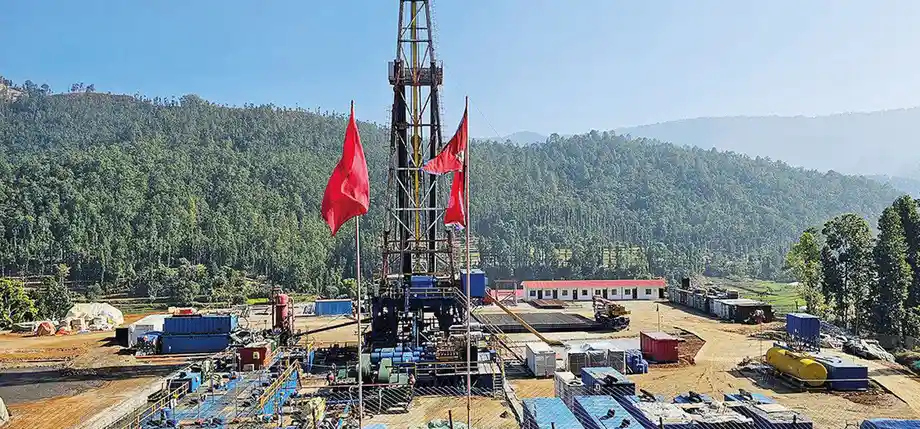
Rabi Lamichhane, the chair of the Rastriya Swatantra Party (RSP), has pledged to make the extraction of petroleum and methane gas at Jaljale a top priority for the government. The announcement came on November 29 after Lamichhane visited the drilling site in Dailekh district. He went to the site in the evening after attending a party training programme in Surkhet. The visit was aimed at assessing the condition of the equipment left at the site. Lamichhane expressed concern that sensitive machinery, worth tens of millions of rupees, had begun to rust. This rusting has happened while testing work remained stalled for the past year. The drilling had reached a depth of 4,013 metres two years ago, but the work stopped there. The delay has raised questions about the future of the project, which is seen as a national pride initiative.
Contents
This was my first visit to the site, and I have seen its condition firsthand. Production is certainly necessary, but protecting the expensive equipment immediately is equally important. We need to understand where and why the technical work has stalled.
Lamichhane stated that the government will consult with relevant ministries and experts to move forward. He wants to resume the long delayed well testing and start the commercial production process. He described the project as a foundation for the prosperity the country seeks. The project was initiated under an agreement between Nepal and China. In February 2020, the land acquisition was completed. The acquisition covered 45 ropanis of land under a detailed exploration agreement. Lamichhane said these national pride projects form the foundation of the promises made to the public. He promised that concrete action would follow a detailed assessment.
Confirmed Reserves Could Power Nation for Decades
One of the most critical findings from the visit is the confirmation of the gas reserves. Laboratory tests have verified that the Jaljale deposit contains 80.7 billion cubic metres of natural methane gas. This is a significant amount for a country like Nepal. The reserve is estimated to be enough to meet the nation demand for approximately 50 to 60 years. This long duration makes the project highly valuable for national energy security. The potential supply duration reduces the need for frequent imports of cooking gas and fuel in the long run.
The exact location of the deposit is in Ward No. 1 of Bhairabi Rural Municipality. The site is known as Jaljale. The precise location details were confirmed during the visit. The land was acquired in Falgun 2076 BS, which corresponds to early 2020. This timeline aligns with the broader timeline of the project development. The project has been in preparation for over five years. The delay in starting production has left the equipment exposed to the elements. Rust is a common issue for steel machinery left in humid conditions. The government must act quickly to protect the investment.
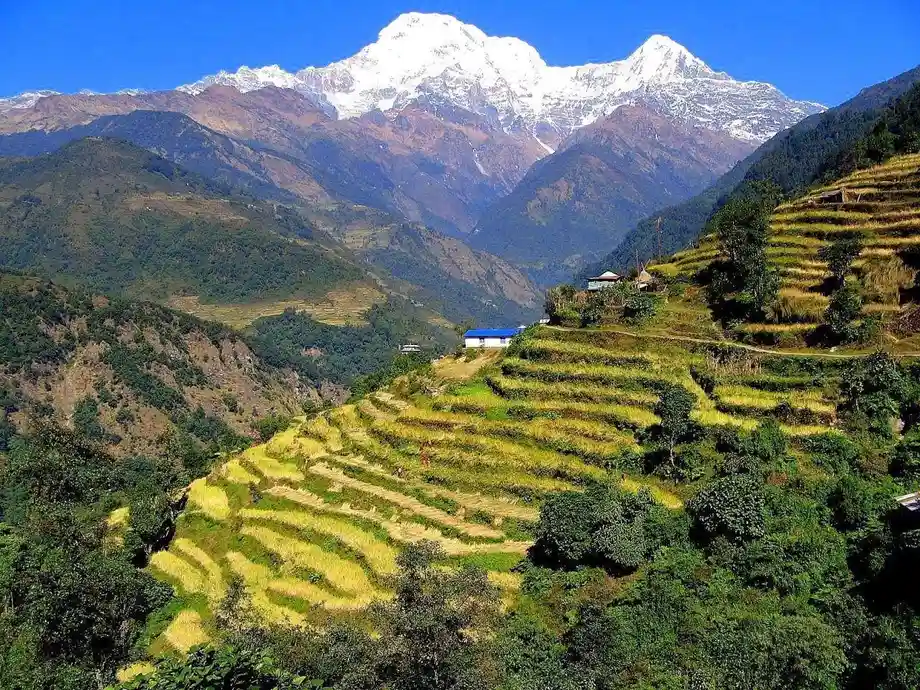
The project is located in Karnali Province. Lamichhane said the project could transform the region. Karnali has been seeking development opportunities. A gas field in the province would bring economic activity and infrastructure improvements. The people of Karnali are expected to receive positive news soon. The government will continue working to complete the extraction process. A detailed assessment will be carried out before the next phase begins. The assessment will likely cover the technical readiness of the wells and the cost of reopening the site.
Government Pushes for Legal Reforms to Boost Investment
While the focus is on Dailekh, the government is also making broader changes to support such projects. The government has amended nine laws through an ordinance to attract investors, addressing long-standing complaints that existing laws hinder the creation of an investment-friendly environment. The ordinance, set to come into effect after the President's approval, includes amendments to the Lands Act of 2021 BS, National Parks and Wildlife Conservation Act of 2028 BS, Land Acquisition Act of 2034 BS, Electronic Transactions Act of 2063 BS, Special Financial Act of 2073 BS, and Public Private Partnership and Investment Act of 2075 BS, Foreign Investment and Technology Transfer Act 2075, Forest Act 2076, and Industrial Enterprises Act 2076. Significant changes include easing the execution of projects in forest areas under the National Parks and Wildlife Conservation Act, facilitating foreign exchange payments via the Electronic Transactions Act, and allowing the transfer of used equipment from outside to Special Economic Zones under the Special Economic Zone Act.
Finance Minister Barshaman Pun stated that these amendments aim to build investors' trust, noting, "On the recommendations of the private sector, we have amended the laws through an ordinance to facilitate investment. This will provide a positive message ahead of the upcoming investment summit." The amendments also make it easier for mining in national forests under the Forest Act and support startup enterprises under the Industrial Business Act. Law reform committee chairman Secretary Ek Narayan Aryal recommended these changes for policy, structural, and procedural reforms. While the private sector suggested amending 24 laws, the government has initially focused on these nine. Foreign Minister Shishir Khanal has stated that the government is working on legal amendments to create a favourable environment for industries and businesses. Khanal said the government will announce which laws it plans to amend within a few weeks. The proposed changes will facilitate investment and business operations.
The government expects employment generation and economic prosperity to accelerate once the environment is established. Khanal mentioned that the government is also working to make it easier for non resident Nepalis to exercise their rights. The Ministry of Foreign Affairs has initiated the process of amending some laws. Further legal reforms are being considered. These reforms are important for the Dailekh gas project because they can reduce the time and cost of setting up operations. A clear legal framework helps businesses plan for the future.
The government is also looking at other infrastructure projects. Khanal clarified that the road standards for the Tokha Chhahare road and tunnel have not changed. The tunnel entry and exit points are still being determined. A pre feasibility study is underway. This shows that the government is paying attention to both large national projects and local infrastructure. The focus on legal and regulatory reforms is seen as a way to support all industrial growth. The government wants to create an environment conducive to business.
Timeline of the Dailekh Project Development
The progress of the Dailekh gas project has a clear timeline. The following dates mark the key steps in the project history:
- February 2020: Land acquisition for 45 ropanis is completed under the detailed exploration agreement.
- 2022: Drilling reaches a depth of 4,013 metres. The site is considered ready for testing.
- November 29, 2024: Rabi Lamichhane visits the site and announces the push for commercial production.
The gap between the drilling completion and the current visit highlights the delay. The site has been idle for a significant period. The rusting of equipment is a visible sign of this delay. The government wants to close this gap. The consultation with ministries will determine the next steps. The experts will assess the technical work that stalled. Understanding the cause of the delay is essential. It could be due to funding, technical issues, or administrative bottlenecks. The government will address these issues to move forward.
Broader Energy Strategy and Regional Context
The Dailekh project is part of a larger energy strategy for Nepal. The country relies on cooking gas for daily needs. The current supply chain involves road transport from India. This creates risks during disruptions. The government is exploring other options to secure the energy supply. The Dailekh gas field offers a domestic source. This reduces the dependence on imports. The 80.7 billion cubic metres reserve is a substantial asset.
Regional cooperation is also a factor. The project was initiated under an agreement with China. This partnership has supported the technical aspects of the project. The government may seek further cooperation from Chinese companies for the extraction process. The RSP party has been active in promoting such ties. A delegation of 20 lawmakers from the RSP visited China recently, with discussions focusing on technology and business opportunities. These discussions can benefit the Dailekh project. The political support for the project is strong. The RSP views the project as a national pride initiative.
The transformation of Karnali Province is a key goal. The province has seen limited development compared to other regions. A gas field can bring jobs and infrastructure. The government wants to show concrete results to the public. The detailed assessment will be the next step. It will provide a clear path for the project. The people of Karnali are expecting positive news. The government has promised to deliver.
Key Takeaways for the Public
The announcement by Rabi Lamichhane marks a renewed effort to start the Dailekh gas project. The government is focused on protecting the equipment and resuming testing. The confirmed reserves are significant for the country. Legal reforms are also being made to support such projects. The public can expect a detailed assessment to follow. The project is seen as a key part of the national energy strategy.
The Bottom Line
- Rabi Lamichhane visits the Jaljale gas site on November 29 to assess the stalled drilling project.
- Equipment worth millions of rupees is rusting after a year of inactivity at the 4,013 metre deep well.
- Laboratory tests confirm a reserve of 80.7 billion cubic metres of natural methane gas.
- The gas reserve could meet national demand for 50 to 60 years.
- The government plans to consult ministries and experts to resume well testing and commercial production.
- Foreign Minister Shishir Khanal highlights ongoing legal reforms to create an investment friendly environment.
- The project was initiated in February 2020 with the acquisition of 45 ropanis of land.
- The government has amended nine laws through an ordinance to attract investors, including changes to the Lands Act and Special Economic Zone Act.