A New Legal Framework for National Defense
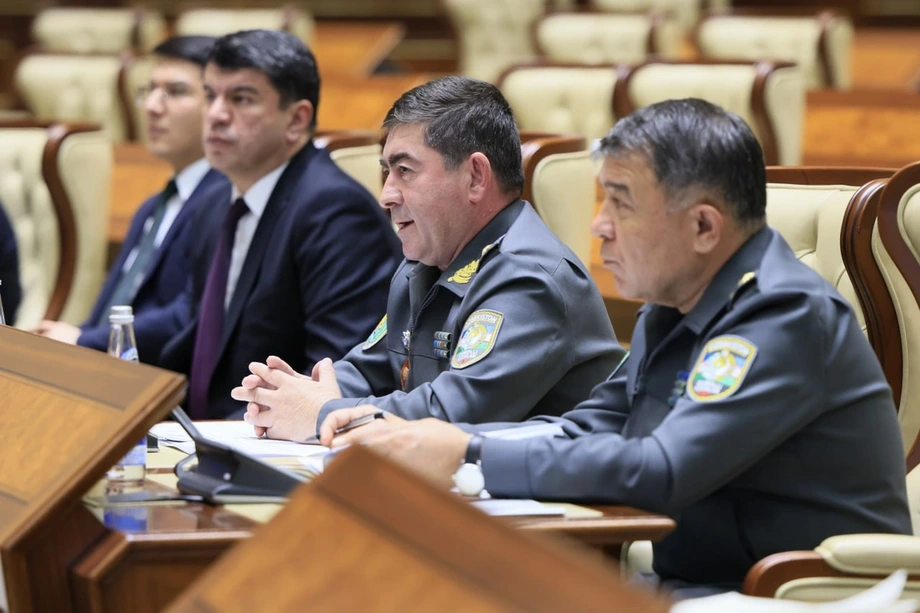
Uzbekistan took a decisive step toward strengthening its national security on November 27 when the Senate of the Oliy Majlis approved the Law on Mobilization Readiness and Mobilization. This legislation represents the country's first standalone legal document dedicated entirely to military mobilization since gaining independence in 1991. The approval by the upper house of parliament resolves long-standing ambiguities in how the state can call citizens into service during times of crisis. The law now moves to President Shavkat Mirziyoyev for final signature, marking a significant evolution in the nation's defense strategy. The legislative process has been thorough, with the law undergoing detailed scrutiny in the Legislative Chamber before reaching the Senate.
Contents
- A New Legal Framework for National Defense
- Financial Guarantees for Soldiers and Their Families
- Utilizing Civilian Assets and Addressing Compensation Gaps
- Scope of Service and Eligibility Criteria
- Presidential Oversight and Parliamentary Timeline
- Strengthening Economic and Social Stability
- Implementation and Future Adjustments
- What to Know
President Mirziyoyev holds the authority to declare either a general or partial mobilization. General mobilization applies to the entire country, while a partial one targets specific regions or sectors. The decision is made via a presidential decree, which must be published promptly. The law sets a clear timeline for parliamentary oversight. The president must table the decree before both houses of parliament within 72 hours, and lawmakers are given another 72 hours to review and approve it. This structure ensures that executive power is balanced by legislative scrutiny, preventing unilateral decisions during critical moments.
Financial Guarantees for Soldiers and Their Families
The law introduces concrete financial protections for those called to active duty, aiming to reduce the economic burden on military personnel. Deputy Defense Minister Hamdam Karshiev explained the payment structure during the Senate session. He stated that a ministerial decree already established that 25 percent of the monetary allowance remains with the service member for personal use. The remaining 75 percent is transferred directly to the soldier's family to support household expenses. While the exact allowance amounts were not specified during the debate, this ratio ensures that families remain financially stable while the breadwinner serves.
Beyond income support, the law provides relief from other financial obligations. Mobilized citizens are exempt from taxes and other mandatory payments for the duration of their service. They also receive a deferment on loan repayments, allowing them to focus on their military duties without the pressure of immediate debt collection. These measures are designed to make military service a viable option for a broader segment of the population, including those with financial commitments. The government aims to maintain economic stability by ensuring that the call-up does not lead to widespread financial hardship for service members' households.
Utilizing Civilian Assets and Addressing Compensation Gaps
One of the most practical aspects of the new law is its provision for the state to use civilian property for military needs. The legislation allows the armed forces to utilize transport vehicles, buildings, special machinery, and other assets owned by individuals and businesses. This is particularly important for logistics and infrastructure support during mobilization. For instance, commercial trucks or specialized equipment can be requisitioned to support military operations. The law clarifies that the state must compensate owners for the use of these assets, but it also highlights a previous gap in the compensation rules.
Senators raised concerns about how lost profits are handled under the current framework. Under the existing government decree from 2015, which determines the order of payments, the state compensates for the market value of property rendered beyond repair but does not account for lost profits. This creates a gap for business owners whose vehicles or equipment are out of commission and unable to generate income during their service. Senator Anvar Tuychiev questioned how the state would evaluate these damages and compensate for the lost income. In response, Deputy Defense Minister Karshiev promised to prepare amendments to the government decree. These changes will likely address the compensation rules for jobs, taxes, and loans, ensuring that business owners are fairly compensated for both the physical use and the economic impact of providing their assets to the military.
The Cabinet of Ministers has been tasked with defining the specific order of compensation for the provided property. This includes establishing clear procedures for claiming damages and calculating lost income. The government aims to create a transparent system that encourages private sector participation in national defense. By addressing the issue of lost profits, the law seeks to build trust between the state and the business community, ensuring that civilian assets are readily available for military use without causing undue financial strain on owners.
The law also mandates that enterprises assigned mobilization tasks must prepare for these duties even during peacetime. This proactive approach ensures that the economy is ready to shift to a wartime footing quickly. The state will build up reserves of food, fuel, and other essential commodities. These reserves can be drawn upon during emergencies, including natural disasters, providing a dual-use benefit. The authorities have been given six months to replace any used reserves, ensuring that the strategic stockpiles remain robust and ready for future needs.
Scope of Service and Eligibility Criteria
The new law defines who can be called up and under what circumstances. Uzbek citizens liable for service may be called from the age of 18 up to the upper age limit for their reserve category. Article 46 of the law explicitly covers women aged 18 to 45 who are not on the military register. Women are included, with exceptions for those who have children under 16. This expansion of eligibility reflects a more inclusive approach to national defense, acknowledging the role of women in supporting the military and the economy.
The Senate will take into account health status, family circumstances, and the presence of dependents when making call-up decisions. Certain categories of citizens are eligible for deferment, although the public summary does not provide a complete list of exemptions. Individuals already serving or in military training will remain on duty until further notice. This flexibility allows the government to tailor the mobilization effort based on the specific needs of the country at any given time. The criteria ensure that those with the greatest family responsibilities or health issues are less likely to be called up, providing a safety net for vulnerable populations.
Presidential Oversight and Parliamentary Timeline
The process for declaring mobilization is streamlined to ensure rapid response. The president's decree is published immediately, and the timeline for parliamentary review is strict. Within three days, the decree is submitted to both houses of parliament. Lawmakers have 72 hours to consider the decree, ensuring that the legislative branch has a say in the decision without causing delays. This timeline is critical in situations where immediate action is required, such as a sudden attack or the fulfillment of international treaty obligations.
The law distinguishes between general and partial mobilization, allowing the president to choose the most appropriate response. General mobilization involves the entire country, while partial mobilization targets specific areas or sectors. This distinction is important for managing the economic impact of mobilization. By limiting the scope to specific areas, the country can maintain normal operations in unaffected regions, reducing the disruption to daily life and the economy. The law also covers the use of wartime stockpiles, allowing authorities to draw on reserves during peacetime emergencies. This provision is particularly useful for natural disasters, which can disrupt the supply of food, fuel, and other essentials.
Strengthening Economic and Social Stability
Beyond the immediate military implications, the law aims to strengthen the country's economic and social stability. The prosecution authorities have been active in restoring the rights of citizens and securing damages. During the reporting year, prosecutors restored the rights of more than 560,000 citizens and recovered UZS 2.3 trillion (approximately $181 million) in damages. This focus on legal oversight supports the broader goal of the mobilization law, which is to create a stable environment for both military and civilian activities.
The law also addresses the needs of entrepreneurs and investors. During the reporting period, authorities provided practical assistance to 30,267 entrepreneurs and foreign investors, helping to uphold the rule of law and protect their rights. This support is crucial for maintaining business confidence during times of potential mobilization. The government aims to prevent legal uncertainties from deterring investment and disrupting economic growth. By clarifying the rules for asset use and compensation, the law provides a predictable environment for businesses.
The Senate has also called for the use of artificial intelligence to analyze and forecast crime risks and develop crime-risk maps. This technological integration supports the overall security framework, allowing for more proactive management of social stability. The combination of legal clarity, financial support, and technological innovation creates a robust foundation for national defense. The law is not just a response to potential threats but a proactive measure to preserve peace and ensure the stability of the country.
Implementation and Future Adjustments
The law will come into effect one year after its official publication. This implementation period allows the Ministry of Defense to prepare more than ten subordinate acts that will detail the operational aspects of the law. These acts will cover everything from the registration of mobilization reserves to the specific procedures for compensating business owners. The government has a clear timeline to address the issues raised by senators, particularly regarding lost profits and the use of civilian assets.
Senator Uktamjon Akhunov emphasized the importance of building up emergency stocks to protect the population from natural disasters. He noted that the timing of such events can be unpredictable, making it essential to have robust reserves in place. The ability to use wartime stockpiles for peacetime emergencies adds a layer of resilience to the country's infrastructure. This dual-use capability ensures that the investments in national defense also contribute to the well-being of the population during daily life.
The approval of the law by the Senate marks the beginning of a new era in Uzbekistan's approach to national security. By providing clear guidelines for mobilization, compensation, and parliamentary oversight, the law ensures that the country is prepared for any challenge. The active involvement of senators, the promises of the defense ministry, and the structured implementation plan all point to a comprehensive and effective legal framework. The law stands as a testament to the country's commitment to stability, security, and the well-being of its citizens.
What to Know
- The Senate approved the first standalone mobilization law on November 27, 2026.
- President Shavkat Mirziyoyev can declare general or partial mobilization via decree.
- 75 percent of service members' allowances go to their families, with tax exemptions.
- Civilian property can be used by the military, with plans to amend compensation rules.
- The law takes effect one year after publication, giving time for detailed regulations.
- Women aged 18 to 45 are eligible for call-up, with exemptions for mothers of young children.
- State reserves can be used for natural disasters, with a six-month replacement deadline.