How Audiences Decide What to Watch
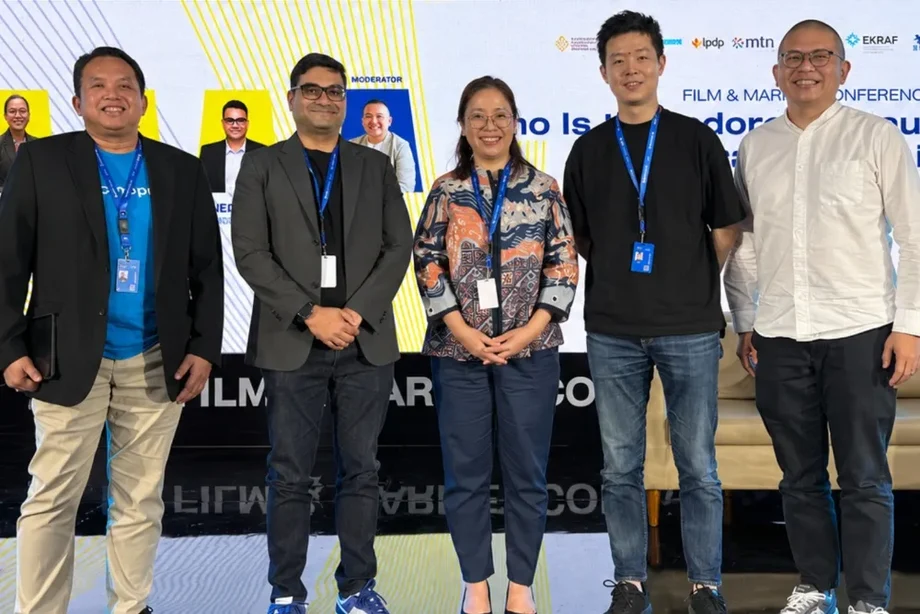
The way Indonesian audiences choose films has shifted away from film critics and toward social media, with TikTok emerging as the primary spark for viewing decisions. A survey of 1,300 viewers conducted by Populix revealed that 56% of respondents say TikTok is where their urge to watch starts. This influence rises to 71% among the 18 to 24 age group. Critics remain a secondary influence, triggering just 4% of viewing choices. The survey, presented at the Jogja-Netpac Asian Film Festival Market in Yogyakarta, shows that audiences no longer fit neatly into single categories. Instead, they move between cinemas and streaming platforms based on the occasion. Some 81% of respondents have watched the same film both in a cinema and at home.
Contents
Populix research data indicates that 41% of viewers are occasional viewers who used no single channel more than six times in six months. This shift suggests that the market is moving from segmenting people to segmenting occasions. Sandeep Atal, director of revenues at Cinepolis, noted that the cinema sells an outing rather than just a screening. Eighty-two percent of cinema visits involve friends, a partner, or family, while only 24% of paid streaming sessions are shared.
Cinepolis revenue strategy highlights that income and access to cinemas divide viewers more sharply than age or gender. Among respondents earning under IDR2.5 million, only 7% went to the cinema six or more times. In contrast, 32% of those earning more than IDR10 million made that many visits. Price remains a barrier for some. While 94% of cinema users would pay at least IDR40,000 for a ticket, only 52% would go to IDR60,000.
Streaming Platforms Adapt to Local Demographics
Streaming services are adjusting their content strategies to match the specific demographics of Indonesian users. iQIYI, which relaunched its Indonesian service last year, ranks the country among its top five international markets. Bryce Tsao, director of the company's international business department, explained that about half of local users are under 25 and 85% are female. This audience is younger than those in Taiwan and the U.S., where users skew above 35.
iQIYI is starting with long-form drama and microdrama, focusing heavily on romance and love stories. Tsao noted that the genre mix could shift as the user base broadens. The platform streams Chinese and Korean dramas alongside short dramas but is not yet ready to acquire Indonesian films. Meanwhile, broadcaster Trans7 found that Indonesian films aired one to two years after their streaming release still deliver strong ratings. This finding points to significant demand outside major urban centers.
Cinema as a Social Event with Growth Potential
The Indonesian cinema market holds substantial growth potential despite low per capita moviegoing rates. Atal stated that Indonesia sees 0.6 moviegoing trips per person per year, a figure he described as very low for a country of its size. Local films now account for around 60% of admissions, up from 30% to 35% before the COVID pandemic. Atal suggested that 65% represents a more natural level for local content share.
Cinepolis plans to increase frequency through loyalty programs, personalization, and wider programming that includes live sports and concerts. The company is also adding value through new formats. Atal pointed to the Macro XE format, which links seat effects to the film on screen, as working particularly well with local horror films.
Cinepolis is also taking its revenue strategy onto the menu. On Friday, 4 July 2025 it launched six new Nusantara-themed items in collaboration with Chef Devina Hermawan under the theme "Cerita dan Rasa, Kolaborasi Luar Biasa", pairing Western formats with Indonesian flavours and made with halal ingredients. The line-up includes a sei sapi sausage bun, nasi goreng cumi hitam, pangsit chili oil and omurice hamburg steak. At the launch at Cinepolis Senayan Park in Jakarta, Atal said, "Cinepolis is a home for stories. Here, stories live not only on the big screen, but also in every seat, every bite, and every sip. We believe that the cinema experience is not just about the film, but about the whole journey we present." The new menu is available at 56 Cinepolis locations, and Chef Devina said the items could stay on sale for up to a year if demand holds.
Home viewing competes directly with theatrical releases, with 40% of respondents passing on a cinema trip for films they planned to see because they were already at home.
JAFF21 festival lineup features 254 films from 34 countries, running from November 28 to December 5, 2026. The festival opens with the Philippine film Silenced Nights and closes with the Japanese comedy You Are the Film. This broad lineup provides ample content for the shifting audience preferences.
Contention and Price Sensitivity
Piracy is widespread but shallow in Indonesia. Eighty-four percent of respondents have used an unlicensed site in the past six months, yet these sites account for only 14% of viewing occasions. Fifty-seven percent of users consider piracy at odds with their own principles. On the legitimate streaming side, 64% want films at home within a month of release. Eighty-three percent would pay a premium for earlier access.
Vivi Zabkie, Populix research director, emphasized that interest is not the primary problem for Indonesian audiences; access and cost are. Free-to-air television helps close the gap for those priced out of cinemas and streaming. Sigit Prabowo, co-founder of Cinepoint, addressed local filmmakers directly during the session. He urged them to be brave and make strong statements, predicting that the audience would come.
Key Takeaways for the Industry
The convergence of social media influence, occasion-based viewing, and targeted content strategies defines the current landscape. Marketers and distributors are advised to time promotions one to two weeks before launch to capitalize on the surge of interest sparked by TikTok. Platforms focusing on romance and microdramas can capture the dominant female youth demographic. Cinema operators can drive traffic by emphasizing the social nature of screenings and introducing interactive formats.
- TikTok triggers viewing for 56% of Indonesian audiences, surpassing film critics.
- 81% of viewers watch both in cinemas and at home, highlighting occasion-based segmentation.
- Local films hold 60% of cinema admissions, nearing a natural 65% share.
- iQIYI's Indonesian user base is young and female-skewing, driving demand for romance content.
- Income level is a sharper divider of cinema attendance than age or gender.
- Piracy usage is high at 84%, but it accounts for only 14% of total viewing occasions.
The Bottom Line
- Indonesian audiences choose films based on social occasion and social media cues rather than strict channel loyalty.
- Cinemas compete with home streaming by selling social outings, with 82% of visits shared with others.
- Streaming platforms like iQIYI are tailoring content to a young, female majority to drive subscriptions.
- The market has significant room for growth as per capita moviegoing remains low at 0.6 per year.
- Content timing is critical, with one to two weeks before launch identified as the peak promotion window.