A New Record with a Caveat
Foreign direct investment into Vietnam has surged to unprecedented heights, with registered capital reaching 54.85 billion US dollars in the first ten months of 2026. This figure marks a significant leap of 74 percent compared to the same period in 2025 and establishes a new milestone for the country's economic openness. The surge is driven by substantial increases in newly registered capital, which climbed 118.4 percent, as well as significant capital adjustments and share purchase activities by international investors.
Contents
While the headline numbers are impressive, the critical question for Vietnam is not just how much money is entering the country, but how effectively that capital is being absorbed and converted into tangible economic growth. The disparity between the rapid growth in registered capital and the more modest 13.1 percent increase in disbursed capital, which stood at 24.08 billion US dollars, highlights a central challenge for policymakers and investors alike.
The government and business leaders emphasize that the quality of investment matters as much as the quantity. The focus is shifting toward attracting high-tech, green, and strategic projects that can drive productivity and integrate deeply into global supply chains, rather than simply seeking volume. This strategic pivot is crucial as Vietnam aims to achieve a two-digit GDP growth target for the coming years.
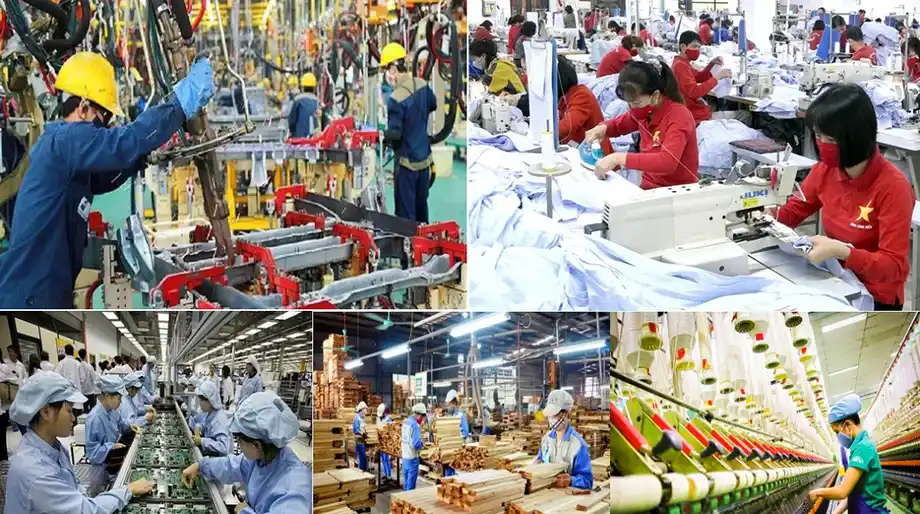
The influx of foreign capital is visibly reshaping Vietnam's industrial landscape, particularly in electronics and manufacturing. Major multinational corporations are expanding their footprint, responding to Vietnam's role as a reliable manufacturing hub in Asia. This expansion is supported by improving infrastructure and a more favorable regulatory environment, which together are designed to turn investment momentum into sustained economic strength.
As Vietnam moves toward 2027, the ability to manage the complexities of this investment boom will determine the long-term health of its economy. The country is leveraging its strategic location and improving policy frameworks to ensure that the current wave of investment translates into higher wages, better technology transfer, and resilient industrial clusters.
Surging Capital and Strategic Shifts
The scale of foreign investment entering Vietnam is becoming increasingly clear through detailed data from the first ten months of 2026. The total registered capital of 54.85 billion US dollars represents a dramatic acceleration from previous years. In the first ten months of 2019, for context, registered capital stood at 29.11 billion US dollars, making the current figures historic.
A significant portion of this growth comes from adjustments to existing projects rather than just new entries. The capital from project adjustments increased by 33.2 percent, indicating that international investors are not only starting new ventures in Vietnam but are also significantly scaling up their current operations. This trend suggests a high level of confidence in the country's business environment among existing partners.
The sectors attracting the most attention are manufacturing, electricity, and digital infrastructure. The manufacturing and processing industry continues to lead, drawing over 10 billion US dollars in new capital. This sector is heavily concentrated in electronics, with global giants expanding their production lines. The growth in capital contributions and share purchases, which rose by nearly 90 percent, further underscores the dynamic nature of the market.
Singapore and South Korea remain the dominant sources of this capital. Singaporean investors contributed the largest share of new capital, reflecting strong bilateral economic ties and established supply chain networks. South Korea followed closely behind, with significant investments in electronics and industrial parks. Japan also maintains a strong presence, with Japanese enterprises showing plans to expand their operations in Vietnam over the next one to two years.
Geographically, the investment is concentrated in key economic zones. Hanoi, Bac Ninh, and Ho Chi Minh City have emerged as the primary destinations, benefiting from established infrastructure, skilled labor pools, and proactive local government support. These regions are actively aligning their policies to attract high-value projects in semiconductors, digital services, and green energy.
The Absorption Challenge and Infrastructure
The gap between registered capital and disbursed capital presents a clear challenge. While 54.85 billion US dollars have been pledged or registered, the actual disbursement of 24.08 billion US dollars shows that a significant amount of capital remains in the pipeline. The pace of disbursement is slower than the pace of registration, which means that the full economic impact of this investment will take time to materialize.
Infrastructure is at the heart of this absorption process. Investors, particularly in the high-tech and manufacturing sectors, are looking for stable electricity supplies, reliable logistics, and available industrial land. The development of electricity infrastructure under the Power Development Master Plan VIII is closely monitored by foreign investors, as power stability is critical for continuous production in semiconductor and electronics manufacturing.
Land clearance and administrative procedures also play a vital role in speeding up disbursement. Local governments have been working to streamline processes, reducing the time it takes for projects to move from approval to construction. This focus on removing bottlenecks is expected to accelerate the pace at which registered capital becomes active investment in physical assets.
The quality of investment is also being prioritized. The government is encouraging foreign investors to transfer technology and integrate with domestic suppliers. New mechanisms in the amended Investment Law, which takes effect in March 2027, aim to make market access more flexible while ensuring that foreign investments contribute to the long-term development of the Vietnamese economy.
Financial market reforms are another piece of the puzzle. The economy requires long-term funding to support infrastructure and industrial expansion, but there is a heavy reliance on short-term bank credit. Efforts are underway to develop bond markets and equity markets to provide more suitable financing options for long-term projects.
Global Confidence and Regional Competition
Despite global economic uncertainties and intense competition from neighboring countries, Vietnam has maintained a strong appeal to international investors. Surveys indicate that a majority of Japanese and European businesses operating in Vietnam plan to expand their operations in the near future. This confidence is built on Vietnam's track record of stable growth and improving business conditions.
The region's competitive landscape is evolving. While Vietnam faces pressure from countries with lower labor costs, it is differentiating itself through higher productivity, better infrastructure, and a more skilled workforce. The country has successfully moved up the value chain, exporting not just simple garments but also complex electronics and computer components.
Trade agreements are a key enabler of this competitiveness. Vietnam's network of free trade agreements provides its exports with duty-free access to major markets, including the European Union. This preferential access helps Vietnamese goods remain competitive, encouraging more foreign direct investment to serve as an export platform.
Regulatory certainty is also a major factor. The Vietnamese government has shown a willingness to update policies to meet investor needs, such as easing market access conditions for strategic sectors. This agility allows Vietnam to respond quickly to investment opportunities, preventing delays that might cause investors to look elsewhere.
The financial sector is also adapting to the influx of capital. Banks are increasingly looking to international financial institutions to fund long-term projects, and the development of green finance is gaining momentum. These financial innovations are helping to channel foreign capital into sustainable and high-impact areas of the economy.
Looking Ahead to 2027
The outlook for Vietnam in 2027 is positive, with forecasts suggesting real GDP growth could reach between 8.2 percent and 9.5 percent. This growth will be driven by continued investment, rising domestic consumption, and expanding manufacturing output.
Key areas of focus for the coming year include the expansion of industrial parks, the development of logistics networks, and the growth of e-commerce and tourism. The integration of Vietnamese stocks into global indices is also expected to attract more capital from international fund managers.
The government's strategy is to maintain momentum while ensuring that investment is high-quality and sustainable. This includes a focus on digital transformation, green energy, and the development of a skilled workforce to support advanced manufacturing. The successful absorption of the current wave of foreign direct investment will set the foundation for Vietnam's long-term economic prosperity.
The Bottom Line
- Registered FDI reached a record 54.85 billion US dollars in the first ten months of 2026, up 74 percent year-on-year.
- Disbursed FDI stood at 24.08 billion US dollars, highlighting a gap between registration and actual economic activity that infrastructure and policy can address.
- Singapore and South Korea remain the top investors, driving growth in electronics and manufacturing sectors.
- Regulatory reforms, including an amended Investment Law taking effect in March 2027, aim to ease market access and boost investor confidence.
- The economy is shifting focus from pure volume to quality, with an emphasis on technology transfer, green energy, and domestic supply chain integration.