A Shocking Substitution in Christchurch
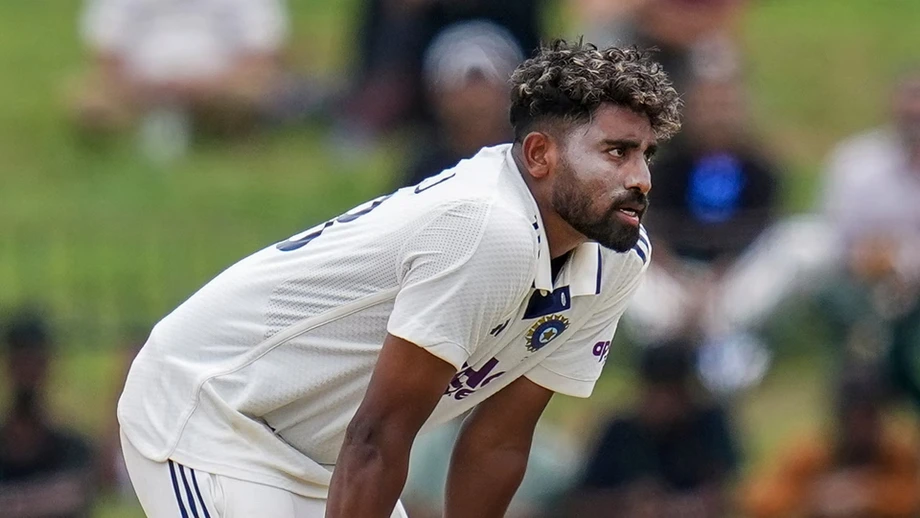
The decision to bring in Prasidh Krishna as a concussion substitute for Akash Deep during the second Test against New Zealand has ignited a fierce debate about India's bowling selection. The controversy extends beyond a single match incident to question the ongoing status of Mohammed Siraj, a leading wicket-taker who remains on the bench. The incident occurred on Day 3 in Christchurch when Akash Deep, who had taken five wickets in the first innings, suffered two blows to his helmet in the 53rd over. The BCCI Medical Team confirmed Deep would not return to the field, prompting the selection of a replacement.
Contents
Prasidh Krishna was chosen over Mohammed Siraj, a move that surprised many fans and pundits. While Krishna had played in the first Test in Wellington, Siraj had not featured in either Test of the current series. The choice raised immediate questions about whether India missed an opportunity to include a player with a proven record, or if the management correctly prioritized current form and match readiness.
The situation highlights a recurring theme in Indian cricket selection: the tension between resting players to keep them fresh and the risk of sidelining key performers. Siraj, despite being India's highest wicket-taker in the ongoing World Test Championship cycle with 43 wickets in 11 matches, has now been overlooked for the second consecutive Test. His omission has become a focal point of criticism, with former captains and commentators weighing in on the logic behind the team management's decision.
How Akash Deep Went Down
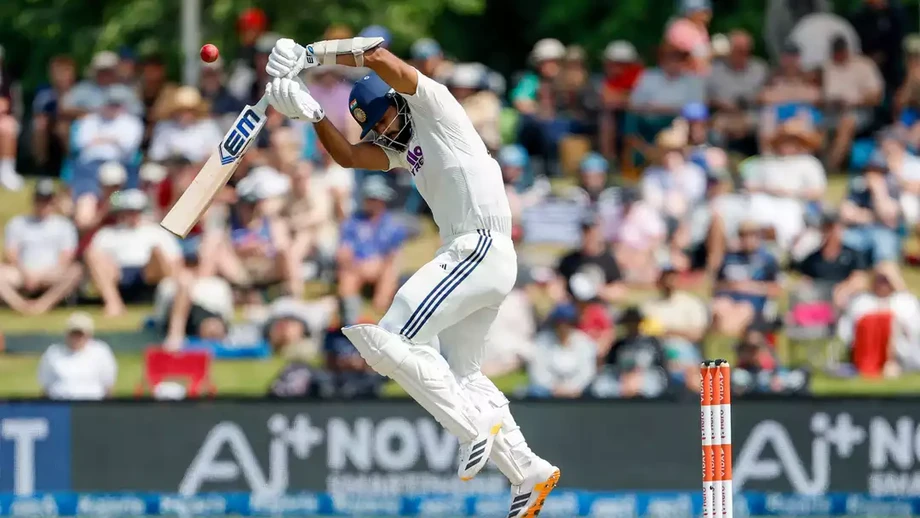
Akash Deep's injury was a pivotal moment in the first innings. He was batting on 11 when he faced two deliveries from Kyle Jamieson in the 53rd over. At 52.1, the first blow came from a top-edge off a short ball that struck his helmet grille. The physio came out to tend to him, and he was cleared to resume after the mandatory concussion test. However, at 52.5, just four deliveries later, he took another hard blow to the helmet near the Indian flag on his gear while attempting to fend off a short ball, taking his eyes off the ball. This second impact triggered a longer concussion test, and a substitute brought a different helmet for Deep.
Despite being rattled, Deep continued to bat with grit. He scored 29 runs off 52 balls, contributing to a crucial 46-run partnership with Dhruv Jurel. Jurel went on to top-score with 88 runs, helping India recover from a precarious 116/7 to post 246 all out. Deep's absence left a gap in the bowling attack, as he had been the standout bowler in the first innings with figures of 5 for 99.
The BCCI confirmed the substitution, stating that Krishna would replace Deep for the remainder of the match. The medical team continued to monitor Deep's condition, but the decision to call upon Krishna was final. The selection of Krishna, rather than the available Siraj, immediately drew attention because it suggested a specific preference for players who had already demonstrated their readiness in the series.
The Case for Prasidh Krishna
Supporters of the selection pointed to Prasidh Krishna's familiarity with the conditions and his match rhythm. Krishna had played in the first Test of the series in Wellington, where he took three wickets across two innings. This prior exposure meant he was acclimatized to the pitch and the weather, potentially giving him an edge over a player who had been sitting on the sidelines.
Ravichandran Ashwin, India's former spinner, weighed in with a pragmatic view. He suggested that bringing in a player who had already played was a sensible move. Ashwin noted on social media that while fresh legs are important, a player who is too fresh might need time to find their rhythm. He argued that Krishna's existing match sharpness made him a reliable choice to maintain the team's momentum.
Cricket commentator Harsha Bhogle offered a contrasting perspective, though he acknowledged the logic. Bhogle questioned why Siraj seemed permanently unselectable, noting that losing Akash Deep was a significant blow given his five-wicket haul. He implied that if a player is deemed unselectable for two Tests, something must be fundamentally wrong with the assessment of their fitness or form. However, he did not outright dismiss the management's choice, leaving the debate open.
Why Siraj's Omission Stings
The most significant aspect of the controversy is the continued snub to Mohammed Siraj. Legend Sunil Gavaskar argued strongly for Siraj during the tea break on Day 3. He pointed out that the New Zealand batters were already familiar with Krishna's lines and lengths. Since they had faced him in the first Test, they knew what to expect. In contrast, Siraj represented a completely new surprise for the opposition.
Gavaskar emphasized that the batting unit prepares for the bowlers they are going to face. If they have not thought about Siraj, he could be a disruptive force. He also noted that if freshness of legs is the criterion, Siraj had even fresher legs than Krishna because he had not played the first match at all. This argument resonated with many fans who felt that Siraj's record deserved more consideration.
Former New Zealand captain Jeremy Coney also expressed surprise at Siraj's absence. He highlighted Siraj's consistency, noting that he gets about four wickets a Test, which is a reasonable output. Coney recalled Siraj's crucial role in India's recent series draw in England, where his bowling was instrumental in securing a victory at The Oval. His omission from the current tour seemed even more puzzling given this recent proven track record.Public Reaction and Management Pressure
Social media reaction leaned heavily against the management's decision. Fans criticized the "too fresh" argument, suggesting that it was used as an excuse to keep young players in the team. One user mocked the logic, asking if two more bowlers suffered concusions, whether less important players would be brought in for water-boy duties. Another user pointed out that no other team benches its best player for two consecutive matches.
The pressure is mounting on head coach Gautam Gambhir and the selection committee. The criticism was not just about this single substitution but about the broader policy of selecting players based on form. Captain Shubman Gill had previously stated that selection comes down to form, which is a valid principle. However, the debate now centers on whether form can be accurately judged when the primary performer is never given the chance to bowl.
Some fans drew parallels to past coaching tenures, joking about a "concussion sub for the coach." The sentiment was that the management's ego or rigid selection policy was causing them to miss out on a valuable asset. The situation serves as a litmus test for how the team balances immediate match readiness with long-term player development.
What the Numbers Say
Stats provide context for the debate. Siraj leads the WTC cycle with 43 wickets in 11 matches. In the series against England, he took 23 wickets in five Tests. Krishna, while talented, has fewer Test five-wicket hauls in his relatively shorter career. The comparison is not just about who has played recently, but who has delivered consistently.
- Siraj WTC Record: 43 wickets in 11 matches
- Siraj England Series: 23 wickets in 5 Tests
- Krishna Wellington Debut: 3 wickets across two innings
The numbers suggest that while Krishna is a capable player, Siraj's impact per match is higher. This statistical backing strengthens Gavaskar's argument that Siraj should have been the preferred choice to maximize the team's bowling potential.
Looking Ahead
The outcome of this Test will depend on how the Indian team manages its remaining pace options. With Jasprit Bumrah leading the attack and Gurnoor Brar having made his debut in the first Test, the management has flexibility. The decision to stick with Krishna for the remainder of the match will be judged by his performance. If he replicates his Wellington efforts, the selection will be vindicated. If the New Zealand batters find him easy, the calls for Siraj's inclusion will grow louder.
Ultimately, the controversy reflects the dynamic nature of Test cricket selection. There is no single right answer, but the manner in which the management communicates its decisions will be crucial. Fans are eager for clarity on whether Siraj's absence is temporary or a sign of a deeper shift in the team's hierarchy.
The Bottom Line
- Akash Deep ruled out with concussion after two helmet blows at 52.1 and 52.5 in the 53rd over.
- Prasidh Krishna named concussion substitute, replacing Deep for the remainder of the match.
- Mohammed Siraj overlooked for the second consecutive Test, sparking debate.
- Sunil Gavaskar argued Siraj offers a fresh surprise to New Zealand batters.
- Ravichandran Ashwin backed Krishna for his match readiness and rhythm.
- Harsha Bhogle questioned Siraj's perceived unselectability in the current setup.
- India holds an 110-run lead in the second Test in Christchurch.