Ohtani reaches a new commercial high
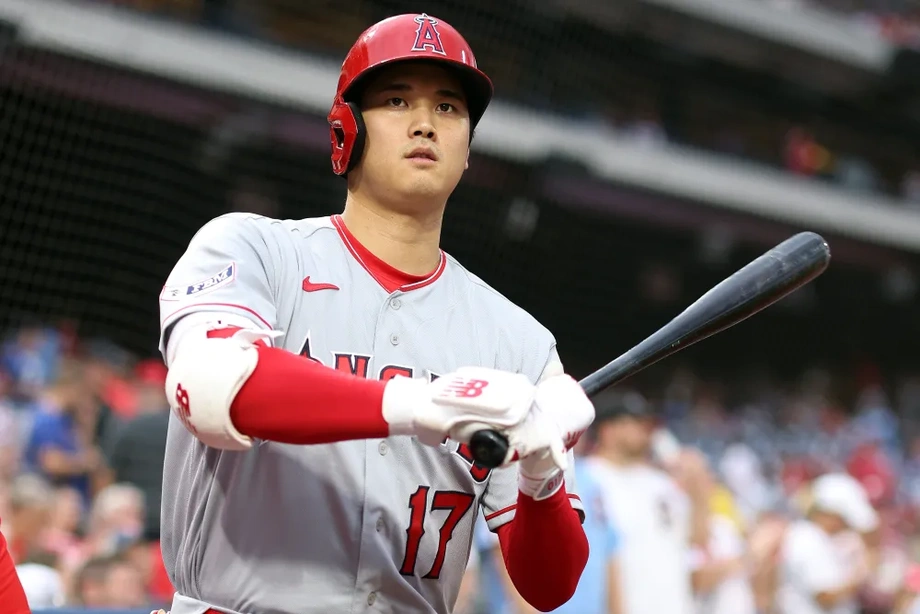
Shohei Ohtani has entered the top three of Japan's best known television advertising rankings for the first time. Video Research placed the Los Angeles Dodgers pitcher, aged 32, level with actress Mio Imada in second place, with 21 companies using each of them in commercials. Actress Haruna Kawaguchi led the advertiser count with 27 companies in the preliminary 2026 rankings for the Kanto region, announced on November 26.
Contents
- Ohtani reaches a new commercial high
- What the two rankings actually count
- Kawaguchi and Imada set the pace
- The complete top 10 for commercial exposure
- Ayase, Ueto and Machida supply the other major movements
- What Ohtani's figures reveal about his reach
- The dates that could still change the tables
- Key Points
Ohtani rose from fourth place in the previous survey. His new position reflects the number of companies using him, rather than the amount of money they paid or the number of individual advertisements they produced. The release did not disclose his advertising income, contract values or his company total for the previous year, so the numerical increase behind his rise from fourth cannot be calculated.
A separate exposure table placed Ohtani sixth with 193,455 seconds across 11,916 broadcasts. That cumulative commercial airtime equals 53 hours, 44 minutes and 15 seconds. Imada led that table with 378,060 seconds from 22,605 broadcasts, while Ohtani's named campaigns included Kowa, food company Nisshin Seifun Welna and Seiko Watch.
What the two rankings actually count
Video Research, a Japanese audience measurement company, uses two measures that answer different questions. The advertiser count shows how many companies selected a performer or public figure. The exposure ranking measures cumulative seconds and also lists the number of commercial broadcasts behind that total.
One advertisement lasting 15 seconds and shown twice would contribute 30 seconds and two broadcasts. It would still represent one company if both placements belonged to the same advertiser. A company can also run several campaigns, meaning that 21 advertisers does not mean 21 commercials or 21 appearances on television.
The survey covers television commercials in Kanto, the region that includes Tokyo. Its figures provide a detailed regional measure of broadcast advertising during the survey period. Campaigns conducted exclusively online, and television activity outside the measured area, fall outside these particular totals.
For viewers, the distinction explains why the same person can rank near the top in one table and lower in the other. A broad collection of sponsors can produce a high company count, while frequent repetition of a smaller collection of campaigns can generate much more airtime.
Kawaguchi and Imada set the pace
Haruna Kawaguchi's 27 companies extended her uninterrupted run at the top of the advertiser count to five years, beginning in 2022. She had 25 companies in the previous survey. The addition of two companies represents an increase of 8 percent and gives her a six company advantage over Ohtani and Imada.
Mio Imada increased her own advertiser count from 20 to 21 while retaining first place in exposure for a second consecutive year. Her campaigns include advertisements for Indeed and J&J. Her 378,060 seconds equal 105 hours and one minute, accumulated through 22,605 broadcasts.
Ohtani's exposure total was about 51 percent of Imada's, even though they had the same number of advertisers. She recorded 184,605 more seconds and 10,689 more broadcasts. Kawaguchi, meanwhile, did not appear in the published top 10 for exposure despite leading the company count. Her result demonstrates that working with the largest group of advertisers can coincide with less cumulative airtime than the most heavily repeated campaigns receive.
The complete top 10 for commercial exposure
Video Research published seconds and broadcast totals for the ten performers with the greatest exposure. The figures show both Imada's substantial lead and an exceptionally close contest around Ohtani's sixth position.
- 1. Mio Imada: 378,060 seconds across 22,605 broadcasts.
- 2. Haruka Ayase: 271,645 seconds across 14,901 broadcasts.
- 3. Aya Ueto: 207,345 seconds across 12,931 broadcasts.
- 4. Ryohei Suzuki: 204,875 seconds across 12,381 broadcasts.
- 5. Satoshi Tsumabuki: 202,515 seconds across 12,430 broadcasts.
- 6. Shohei Ohtani: 193,455 seconds across 11,916 broadcasts.
- 7. Keita Machida: 193,275 seconds across 8,036 broadcasts.
- 8. Ayami Nakajo: 193,170 seconds across 9,924 broadcasts.
- 9. Masahiro Motoki: 179,835 seconds across 10,100 broadcasts.
- 10. Sho Sakurai: 172,620 seconds across 10,106 broadcasts.
Only 180 seconds separated Ohtani from Machida, and just 285 seconds separated Ohtani from Nakajo. The entire gap between sixth and eighth place was therefore four minutes and 45 seconds, despite substantial differences in their broadcast totals.
Imada's advantage over second placed Ayase was 106,415 seconds, or 29 hours, 33 minutes and 35 seconds. Suzuki and Tsumabuki were much closer to Ueto and to each other, with fewer than 5,000 seconds covering third through fifth place.
Ayase, Ueto and Machida supply the other major movements
Haruka Ayase finished second in exposure with campaigns including UNIQLO and Mazda. Her appearance extended a remarkable stretch of consistency: she has remained in the top three for six consecutive years. Her 271,645 seconds came from 14,901 broadcasts, giving her a comfortable hold on second place behind Imada.
Aya Ueto climbed from sixth to third, accumulating 207,345 seconds across 12,931 broadcasts. Her advertisers include Marugame Seimen and SoftBank. The rise placed her ahead of Ryohei Suzuki by 2,470 seconds and gave her a position three places higher than in the previous survey.
Keita Machida produced the largest numerical jump among the disclosed movements, rising from 312th to seventh. His commercials included work for the BOAT RACE Promotion Association and Tokyu Livable. The change covers 305 ranking positions and brought him within three minutes of Ohtani's exposure total.
Machida reached that position with 8,036 broadcasts, which was 3,880 fewer than Ohtani's total. Dividing the published seconds by broadcasts gives an average of roughly 24.1 seconds for each Machida commercial, compared with about 16.2 seconds for Ohtani. These are averages across their campaign mixtures, not fixed lengths for every advertisement, and they help explain why similar exposure totals can come from very different numbers of broadcasts.
What Ohtani's figures reveal about his reach
Ohtani and Imada had equal breadth in the company count, but their campaigns generated different levels of repetition. Ohtani's 193,455 seconds placed him among a tightly packed group in sixth, seventh and eighth, while Imada's total approached twice his figure. His clearest new achievement is therefore his first appearance in the advertiser count's top three, supported by a substantial continuing presence on television.
Kowa, Nisshin Seifun Welna and Seiko Watch provide examples of the companies behind that presence, although the announcement did not provide a company by company breakdown of his 21 advertisers or his seconds. His total commercial airtime amounts to more than two complete days when placed end to end. In practice, it was distributed across thousands of broadcasts during more than ten months.
For Kanto viewers, those figures make the scale of campaign repetition easier to picture. For the other performers, the narrow margins around Ohtani show how a modest number of additional broadcasts could reorder several positions without changing the leading advertiser counts.
The dates that could still change the tables
Video Research's announcement is a preliminary assessment covering January 1 through November 15, 2026. The final 46 days of the year, from November 16 through December 31, remain outside the published totals. New campaigns can add companies, while further broadcasts can change both seconds and positions.
- 2022: Haruna Kawaguchi began her run at the top of the advertiser count.
- January 1, 2026: The measurement period for the new rankings began.
- November 15, 2026: The preliminary survey stopped collecting data.
- November 26, 2026: Video Research announced the preliminary rankings.
- December 31, 2026: The period covered by the definitive rankings ends.
- February 2027: Video Research plans to publish the definitive results.
The final release will cover the period ending December 31. Video Research has not given a precise publication day within February, and Ohtani's final company total, exposure seconds and ranking remain subject to activity during the closing weeks of 2026.
Key Points
- Shohei Ohtani tied Mio Imada for second place with 21 advertisers, reaching the top three for the first time after finishing fourth previously.
- Haruna Kawaguchi led with 27 companies and secured her fifth consecutive advertiser count title, a run that began in 2022.
- Imada topped exposure with 378,060 seconds across 22,605 broadcasts, retaining first place for a second year.
- Ohtani ranked sixth in exposure with 193,455 seconds across 11,916 broadcasts.
- Haruka Ayase finished second in exposure, Aya Ueto rose from sixth to third, and Keita Machida jumped from 312th to seventh.
- The preliminary figures cover Kanto television from January 1 to November 15, 2026.
- Definitive results covering the period through December 31 are scheduled for February 2027.