Kuala Lumpur draws its negotiating line
Malaysia will keep negotiating with Washington until the first quarter of 2027 to try to stop US tariffs on Malaysian goods from rising above 19%, Investment, Trade and Industry Minister Datuk Seri Johari Abdul Ghani said on November 26, 2026. The immediate challenge is a US proposal, issued one day earlier, that placed Malaysia in an indicative range of 18% to 25% under an investigation into excess manufacturing capacity.
Contents
- Kuala Lumpur draws its negotiating line
- Three tariff figures describe different stages
- What Section 301 allows Washington to do
- Steel faces scrutiny while semiconductors stay outside this assessment
- Anwar sends the issue to Friday's Cabinet
- Fourteen trading partners are covered
- Hearings and a court setback shape the US timetable
- The dates businesses need to watch
- What to Know
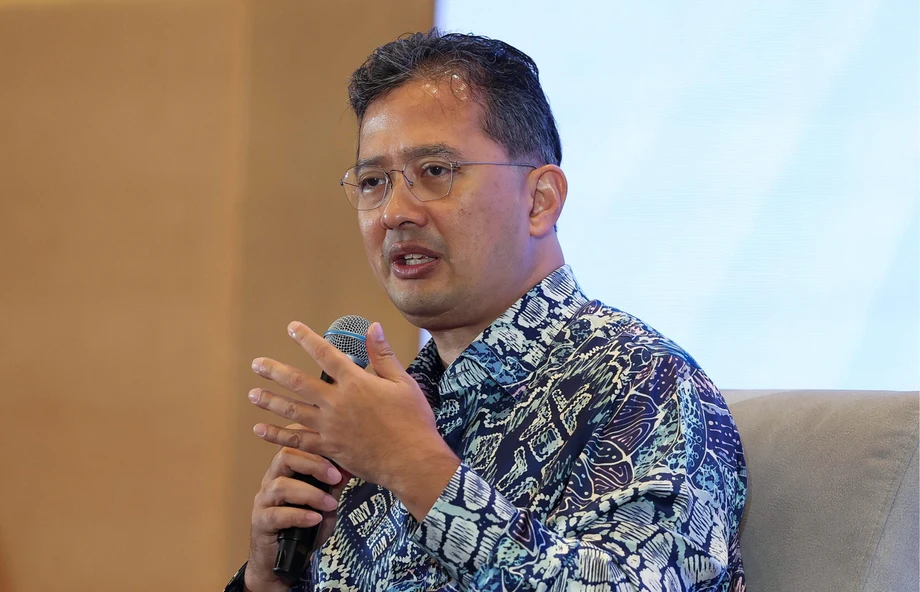
Johari said Malaysia would present its case to the Office of the US Trade Representative (USTR), arguing that additional measures must respect the 19% level agreed under the Agreement on Reciprocal Trade (ART). He spoke after the official commemoration of BYD's local assembly plant in Malaysia, a setting that underlined the importance of manufacturing and exports to the discussion.
The proposed excess capacity duties have not been finalised. For now, the Ministry of Investment, Trade and Industry (MITI) says the only related US tariff actually in force on Malaysian goods is a 10% levy that took effect on July 24, 2026, under a forced labour measure. Malaysia's task is to defend a ceiling while Washington is still deciding how to proceed with further charges.
MITI expects the USTR to announce the final rate in the first quarter of 2027 and has promised updates by then for businesses, investors and other stakeholders. That quarter runs from January through March, but no exact decision date has been announced.
Three tariff figures describe different stages
Nineteen percent is the ceiling Malaysia wants applied to the total charge. The 18% to 25% range is Washington's indicative proposal for Malaysia following its excess capacity findings. Across the 14 economies covered by the investigations, proposed headline rates range from 15% to 35%, showing that Malaysia is part of a much wider action.
Before the November 25 determinations, the proposed additional duty on Malaysian goods was put at up to 18%. That figure referred to the possible extra measure under discussion, while MITI later described the 18% to 25% range as indicative and not final. Separately, the 10% forced labour levy is already being collected.
Under Malaysia's approach, the existing 10% levy would leave 9 percentage points before the total reaches the requested 19% ceiling. Johari said he had made that position clear to the USTR's deputy representative, insisting that every additional measure should be counted within the total.
Speaking to reporters after the BYD event, Johari linked the demand directly to Malaysia's early participation in the trade agreement.
Look, we were the first to sign the ART, and you promised us a 19% tariff rate. We must therefore be able to enjoy that benefit. Whatever additional measures you intend to impose, including the 10% tariff related to forced labour, the total must not exceed 19%.
His argument is that Malaysia should retain the benefit it believes came with signing early. The 19% ceiling remains Malaysia's negotiating objective, with the final US decision expected in early 2027.
What Section 301 allows Washington to do
Section 301 of the US Trade Act of 1974 allows Washington to investigate foreign practices that it says burden or restrict American commerce and to respond with measures such as tariffs. The process can include findings, proposed duties and hearings before a final decision. In Malaysia's case, Washington says industrial policies and manufacturing practices contribute to structural excess capacity and production.
Johari identified four areas being examined under Section 301: excess capacity, forced labour, environmental issues and state subsidies. The forced labour measure has produced the 10% tariff already in effect. Excess capacity measures remain under consideration, while Johari did not announce separate rates or implementation dates for the environmental and subsidy issues.
ART is central to Malaysia's response because Kuala Lumpur says it establishes the 19% rate that should frame any further action. The Section 301 process is now testing how that understanding will be handled when Washington considers additional duties.
Johari said the US had not finalised its position on excess capacity and was still working out how to implement any measure. MITI has consistently maintained that Malaysia does not have excess manufacturing capacity, setting up a direct disagreement over the premise behind the proposed duties.
Steel faces scrutiny while semiconductors stay outside this assessment
Excess capacity means having more factory capacity than demand can reasonably absorb. Washington's concern is structural, meaning it sees the problem as embedded in industrial support and production practices rather than as a brief increase in output. Malaysia rejects the claim that its manufacturing sectors distort or disrupt global markets.
Iron and steel could attract particular scrutiny. Johari said investigators may examine whether production capacity in Malaysia could be used to channel exports through the country. That helps explain why MITI is pairing its denial with a review of goods imported from third countries, aiming to ensure that Malaysia does not contribute to global excess capacity.
The review gives Malaysia a way to address concerns about goods originating elsewhere while continuing to defend its own manufacturers. It also places the movement and origin of steel products near the centre of the coming discussions.
Semiconductors have been excluded from the excess capacity assessment at this stage, according to Johari. That limits the present scope of the proposed action for the chip sector, although his wording leaves the exclusion tied to the current assessment rather than establishing a permanent arrangement.
Anwar sends the issue to Friday's Cabinet
Prime Minister Datuk Seri Anwar Ibrahim said on November 26 that the Cabinet would discuss the proposed tariffs the following day, November 27. He made the comments after launching the National Security Policy 2026-2030 in Kuala Lumpur, confirming that Johari was reviewing the matter.
An official account published by RTM confirmed both the planned Cabinet discussion and Malaysia's intention to continue negotiations until the first quarter of 2027.
Anwar told reporters that the Cabinet meeting was the right place to address the issue.
Jo (Johari) is looking at it. The Cabinet meeting tomorrow is the appropriate platform to discuss it.
Anwar did not announce a retaliatory tariff or a new Malaysian rate at the launch. MITI's position that day remained that the US figures were indicative, that talks would continue and that the final decision was expected in the first quarter of 2027.
Fourteen trading partners are covered
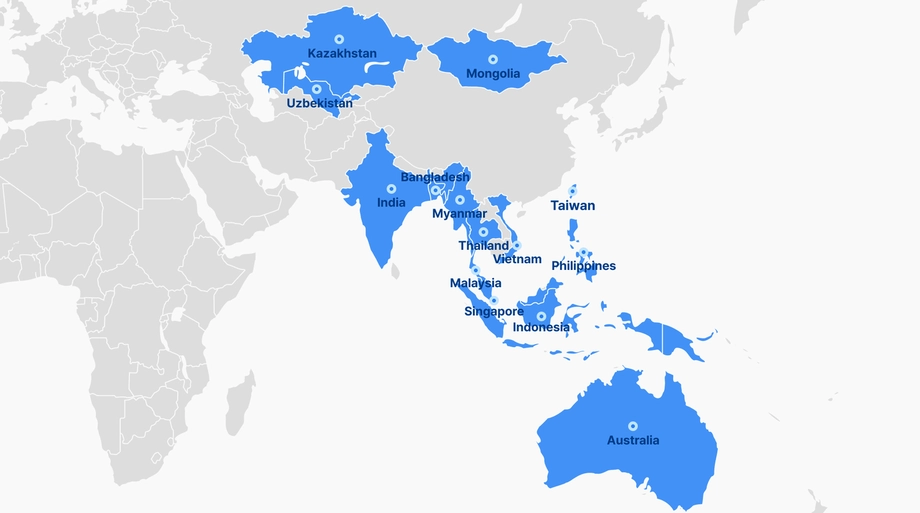
Malaysia is one of 14 economies covered by the US proposal. The others are the European Union, China, India, Japan, Switzerland, Taiwan, Thailand, Vietnam, Bangladesh, Cambodia, Indonesia, South Korea and Singapore. Tariffs on certain EU products would rise to 15%, while levies on Chinese goods could increase to as much as 20%.
US Trade Representative Jamieson Greer set out the administration's rationale in a statement. He accused trading partners of using industrial strategies and market distortions that harmed American manufacturing.
For decades, many of our trading partners have adopted industrial strategies built on targeting manufacturing, wage and labour suppression, financial and other support, non-market economy inputs, and other market distorting practices that tilt the trade balance in their favour while eroding America's manufacturing base.
The breadth of the action means Malaysia is seeking its own ceiling within a wider US campaign over manufacturing, labour practices and state support. Its argument about signing ART early is specific to Malaysia, but the legal process and the concerns about industrial capacity extend across Asia, Europe and North America's trading network.
Hearings and a court setback shape the US timetable
The proposed tariffs will be subject to hearings before a decision. A US official said the new duties were unlikely to take effect before January, without providing a firm start date. The proposal follows a Supreme Court decision that struck down most of the tariffs previously imposed by President Donald Trump.
Trump has imposed sweeping tariffs on major trading partners since taking office in January 2025, arguing that they would strengthen US manufacturing and protect jobs. The latest action adds pressure on participating governments before the G20 summit in Miami in December, while Malaysia prepares to use the following months to present its justification.
The dates businesses need to watch
Malaysian exporters currently face the 10% forced labour levy, not a finalised excess capacity rate within the proposed 18% to 25% range. A tariff is a tax collected at the border, usually from the importer. A higher rate can raise costs for US buyers, affect orders or pressure exporters to absorb part of the charge, but the final burden cannot be calculated until Washington sets the rate and scope.
- July 24, 2026: The US imposed the 10% duty connected to its forced labour investigation.
- November 25, 2026: The USTR issued its Section 301 determinations and the indicative 18% to 25% range for Malaysia.
- November 26, 2026: Johari reaffirmed the 19% objective, MITI called the proposal indicative and Anwar announced a Cabinet discussion.
- November 27, 2026: The Cabinet was scheduled to discuss Malaysia's response.
- December 2026: The G20 summit in Miami is set to bring trading partners together after the tariff proposal.
- First quarter of 2027: Malaysia plans to continue negotiations, the USTR is expected to announce the final rate and MITI has promised further updates.
Companies also have two sector details to monitor. Iron and steel may receive closer examination, including questions about exports channeled through Malaysia, while semiconductors are excluded at this stage. MITI's review of imports from third countries adds another area that businesses should watch as the negotiations develop.
What to Know
- Malaysia will negotiate with the US until the first quarter of 2027 to keep total tariffs at no more than 19% under ART.
- The USTR proposed an indicative range of 18% to 25% for Malaysia on November 25, 2026; no final excess capacity rate has been set.
- The only related tariff currently in force is the 10% forced labour levy imposed on July 24, 2026.
- Iron and steel could face scrutiny, while semiconductors are excluded from the current assessment.
- MITI denies that Malaysia has market disrupting excess capacity and will review imports from third countries.
- Anwar scheduled the proposed tariffs for discussion at the November 27 Cabinet meeting.
- The US action covers 14 economies, requires hearings and is expected to produce a final Malaysian rate in early 2027.