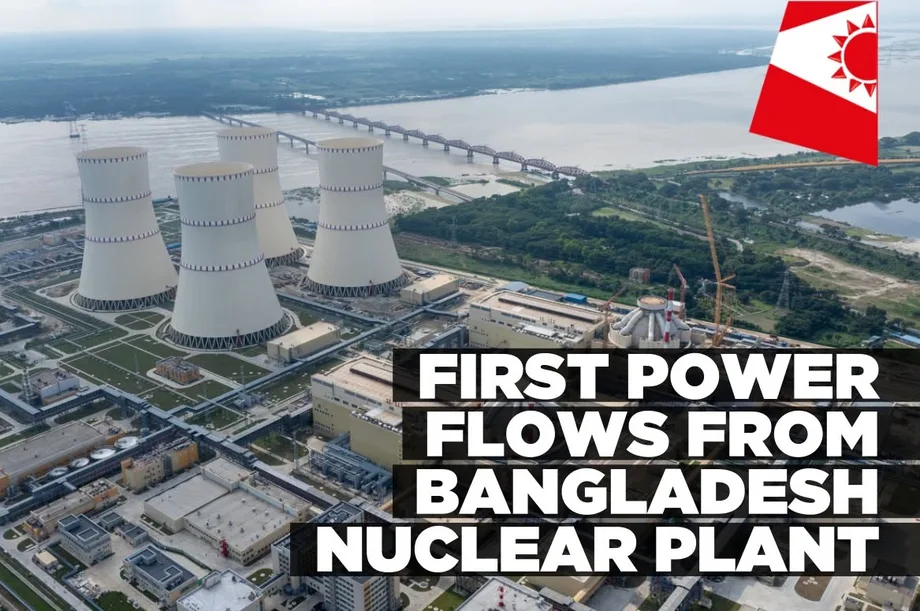
A Historic Step for South Asia
Bangladesh has officially entered the nuclear power era, marking a major milestone in its national energy history. On November 17, 2026, engineers successfully connected the first unit of the Rooppur Nuclear Power Plant to the national electrical grid. The plant is situated in Ishwardi Upazila within the Pabna District of the Rajshahi Division, located approximately 160 kilometres northwest of Dhaka along the banks of the Padma River. This landmark development places Bangladesh among the select group of nations generating electricity from atomic energy.
Contents
The initiative aims to address chronic power shortages and reduce the country's heavy reliance on imported fossil fuels and hydrocarbons. During the initial trial synchronization at 3:16 p.m., the reactor reached roughly 40 percent of its rated thermal capacity. This initial phase successfully delivered between 350 and 370 megawatts of electrical power into the national transmission network.
Understanding the Technology Behind Rooppur
The facility features two VVER-1200 reactors belonging to the Generation III+ reactor family. A nuclear reactor of this type uses uranium fuel assemblies undergoing controlled nuclear fission, a process where heavy atoms split to release immense heat. That heat generates steam, which subsequently spins a large turbine connected to an electrical generator. The combined planned capacity of the two units will reach 2,400 megawatts once fully operational.
Alexey Likhachev, Director General of the Russian state nuclear corporation Rosatom, praised the cooperative effort between Russian and Bangladeshi specialists. Speaking about the achievement, he highlighted the broader technological benefits for the region.
Bangladesh is gaining a reliable, stable and environmentally friendly energy source that will significantly reduce its dependence on imported hydrocarbons.
The Path to Grid Synchronisation
Before achieving this grid connection, the project reached a critical operational milestone known as first criticality on October 11, 2026. Criticality occurs when a self-sustaining and controlled nuclear chain reaction is established within the reactor core. This controlled reaction generates the thermal energy required to drive the power generation cycle without risking an uncontrolled release of energy.
Following criticality, engineers initiated power ascension testing and synchronised the alternating current output of the turbine generator with the voltage and frequency of the national high-voltage grid. Grid synchronisation requires precise phase matching so that electrical generators operate in perfect harmony with the existing power network. Power Grid Bangladesh PLC and the Bangladesh Power Development Board managed the integration process to ensure the transmission lines remained stable during the initial test.
The project's timeline reflects decades of planning and construction phases:
- 1961: Bangladesh first conceives the idea of building a nuclear power plant.
- 2011: The intergovernmental agreement for nuclear cooperation is signed with Russia.
- 2017: Construction formally begins on Unit 1 of the facility in November.
- October 11, 2026: Unit 1 achieves first criticality at the minimum controllable power level.
- November 17, 2026: The first unit is synchronised with the national grid, supplying initial power.
Regulatory Oversight and Safety Standards
The entire commissioning process operates under strict supervision by the Bangladesh Atomic Energy Regulatory Authority (BAERA). Regulatory approval is mandatory before the facility can transition between different operational stages. International oversight also plays a vital role, highlighted by a safety review successfully completed by the International Atomic Energy Agency in late 2025.
International Atomic Energy Agency Director General Rafael Grossi offered his congratulations to the nation. He emphasised the importance of peaceful nuclear energy applications for long-term economic development.
A new future is opening up for Bangladesh with clean energy, which will be key to the country's economic development.
In addition to technical operations, emergency preparedness remains a primary focus for national authorities. An Emergency Preparedness Review mission conducted by international experts evaluated the site between November 8 and November 18, 2026. The review commended the on-site specialised medical clinic, psychological support services, and advanced firefighting training simulator, while recommending stronger coordination among national agencies for off-site emergency response protocols.
Economic Impacts and Future Projections
The estimated construction cost of the Rooppur facility stands at approximately $12.65 billion, making it one of the largest infrastructure investments in the history of Bangladesh. Approximately 90 percent of this funding is provided through a Russian state loan. Fluctuations in foreign currency exchange rates have raised total project expenditures, but planners project that the station will supply roughly 11 percent of the nation's electricity needs once both units operate at full capacity.
Electricity consumers and local residents are already witnessing the transformation of the surrounding region. While the initial electricity tariff is still being finalised by utility boards, officials anticipate that commercial generation will commence following an extensive ten-month trial operation period under a provisional operating license issued by BAERA.
At a Glance
- The Rooppur Nuclear Power Plant is located 160 kilometres northwest of Dhaka in the Pabna District.
- Unit 1 achieved its first grid synchronisation on November 17, 2026, delivering initial test power.
- The facility utilises advanced VVER-1200 Generation III+ reactor technology supplied through Rosatom.
- Total planned capacity reaches 2,400 megawatts across two independent generating units.
- Regulatory oversight is managed domestically by the Bangladesh Atomic Energy Regulatory Authority.