Third and final pay rise lands in January 2027
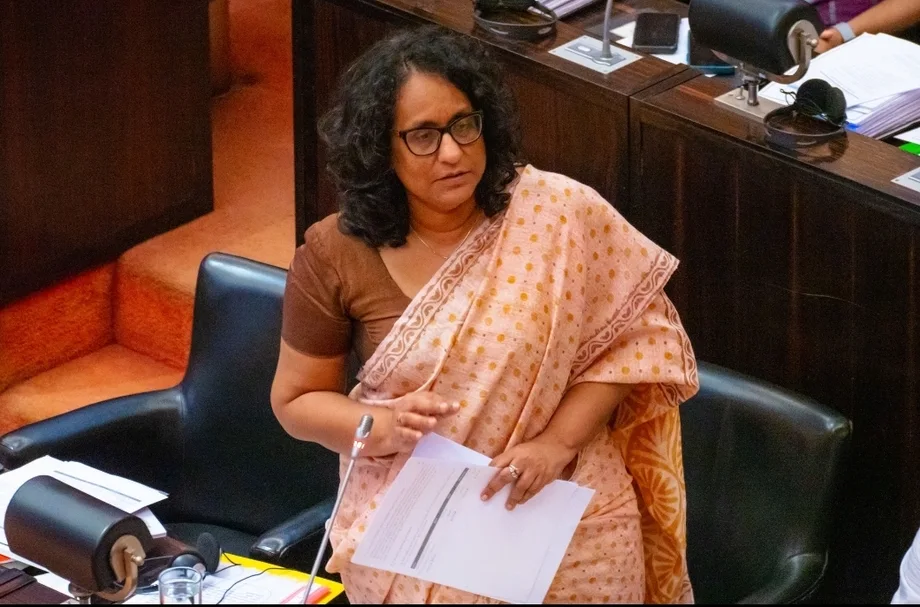
Prime Minister Dr. Harini Amarasuriya told Sri Lanka's Parliament on Saturday, 21 November, that every public sector employee and teacher will receive the third phase of the government's basic salary increase in January 2027. She was speaking during the Committee Stage debate on the 2027 Budget, the session where lawmakers argue over spending line by line before the final vote.
Contents
- Third and final pay rise lands in January 2027
- What Rs. 110 billion buys
- Why the unions are still walking out
- The government says: wait for the commission
- Doubling allowances left a gap at the bottom
- The opposition calls it a numbers game
- The budget behind the pay rise
- Relief in other parts of the budget
- The President's Fund reaches 27,948 people
- A fight over how Parliament is used
- Key dates in the pay dispute
- Key Points
The first two phases have already been paid, one in 2025 and one in 2026, she said. That three installment structure was set out in February 2025, before any strike or union pressure pushed the government to act, according to Cabinet Spokesman Dr. Nalinda Jayatissa, who recounted the timeline at the weekly Cabinet press briefing on 17 November. He confirmed that take-home salaries for all state employees rise in January 2027.
The announcement arrives as public sector unions stage their own campaign over the same money. Government Executive Officers walked out on a token strike across the island on 20 November, and education unions have called a protest for 23 November over an unpaid interim allowance. The government's answer to both is the same: wait for a salaries commission that reports next year.
What Rs. 110 billion buys
Trade, Commerce, Food Security and Cooperative Development Minister Wasantha Samarasinghe put a figure on the programme during the fifth day of the Second Reading debate on 18 November. A sum of Rs. 110 billion has been allocated solely for salary increases within the public service, he told the House, and the basic salary in the public service, which stood at Rs. 30,000, will increase to Rs. 57,800 this year, taking effect from January.
The move on the floor salary is Rs. 27,800, a rise of about 93 percent on the old base. Dr. Jayatissa added a detail unions have cited in their own defence: overtime, holiday pay, additional duty and other allowances calculated against the January 2027 salary scale have been paid out since April 2025 on the government's initiative instead of being held back, and targeted allowances reached particular sectors from July under this year's budget.
The government has also committed Rs. 2,000 billion for reform initiatives in 2027, a package that Minister Samarasinghe said covers relief for public sector employees, plantation workers, farmers and the fishing community. For context on the scale, the same budget sets aside Rs. 3 billion to distribute 50 paddy drying machines to 50 cooperatives.
Why the unions are still walking out
Inflation reached 8.3 percent in October, following a depreciation of the rupee, and union leaders say pay packets have not followed prices. The Joint Committee of Government Executive Officers announced an island-wide token strike for 20 November, with 20 trade unions representing different executive service categories taking part. The committee said the trigger was the budget's decision to grant allowance increases to selected categories of state employees while leaving their 20 categories out.
Seven major principals' associations and close to 20 teachers' unions have organised a separate protest for 23 November against the decision not to fund a proposed interim allowance of 25,000 rupees. Nimal Mudunkotuwa, general secretary of the Graded Principals' Union, said the demand covers employees in institutions ranging from preschools to universities.
As trade unions, we are putting forward the demand that an interim allowance of 25,000 rupees must be granted to all of them.
Nalaka de Silva, general secretary of the Sri Lanka Government Teachers' Union, told reporters that educators from preschools to universities would escalate industrial action if a settlement kept being delayed, and recalled the promise made during the election campaign.
They came to power promising that they would resolve the teachers' salary anomaly in the very first budget. We will definitely go on a one-day token strike.
Unrest has spread beyond the classroom. Irrigation engineers under the Ministry of Agriculture, Livestock, Land and Irrigation and veterinarians are taking trade union action over severe staff shortages, difficulty running state institutions and professionals leaving the country. The police force is short of about 30,000 officers, and unions across health, engineering and education are mobilising. The government has not said whether it will pay the 25,000 rupee interim allowance before the 23 November protest.
The government says: wait for the commission
Minister K D Lalkantha answered the unions directly during the budget debate in parliament on Thursday. He urged them to bring service-minute disputes and pay anomalies to a 15-member Salaries Commission appointed on 2 July under Asoka Peiris, a retired Special Grade administrative officer. The commission has received submissions from 69 unions, with a deadline of 31 December for further submissions and a report due in June next year.
The Prime Minister gave a separate date on Saturday for the special commission appointed to examine salary and pension disparities: she said it is expected to submit its report in July 2027, and that the government would take necessary action based on its recommendations.
Minister Lalkantha, who said he has worked with trade unions since 1996 and acknowledged that public servants made a major sacrifice through postal votes to elect the administration, conceded the second of the two demands unions have pressed for decades. Unions have long campaigned to fold all allowances into the basic salary and to raise pay in line with living costs, and he said the first has been met across three budgets while the second has not.
Even though we increased basic salaries in the public service, increasing salaries in accordance with the cost of living has not been done yet. We accept that.
He warned against settling disputes one group at a time, saying isolated concessions would destabilise the whole state sector.
However, if we lay hands on any one place in the public service to find a separate answer, the entire public service will go into a serious mess.
He also tied the pay argument to the 2022 economic collapse, saying Sri Lanka needs a strong, efficient, target driven public service rather than simply a large workforce, and that spending allocated budget money on time remains a major challenge.
Doubling allowances left a gap at the bottom
One line of the budget shows the difficulty in practice. The government doubled existing office allowances by 100 percent, and Minister Lalkantha acknowledged that the doubling preserved disparities among four categories of officers working in the same Grama Niladhari divisions.
Rural and urban office allowances for Grama Niladharis and agricultural research and production assistants, known as Kupanisas, rose from Rs. 2,000 to Rs. 4,000 and from Rs. 3,000 to Rs. 6,000. Samurdhi officers saw rises from Rs. 2,000 to Rs. 4,000 and from Rs. 2,500 to Rs. 5,000. Graduate Development Officers, starting from a much smaller base, went from Rs. 750 to Rs. 1,500 and from Rs. 1,000 to Rs. 2,000.
Equal percentage increases on unequal starting amounts recreate the gap they are meant to close, the minister said, and he described the result as a dignity issue for Development Officers. A Development Officer on Rs. 1,500 in office allowance works in the same division as a Samurdhi officer on Rs. 4,000.
The opposition calls it a numbers game
Samagi Jana Balawegaya lawmaker Ranjith Madduma Bandara told the debate that 85 percent of public servants had backed the government through postal votes expecting relief, and instead received what he called a numbers game. His arithmetic: the government absorbed existing allowances totalling Rs. 15,300 into basic pay, leaving cumulative increases over three years of just 60 percent for office aides, 68 percent for management assistants and 71 percent for development officers, while engineers' field allowances of Rs. 15,000 to Rs. 20,000 were left unrestored.
Having added this, today there is no cost-of-living allowance. You played a numbers game. You deceived the public servants.
Cabinet Spokesman Dr. Nalinda Jayatissa offered the government's counter at the briefing on 17 November. Challenges exist across multiple state sectors and cannot all be resolved at once, he said, but relief will be granted wherever fiscally possible. The government aims to keep recurrent expenditure within or below the existing 9 percent threshold, and he argued that as growth expands fiscal capacity, total funds available for public sector allowances will keep rising.
The budget behind the pay rise
President Anura Kumara Dissanayake presented the 2027 Budget on 12 November 2026, and it frames everything the unions are arguing about. Proposed public investment is about Rs. 2 trillion, or 5.12 percent of GDP, including the supplementary allocation for Cyclone Ditwah recovery, and the government has set a medium term ambition of sustainable growth of 7 percent or higher.
Financing that plan is the hard part. The gross borrowing requirement is Rs. 3.8 trillion, with no International Sovereign Bond issuance indicated in the borrowing plan, and debt servicing takes about Rs. 4,850 billion, close to 79 percent of projected government revenue of about Rs. 6.15 trillion. The current IMF program is due to conclude in March 2027, and a committee has been appointed to examine the suitability of a successor arrangement, with no date announced for that decision.
Execution is the other constraint. Only 64 percent of the capital budget was used in 2023, 54 percent in 2024 and 76 percent in 2025, so a large allocation does not by itself produce finished projects. Procurement delays, fragmented approvals and shortages of technical staff are named as the reasons.
Relief in other parts of the budget
The salary rise sits beside a set of concessions. The personal income tax free threshold moves to Rs. 162,500 per month, and CESS rates are cut by 25 percent on 800 selected Harmonised System code lines, concessions estimated to cost about Rs. 28.4 billion in net annual revenue.
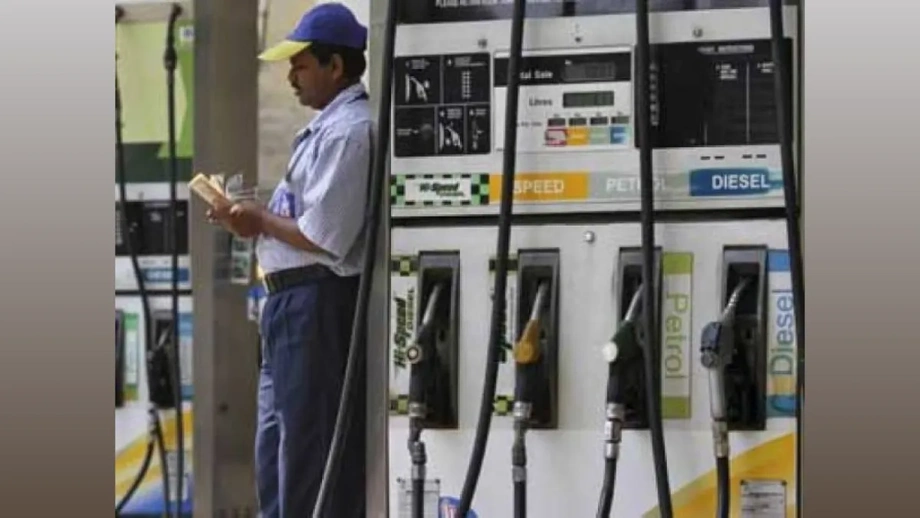
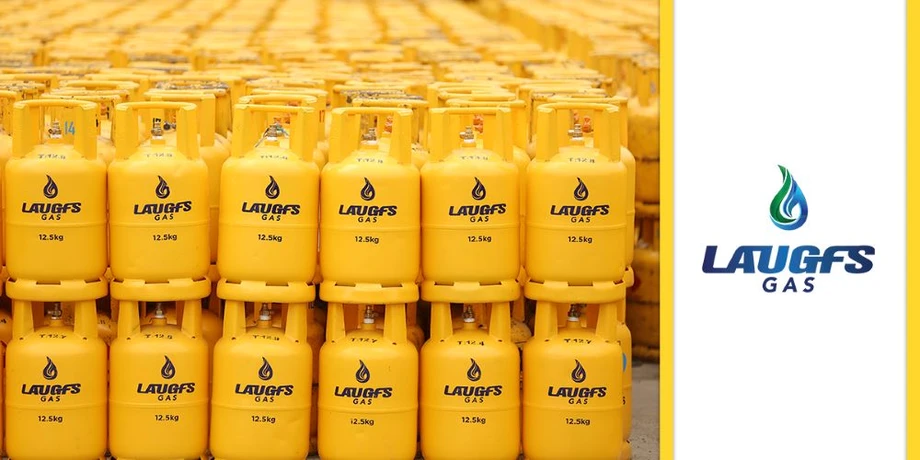
Minister Wasantha Samarasinghe told Parliament that the government intervened when private companies moved to raise gas prices, and that after discussions with the Consumer Affairs Authority the company agreed to cut a cylinder price of Rs. 6,740 by Rs. 745. He said about Rs. 90,000 million in subsidies have been provided for fuel prices, that 4.1 million children are being educated with a grant of Rs. 6,000 issued for footwear, and that taxes on numerous goods were removed in the last budget, including VAT on printed books.
The President's Fund reaches 27,948 people
Dr. Amarasuriya used the same debate to report on welfare delivery. The number of beneficiaries receiving assistance from the President's Fund rose from 1,664 in 2025 to 27,948 in 2026, more than sixteen times as many people, after the introduction of an online system and the decentralisation of services. She said the financial strength of the fund has grown by 150 percent over the past two years.
University students are seeing two changes at once. Mahapola scholarship allowances have been increased by 100 percent, and nearly 2,000 pairs of spectacles have been distributed among university students. The Suraksha insurance scheme for schoolchildren will continue with expanded benefits and medical coverage.
A fight over how Parliament is used
The Prime Minister also turned the debate onto opposition behaviour. She criticised opposition politicians over what she described as the use of parliamentary privileges to make false personal allegations, saying the government welcomes constructive and respectful criticism but expects opposition members to act responsibly and maintain dignity in Parliament.
The setting matters because parliamentary privilege protects members from legal action over what they say inside the chamber, which is why allegations made there carry weight and why the government is pressing for restraint.
Key dates in the pay dispute
- 2 July 2026: the 15-member Salaries Commission is appointed under retired Special Grade administrative officer Asoka Peiris.
- 12 November 2026: President Anura Kumara Dissanayake presents the 2027 Budget.
- 17 November 2026: Cabinet Spokesman Dr. Nalinda Jayatissa confirms the January 2027 pay rise at the weekly Cabinet briefing.
- 18 November 2026: Minister Wasantha Samarasinghe tells Parliament that Rs. 110 billion is allocated for public sector salary increases and that basic pay moves from Rs. 30,000 to Rs. 57,800.
- 20 November 2026: Government Executive Officers hold an island-wide token strike with 20 trade unions participating.
- 21 November 2026: Prime Minister Dr. Harini Amarasuriya confirms the third pay phase for January 2027 during the Committee Stage debate.
- 23 November 2026: planned protest by seven principals' unions and close to 20 teachers' unions over the Rs. 25,000 interim allowance.
- 31 December 2026: deadline for submissions to the Salaries Commission, which had already received 69 submissions.
- January 2027: the third salary phase takes effect, alongside the new tax free threshold.
- March 2027: the current IMF program is due to conclude.
- June 2027: the Salaries Commission report is due, and July 2027 is the date the Prime Minister gave for the special commission on salary and pension disparities.
Key Points
- Public sector employees and teachers receive the third and final phase of the basic salary increase in January 2027, after phases in 2025 and 2026, Prime Minister Dr. Harini Amarasuriya announced on 21 November.
- Rs. 110 billion is allocated for public sector salary increases, and basic pay rises from Rs. 30,000 to Rs. 57,800, a jump of about 93 percent.
- Inflation reached 8.3 percent in October, and 20 trade unions held a token strike on 20 November while education unions planned a protest for 23 November over a Rs. 25,000 interim allowance.
- Minister K D Lalkantha conceded that pay has not yet risen with the cost of living and pointed unions to a 15-member Salaries Commission due to report in June 2027; the Prime Minister gave July 2027 for the special commission on salary and pension disparities.
- Beneficiaries of the President's Fund rose from 1,664 in 2025 to 27,948 in 2026, Mahapola scholarship allowances were doubled, and the Suraksha school insurance scheme continues with wider coverage.
- The 2027 Budget, presented on 12 November, sets about Rs. 2 trillion for public investment against a Rs. 3.8 trillion gross borrowing requirement, with debt servicing near 79 percent of projected revenue.