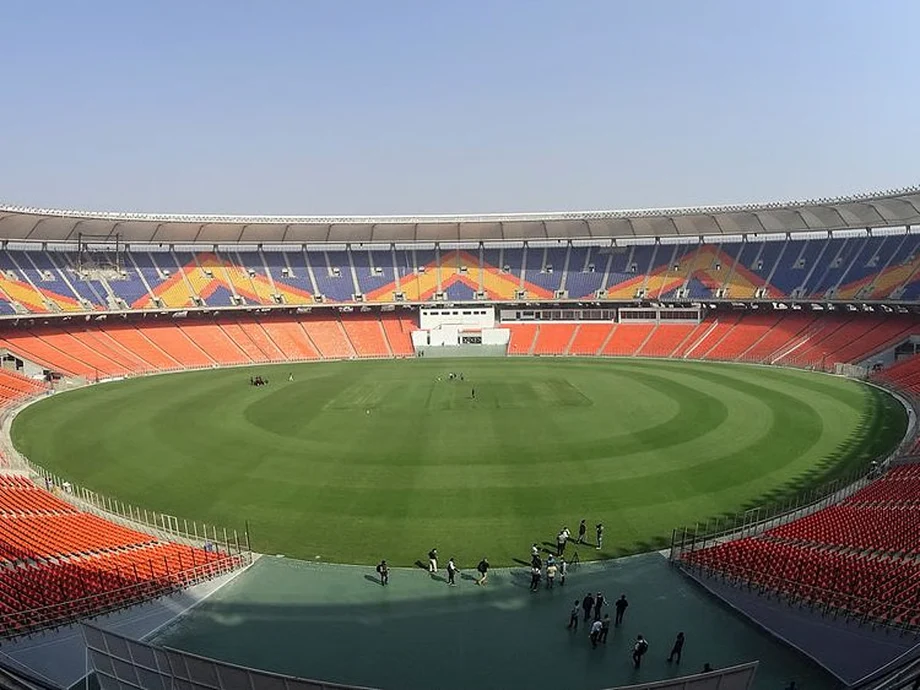
A 46 day World Cup returns to the subcontinent
Bangladesh and India will jointly host the 2031 ICC Men's Cricket World Cup from 9 October to 23 November, under a calendar approved by the International Cricket Council Board at meetings in Bali, Indonesia. The announcement on 15 November also confirmed India's Champions Trophy dates in 2029 and set windows for major men's tournaments through 2035.
Contents
- A 46 day World Cup returns to the subcontinent
- Bangladesh and India renew a hosting partnership
- India gets the 2029 Champions Trophy
- The confirmed timeline through 2035
- Why the ICC is setting dates years ahead
- More places to contest in men's qualification
- Women's T20 qualification has a regional map
- Bangladesh also has an Olympic assignment
- Dates are settled before every host is chosen
- Key Points
The World Cup window covers 46 calendar days, counting both the opening and closing dates. It brings the competition back to the Indian subcontinent after the 2027 edition in South Africa, Zimbabwe and Namibia, and reunites two countries that shared hosting duties with Sri Lanka in 2011.
The ICC's approved tournament calendar covers four competitions: the Men's Cricket World Cup, Men's T20 World Cup, Men's Champions Trophy and World Test Championship final. Its first event is the 2028 T20 World Cup in Australia and New Zealand, and its last is the 2035 Cricket World Cup.
For Bangladesh, the decisions also bring another international assignment before 2031: hosting the final women's Olympic cricket qualifier from 26 February to 5 March 2028. India will stage the Champions Trophy from 9 to 28 October 2029, giving the region two major men's tournaments within three years.
National boards and players now have dates around which to organise preparation and domestic competitions. Supporters have the broad travel windows, although the announcement did not provide the 2031 match fixtures, stadium list, division of games between Bangladesh and India, or ticket arrangements.
Bangladesh and India renew a hosting partnership
Bangladesh and India previously helped stage the 2011 World Cup alongside Sri Lanka. The 2031 tournament will therefore restore an established partnership, with the two neighbours sharing responsibility for the competition.
India's hosting history includes the 1987, 1996, 2011 and 2023 editions. The most recent tournament ended with Australia defeating India in the final in Ahmedabad. The eight years between 2023 and 2031 match the gap between India's forthcoming World Cup and the next edition scheduled after it in 2035.
Southern Africa takes its turn first. Namibia will host the Men's Cricket World Cup for the first time in 2027, alongside South Africa and Zimbabwe, which last staged the tournament in 2003. That sequence moves the competition from India in 2023 to southern Africa in 2027, then to Bangladesh and India in 2031.
The Cricket World Cup uses the one day international format, commonly shortened to ODI. Each team normally has a maximum of 50 overs to bat, with six legal deliveries in an over. T20 cricket gives each side 20 overs, making it a shorter competition with a different tournament calendar.
India gets the 2029 Champions Trophy
India will host the Men's Champions Trophy from 9 to 28 October 2029, its first time staging the competition since 2006. That is a gap of 23 years between hosting assignments.
The Champions Trophy and Cricket World Cup both use ODI cricket, but they are separate tournaments. India's October 2029 commitment therefore comes two years before its shared World Cup with Bangladesh, rather than forming part of the same competition.
At the time of the ICC announcement, India held both the Men's Champions Trophy and Men's T20 World Cup titles. Australia held the Men's Cricket World Cup, while South Africa held the World Test Championship mace, the trophy awarded to the winner of that competition.
The following Champions Trophy is scheduled for 2 to 23 October 2033. Its host remains among the decisions still to be made for the later part of the calendar.
The confirmed timeline through 2035
The ICC has published dates for 12 events between 2028 and 2035. Several years contain both a World Test Championship final in June and a limited overs tournament later in the year.
- 12 October to 12 November 2028: Men's T20 World Cup in Australia and New Zealand.
- 8 to 12 June 2029: World Test Championship final in England.
- 9 to 28 October 2029: Men's Champions Trophy in India.
- 4 July to 4 August 2030: Men's T20 World Cup in England, Ireland and Scotland.
- 12 to 16 June 2031: World Test Championship final in England.
- 9 October to 23 November 2031: Men's Cricket World Cup in India and Bangladesh.
- 14 October to 14 November 2032: Men's T20 World Cup, with the host to be confirmed.
- 9 to 13 June 2033: World Test Championship final, with the host to be confirmed.
- 2 to 23 October 2033: Men's Champions Trophy, with the host to be confirmed.
- 6 July to 6 August 2034: Men's T20 World Cup, with the host to be confirmed.
- 7 to 11 June 2035: World Test Championship final, with the host to be confirmed.
- 2 October to 18 November 2035: Men's Cricket World Cup, with the host to be confirmed.
England's assignments include two consecutive World Test Championship finals in 2029 and 2031. The final will continue every two years in June through 2035. Test cricket is the longest international format, and the championship concludes with a final scheduled across five days.
England, Ireland and Scotland will share the 2030 T20 World Cup. For Ireland and Scotland, that assignment follows their involvement in hosting the 1999 Cricket World Cup. Australia and New Zealand will stage the preceding T20 edition in 2028, identified by the ICC as the tournament's 11th edition.
Why the ICC is setting dates years ahead
ICC chief executive Sanjog Gupta linked the calendar to the practical work of preparing players and organising national programmes. He said knowing when major events will take place gives athletes and member associations a clearer basis for their decisions.
We also recognise the importance of providing athletes and member associations long-term visibility of these events to enable development of improved player pathways, focused high-performance programmes and structured calendars.
For a national cricket board, that preparation can include arranging international fixtures, developing younger players and deciding when to concentrate resources on a particular format. A team preparing for a T20 competition faces a different playing schedule from one preparing for a 50 over World Cup or a Test championship final.
The calendar also places the qualification competitions within a larger sequence. Teams outside the automatically qualified group need to know when they can compete for entry, while players need time to prepare for those events as well as the main tournaments.
More places to contest in men's qualification
The ICC Board also approved qualification formats for the 2027 Men's ODI World Cup and the 2028 Men's T20 World Cup. The stated aim is to give Full and Associate Members more opportunities and exposure to international competition. These are the ICC's two membership categories, covering established national boards and a wider group of cricketing nations.
The 2028 Men's T20 World Cup Global Qualifier will feature 16 teams and 31 matches in the first quarter of 2028. Teams will be divided into four groups of four, followed by quarterfinals, semifinals and a final. Eight World Cup places will be available, equivalent to half the starting field.
Regional representation will also shape qualification. The highest placed team from each region will secure a place if it meets minimum performance requirements, with the remaining places going to the next highest ranked teams across the competition.
The 2027 Men's ODI World Cup Qualifier is scheduled for February and March 2027. It will feature 10 teams playing 23 matches, beginning with two groups of five and progressing to semifinals and a final. The qualification arrangements identify four teams advancing from that event, with a further Super Series step for three of them.
These competitions give teams a route to the major tournaments through results on the field. For smaller cricket programmes, reaching a global qualifier also creates opportunities to play opponents beyond their usual regional schedule.
Women's T20 qualification has a regional map
The 2028 Women's T20 World Cup Global Qualifier will bring together 10 teams. The Netherlands and Scotland will enter after participating in the 2026 edition without securing automatic qualification for 2028.
Eight other teams will reach the Global Qualifier through regional competitions in 2027. Africa, Asia and East Asia-Pacific will each receive two places. The Americas and Europe will each receive one, completing the eight regional entries.
Only the top two teams at the Global Qualifier will take the final places at the 2028 Women's T20 World Cup. That is two places for a field of 10, compared with eight places for 16 teams at the men's Global Qualifier.
The figures show how competitive the final women's qualification stage will be: one fifth of its teams will advance, compared with one half in the men's event. Each tournament has its own entry arrangements, but both give teams a defined competition through which to reach the World Cup.
Bangladesh also has an Olympic assignment
Bangladesh will host the final women's qualifying tournament for the Los Angeles 2028 Olympics from 26 February to 5 March 2028. The corresponding men's event will take place in the United States from 5 to 13 February.
Each qualifier will contain eight teams divided into two groups of four, with 13 matches in total. The two group winners will advance to the final, and the winner of that match will claim the last available Olympic place in the respective men's or women's competition.
That structure makes finishing first in the group especially valuable. Only two of the eight teams will reach the final, and only one will leave with an Olympic berth. The same numbers and progression apply to both qualifying tournaments.
Bangladesh's women's Olympic qualifier comes more than three years before its shared men's World Cup. Together, the assignments put the country on the calendar for both an event deciding access to the Olympics and one of cricket's largest tournaments.
Dates are settled before every host is chosen
Six of the 12 events in the published calendar have named hosts, while six still await host announcements. The unallocated events are the 2032 and 2034 Men's T20 World Cups, the 2033 and 2035 World Test Championship finals, the 2033 Champions Trophy and the 2035 Men's Cricket World Cup.
The 2035 World Cup already has a window of 2 October to 18 November, covering 48 calendar days when both dates are counted. That is two days longer than the 46 day window set for Bangladesh and India in 2031.
The sequence also shows a regular rhythm: Men's T20 World Cups in 2028, 2030, 2032 and 2034; Champions Trophies in 2029 and 2033; and ODI World Cups in 2031 and 2035. June remains reserved for the World Test Championship final every two years.
For Bangladesh and India, the central commitment is now precise: their shared World Cup runs from 9 October to 23 November 2031. The next practical details for supporters will be the fixtures and venues, while cricket boards can begin fitting preparation around the confirmed window.
Key Points
- Bangladesh and India will jointly host the 2031 Men's Cricket World Cup from 9 October to 23 November.
- India will host the Champions Trophy from 9 to 28 October 2029.
- The ICC approved dates for 12 major men's events from 2028 through 2035.
- England will stage the World Test Championship finals in June 2029 and June 2031.
- Bangladesh will host the final women's Olympic cricket qualifier from 26 February to 5 March 2028.
- Six events from 2032 through 2035 have confirmed dates but no announced hosts.