Small digital loans with a 9 percent annual rate cap
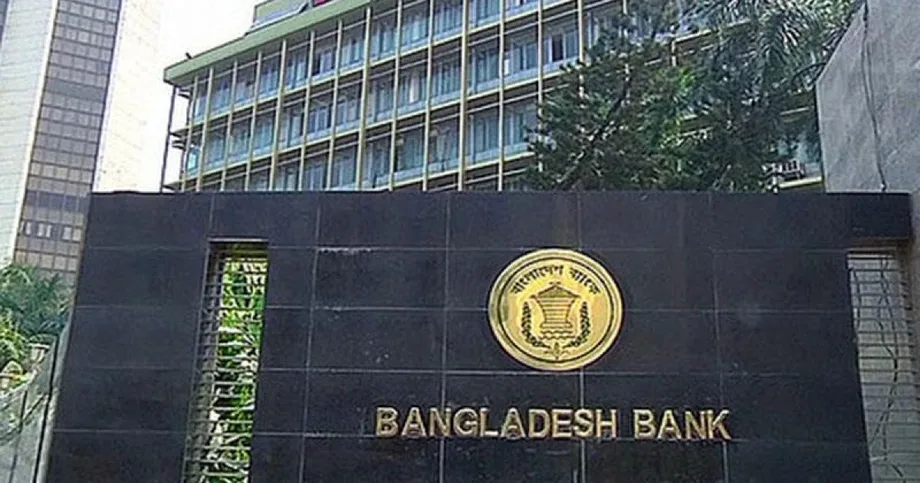
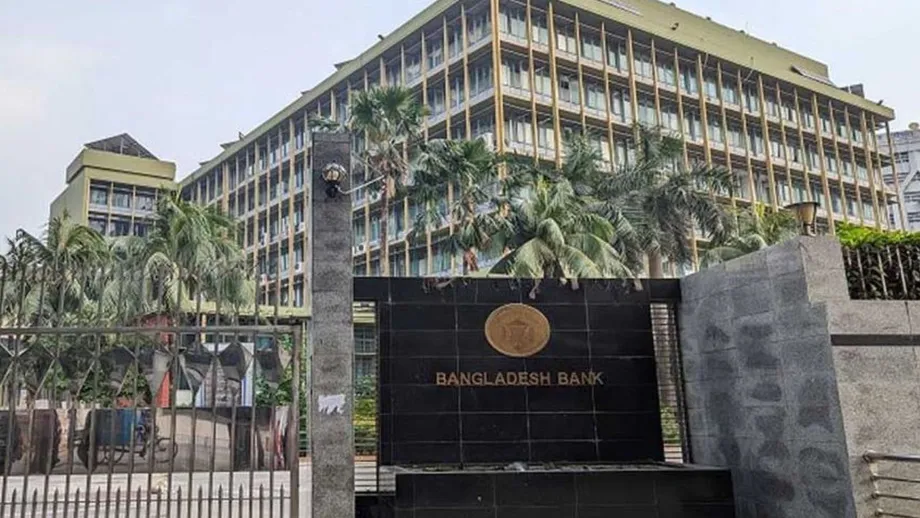
Bangladesh Bank has updated a Tk100 crore refinancing fund to support digital loans of up to Tk50,000 without collateral, giving priority to people outside formal banking, disadvantaged women, small entrepreneurs, students and people with disabilities. Borrowers will have up to 12 months to repay, with annual interest or profit capped at 9 percent and calculated on the remaining loan balance.
Contents
- Small digital loans with a 9 percent annual rate cap
- An existing programme gets new rules
- Who receives priority?
- How the interest calculation works
- What borrowers must see before agreeing
- Digital delivery still requires credit checks
- How far can Tk100 crore reach?
- Banks must prepare before joining
- Repayment responsibility stays with the banks
- Key Points
The central bank's Department of Communications and Publications announced the updated E-Loan Refinancing Scheme on November 15, 2026. Its Financial Inclusion Department issued Circular No. 02 on November 9, with the scheme remaining effective until June 30, 2028.
Participating scheduled banks will handle the lending through internet banking, mobile banking applications, mobile financial services and e-wallets. Registration, applications, disbursement and installment payments must all take place digitally, allowing customers to complete the process without visiting a branch.
Bangladesh Bank will provide refinancing to participating banks at an annual rate of 1 percent. Refinancing means the central bank supplies funds to banks against eligible loans they make to customers. Borrowers therefore apply through participating banks and their approved digital channels, while Bangladesh Bank finances and supervises the programme.
The scheme promises instant digital delivery, but banks must first assess a customer's ability to repay and check credit records. Removing collateral means applicants do not have to pledge property or another asset as security. Approval still depends on meeting the lending rules.
An existing programme gets new rules
The Financial Inclusion Department has renamed and reorganised the earlier Digital Small Loan Refinance Scheme as the E-Loan Scheme. The new circular replaces circular letters issued in 2022 and 2023, while keeping measures already taken under those earlier instructions valid.
The revised instructions took effect immediately. The main dates are:
- 2022 and 2023: Earlier circular letters governed the digital small loan programme.
- November 9, 2026: The central bank identifies this as the date of Financial Inclusion Department Circular No. 02. November 10 has also been cited as the issuance date.
- November 15, 2026: The Department of Communications and Publications announced the updated scheme.
- June 30, 2028: The updated scheme's operating period ends.
The revision combines cheaper funding for banks with rules on digital consent, repayment information, borrower screening and supervision. Access will depend on banks completing the participation requirements and making eligible products available through their digital services.
Who receives priority?
Bangladesh Bank gives priority to marginalised communities, residents of remote areas and people without access to conventional banking. Disadvantaged women and women running cottage, micro and small enterprises are also priority groups.
People with special needs, people with disabilities and third-gender customers are included. The detailed lending provisions identify income generating activities as a focus for these groups, connecting access to credit with opportunities to earn.
Students aged 18 to 25 who hold student banking accounts are included in the central bank's announcement. A lower starting age of 16 has also been cited in descriptions of the rules, so applicants below 18 should confirm eligibility with a participating bank before applying.
Student loans may cover education expenses, study materials, vocational or technical training, and information technology training. Students may also borrow to start a business or pursue work using skills acquired through training. These permitted uses give the programme a wider reach than credit solely for existing businesses.
Priority status gives these groups a place at the front of the programme's intended reach. Banks must still assess each application, and customers already in default cannot receive new loans under the lending rules.
How the interest calculation works
Each customer may borrow up to Tk50,000 at a time, for a maximum term of 12 months. The annual interest or profit rate cannot exceed 9 percent. Banks may offer a lower rate within that ceiling.
Interest must be calculated on the declining loan balance. In simple terms, once a borrower repays part of the principal, future interest is calculated on the smaller amount still owed. The principal is the money borrowed before interest is added.
At the maximum annual rate, Tk50,000 outstanding for a full year would generate Tk4,500 in simple interest. When installments reduce that balance during the year, the interest calculation falls with it. The actual repayment total depends on the approved rate, repayment dates and amounts outstanding over time.
Islamic banks may provide financing through their approved Shariah investment methods, with the annual profit rate also capped at 9 percent. Banks must disclose the actual repayment amount and schedule before a customer gives digital consent.
What borrowers must see before agreeing
Participating banks must give customers clear, understandable information before obtaining consent through an app or another digital channel. The required disclosures are:
- The amount being borrowed.
- The applicable interest or profit rate.
- The total amount to be repaid.
- The installment repayment schedule.
- The consequences of failing to repay.
These requirements put the cost and repayment obligation in front of the borrower before acceptance. A customer borrowing for training, education or a small business should be able to see both the total commitment and when each payment falls due.
The maximum term of 12 months sets an outer limit. Each approved loan will have its own repayment schedule, which the bank must explain before consent. A digital application therefore needs to present more than a loan amount and an acceptance button.
Digital delivery still requires credit checks
Banks must assess creditworthiness, meaning whether an applicant is likely to repay, and comply with Bangladesh Bank's Credit Information Bureau requirements. The bureau holds information on borrowing and repayment records that banks use when reviewing applications.
Internet banking, bank applications, mobile financial services and e-wallets are the permitted delivery channels. Where a bank uses a mobile financial services platform, it must sign a memorandum of understanding with the service provider. That agreement sets out the formal relationship for delivering loans through the platform.
The rules also prohibit third parties from participating in lending. Banks remain responsible for the loan process, while an approved mobile financial services provider may serve as a digital channel under the required agreement.
No participating bank list or common customer launch date was given in the announcement. Customers will need to confirm that their bank or digital provider offers a product under this particular scheme and check the eligibility requirements before submitting an application.
How far can Tk100 crore reach?
Bangladesh Bank is financing the Tk100 crore fund from its own resources. One crore equals 10 million taka, so the fund contains Tk1 billion. At the maximum loan size of Tk50,000, that amount is equivalent to 20,000 loans before money is recovered and reused.
The fund is revolving. When loans are repaid and funds become available again, they can support fresh lending during the scheme's operating period. Smaller average loans would allow the same amount of funding to support more borrowers at a time.
The number of people reached will therefore depend on loan sizes, repayments and how actively banks use the facility. The revolving design allows the fund to keep supporting new credit rather than being exhausted after a single round of lending.
Participating banks receive refinancing at 1 percent annually, while the customer rate is capped at 9 percent. The difference between those rates is up to eight percentage points. Banks also carry the work of assessing applications, operating digital services, collecting repayments and managing loans that customers fail to repay.
Banks must prepare before joining
Banks seeking to participate must first complete a pilot programme and obtain approval from their boards of directors for their loan product policies. They must also sign a participation agreement with Bangladesh Bank.
These requirements place preparation before broad distribution. A bank needs an approved lending policy and a tested process for handling digital applications, disbursements and repayments. Using a mobile financial services provider adds the separate agreement required with that provider.
Banks are responsible for monitoring loan distribution and checking that funds are used for their intended purposes. Bangladesh Bank may request records and supporting documents, including through random checks, and conduct inspections at bank premises.
The central bank says the programme is intended to expand income generating activities, reduce economic inequality and bring more people into formal financial services. Its other stated goal is to make customers more familiar with mobile applications and digital transactions as Bangladesh moves towards greater use of cashless payments.
Repayment responsibility stays with the banks
Participating banks remain responsible for repaying Bangladesh Bank even when their customers default. The central bank generally recovers refinancing installments from a bank's current account every three months, with monthly recovery arrangements applying in certain cases involving shorter or irregular loan terms.
A bank that gives false information to obtain refinancing, or lacks sufficient money in its account when an installment is collected, may face recovery of the outstanding amount in a single payment. Interest or profit for the additional period can be charged at two percentage points above the prescribed refinancing rate.
With the normal refinancing rate set at 1 percent, that higher rate would be 3 percent. This provision applies to the bank's obligation to Bangladesh Bank. Customers must separately receive an explanation of the consequences of default under their own loan agreements before accepting the loan.
False or incomplete refinancing applications may also lead to cancellation of the facility. Together, the repayment and inspection rules give banks a continuing financial responsibility after money has reached a customer's account.
Key Points
- Bangladesh Bank's E-Loan scheme supports digital loans of up to Tk50,000 without collateral.
- Borrowers have up to 12 months to repay, with annual interest or profit capped at 9 percent on the declining balance.
- The Tk100 crore fund uses Bangladesh Bank's own resources and can finance fresh loans as money is recovered.
- Priority groups include underserved communities, women entrepreneurs, eligible students, people with disabilities and third-gender customers.
- Banks must check eligibility and credit records and disclose costs, installments and default consequences before digital consent.
- Participating banks receive refinancing at 1 percent and remain responsible for repayment to the central bank.
- The updated scheme remains effective until June 30, 2028.