Review Will Shape Whoosh Ownership and Financing Decisions
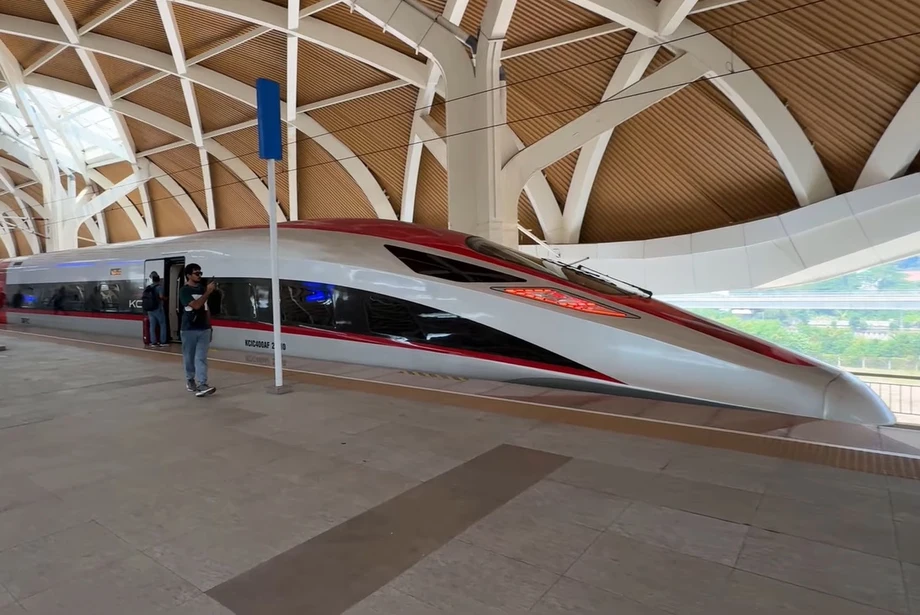
Indonesia's Finance Ministry aims to complete due diligence in December 2026 on a proposed transfer to the government of the Indonesian consortium's shares in PT Kereta Cepat Indonesia China (KCIC), the company behind the Whoosh railway linking Jakarta and Bandung. The examination includes valuation and legal checks, while officials prepare a presidential regulation to support the transaction.
Contents
- Review Will Shape Whoosh Ownership and Financing Decisions
- What the December Examination Covers
- Which Shares Could Move to the Government?
- Why Debt Terms Are Still Being Studied
- The Budget Promise and Passenger Services
- Several Institutions Are Working on the Plan
- The Timeline Centers on Two Dates
- Key Points
Evita Manthovani, the ministry's director general of state assets, outlined the timetable at the APBN KiTa budget briefing on November 13, 2026. The ministry is also studying how to handle the project's financing obligations, including possible debt restructuring, while promising that Whoosh services will continue operating.
The stake involved is substantial: PT Pilar Sinergi BUMN Indonesia (PSBI), a consortium of Indonesian state enterprises, owns 60% of KCIC. The remaining 40% belongs to China's Beijing Yawan HSR Co. Ltd. The proposal concerns the Indonesian stake, with the government considering ownership through a special mission vehicle under the Finance Ministry.
December is the target for completing the examination. The transfer itself, any change to debt repayment terms and the final financing arrangements will depend on the findings and subsequent decisions. Officials have not announced a completion date for the share transfer.
What the December Examination Covers
The Finance Ministry describes three connected tasks: due diligence, valuation and preparation of a legal basis. Due diligence means checking the financial and legal position of the businesses and interests involved before the government decides how to proceed. Valuation examines their worth, an essential step when ownership is being transferred.
Evita gave the target directly at the budget briefing:
Uji tuntas ini kami targetkan selesai di Desember 2026.
Her statement sets December 2026 as the planned completion month. The work includes examining PSBI's valuation and the legal aspects of the proposed arrangements. Its findings and recommendations will also guide consideration of any adjustment to the project's financing period.
For the government, the examination brings together questions that affect one another. A decision about who owns the shares needs an assessment of their value and legal position. A decision about financing needs an understanding of the obligations attached to the project and the agreements already in place.
The ministry is conducting that work while drafting the presidential regulation. Officials intend the examination's findings to strengthen the substance of the regulation, allowing the financial and legal work to inform the rules governing the proposed transaction.
Which Shares Could Move to the Government?
PSBI is the Indonesian company formed as a consortium of state enterprises to participate in the railway project. Its members are PT Kereta Api Indonesia, PT Wijaya Karya, PT Jasa Marga and PTPN. Together through PSBI, they hold the majority interest in KCIC.
The current ownership structure is:
- PSBI, the Indonesian state enterprise consortium: 60% of KCIC.
- Beijing Yawan HSR Co. Ltd., the Chinese consortium: 40% of KCIC.
The Indonesian holding is 20 percentage points larger than the Chinese holding, or one and a half times its size. Moving that interest to government ownership would change where the majority stake sits within Indonesia's public sector.
Danantara and the Finance Ministry previously discussed transferring the consortium's shares to the government through a special mission vehicle under the ministry. Such a vehicle is an entity assigned a particular public purpose. In this proposal, it would provide a structure for holding the government's interest as part of the wider reorganisation of Whoosh ownership and financing.
The ownership proposal therefore involves several levels: the state enterprises that make up PSBI, PSBI's interest in KCIC, and the government structure being considered to receive that interest. Those relationships help explain why the process requires both company valuation and legal review.
Why Debt Terms Are Still Being Studied
China Development Bank (CDB), the lender financing construction of the project, remains central to the financing discussions. Evita said the government respects the financing agreements already reached with the bank and will handle financing arrangements and strategic steps carefully and in accordance with applicable rules.
The ministry is examining possible debt restructuring alongside the proposed ownership changes. Restructuring means revising the arrangements for paying a debt. One issue under consideration is the financing tenor, the length of time allowed for repayment.
A longer repayment period can spread payments over more years, while also affecting how long a borrower remains committed to the loan and the interest payable over time. The actual effect depends on the agreed terms. In Whoosh's case, the ministry says the due diligence findings and recommendations will guide consideration of any adjustment.
Evita linked that decision to the examination when discussing repayment timing and financing:
Apakah akan ada penyesuaian tenor dan pembiayaan, kita lihat uji tuntas.
She was explaining that officials would look to the due diligence before deciding whether to adjust the financing tenor or financing arrangements. The government's stated approach combines review of possible changes with respect for the existing CDB agreements.
The Budget Promise and Passenger Services
The Finance Ministry says Whoosh's financial obligations will be managed in a measured way without directly burdening the state budget, known as the APBN. It also says the ownership process will not affect railway operations and that the government is providing support to keep services running.
For passengers, continued operation is the most immediate commitment. The government is treating the work on shares, legal arrangements and financing as a process that must proceed while the railway continues providing its service.
For public finances, the ministry's stated aim is to manage the project's obligations without disrupting the budget. That makes the financing review relevant beyond the companies holding the shares: the eventual arrangements must address the project's obligations alongside the government's budget objective.
The two commitments set practical tests for the work now under way. Officials must develop an ownership and financing arrangement that accommodates continuing railway operations while meeting the ministry's stated approach to the APBN. The due diligence is intended to provide the information needed for those decisions.
Several Institutions Are Working on the Plan
The Finance Ministry is coordinating with the state enterprise regulatory body, BP BUMN, the investment management agency BPI Danantara and the Transportation Ministry. Their participation brings together state asset ownership, investment management and responsibility for the transport sector.
The discussions also involve Jamdatun, the deputy attorney general's office responsible for civil and state administrative affairs, and BPKP, the Financial and Development Supervisory Agency. Their involvement adds legal and financial oversight to the process.
The draft presidential regulation is another central part of that coordination. A presidential regulation provides rules issued by the president. Here, the ministry is preparing it as the legal basis for the proposed share transfer and related handling of the Whoosh project.
Evita said the regulation is being prepared in parallel with the examination so that the findings can strengthen its contents. The timetable connects the technical review to the government's rulemaking: what officials learn about valuation, obligations and legal requirements will help shape the arrangement they put forward.
The Timeline Centers on Two Dates
The government's latest account establishes a short timetable for the next stage of work, following earlier discussions between Danantara and the Finance Ministry about a government vehicle to hold the Indonesian interest.
- November 13, 2026: Evita outlined the review, coordination and planned regulation at the APBN KiTa briefing.
- December 2026: The Finance Ministry targets completion of due diligence, with findings intended to inform the presidential regulation and financing decisions.
The December milestone gives the government a target for finishing its examination of the proposed transaction. After that work, the central decisions concern the ownership structure, the legal arrangements supporting it and the treatment of the project's debt.
Key Points
- The Finance Ministry targets December 2026 to complete due diligence on the proposed Whoosh share transfer.
- PSBI owns 60% of KCIC; Beijing Yawan HSR Co. Ltd. owns 40%.
- The examination includes valuation and legal checks, alongside preparation of a presidential regulation.
- Possible changes to CDB financing terms will depend on the examination's findings and recommendations.
- The government promises continued Whoosh operations and measured management of obligations without directly burdening the state budget.
- A special mission vehicle under the Finance Ministry has been discussed as the structure for government ownership.