Two Chances to Buy Tickets Offered for HK$17,000
A Threads post offering two first round ticket purchase allocations for Eason Chan's Hong Kong recording performances at HK$17,000 has drawn an angry response from fellow singer Arvin Tsang. The asking price amounts to HK$8,500 for each allocation, against official ticket prices of HK$980 and HK$1,280.
Contents
- Two Chances to Buy Tickets Offered for HK$17,000
- Why the Listing Provoked Such Anger
- Nearly Five Million Entries for a Small Theatre
- What the Ticketing Checks Are Looking For
- Police Were Alerted Before Official Purchases Began
- The Dates Applicants Need
- Why These Performances Have Limited Room
- Recording Rules and Wheelchair Arrangements
- Key Points
The seller posted an image showing a successful ballot result and invited private messages, saying the price was negotiable. The offer appeared after first round results began coming out on November 2, 2026, and before the scheduled November 5 purchase window. What was being advertised was the opportunity to purchase tickets through the ballot process.
Tsang, a singer with Emperor Entertainment whose Chinese name is 曾傲棐, responded with a Cantonese profanity written in Latin letters. His comment had attracted more than 7,000 likes by November 4, turning the listing into a focus of frustration over access to Chan's 26 performances.
The dispute follows an extraordinary rush for tickets. Organisers recorded 4,956,164 registrations during the public ballot period on October 28 and 29. They have promised about 90% of tickets for public sale and reported suspicious selling activity to police.
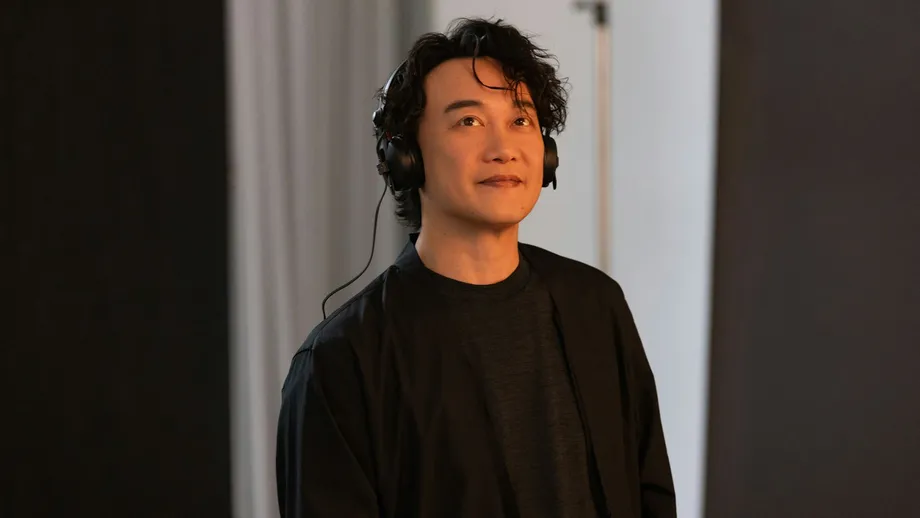
Chan's series, Recording Sessions with Mr. Eason Chan, is scheduled for December 12, 2026, to February 20, 2027, at the Lyric Theatre of the Hong Kong Academy for Performing Arts. Its intimate recording format, limited seating and enormous ballot response have created a market for expensive promises before fans complete official purchases.
Why the Listing Provoked Such Anger
HK$8,500 is about 6.6 times the higher official ticket price of HK$1,280 and about 8.7 times the lower price of HK$980. The advertised HK$17,000 was for two purchase allocations, making the offer different from an ordinary listing for two already purchased seats.
The terms described in the post leave a practical question unresolved: whether the eventual ticket costs would be included in that sum. Transfer arrangements for the advertised allocations were also unspecified. A buyer would need to understand both before knowing the full cost or how access would be delivered.
Arvin Tsang, the Emperor Entertainment singer, left a brief response beneath the Threads listing:
dnlm
The letters abbreviate a vulgar Cantonese insult. The thousands of likes attached to the comment show how widely that particular response circulated, while the asking price gave disappointed applicants a concrete target for their anger.
Other online listings have advertised supposed tickets for as much as HK$13,563. That is about 10.6 times the highest official face value of HK$1,280. Fans seeking a seat therefore face two very different price levels: the published prices within the official system and much higher sums demanded by outside sellers.
Nearly Five Million Entries for a Small Theatre
Organisers put the final registration tally at 4,956,164 when applications closed at 11:59 p.m. on October 29. The total covers registrations, with the ticketing platform subsequently checking for duplicates and suspicious entries.
The Lyric Theatre has a stated capacity of 1,181 seats. Across 26 performances, that would amount to 30,706 seats if every seat were used at every session. The announced public ballot allocation is approximately 26,000 tickets, and organisers have separately pledged about 90% of tickets for public sale.
Seating estimates have also described the sessions as accommodating roughly 1,000 spectators each, or about 26,000 across the run. The final usable seating configuration and exact public allocation have not been specified, so those planning figures leave some uncertainty about the number ultimately available.
Using approximately 26,000 public tickets, the registration tally works out to about 191 entries for every ticket. A ballot winner buying two tickets would use two seats, so the number of successful purchase allocations would be smaller than the ticket total. Final chances depend on valid entries after screening, the allocation rules and how many successful applicants complete payment.
What the Ticketing Checks Are Looking For
The ticketing platform began further checks on October 30, after registration closed. Organisers said the review would remove duplicate applications, examine abnormal or suspicious phone numbers and email addresses, and identify registrations suspected of links to scalping.
Scalping means obtaining tickets or access to tickets with the aim of reselling them at a higher price. In a ballot, repeated registrations can also matter because they may give one operator multiple chances to secure purchase rights.
Cityline's screening process therefore comes before the release of ballot results. Organisers said the checks were intended to protect genuine fans' chances of buying seats, alongside their commitment to release about nine tenths of tickets publicly.
Fans who registered once were waiting for the same limited pool of seats as everyone else. Removing duplicate or suspicious entries can reduce the number competing in the draw, although the scale of that reduction has not been announced.
Police Were Alerted Before Official Purchases Began
Organisers warned on October 30 that social media and websites were carrying offers of ballot strategies, help obtaining tickets and alleged ticket sales. At the time of that warning, they said no tickets had yet been sold through the ballot process.
The warning addressed sellers claiming to hold tickets, promising guaranteed access or seeking advance payment. Organisers reported suspicious sales activity to police for record and said they would continue monitoring the market.
The later Threads listing appeared at a different stage: first round ballot results had begun, but the November 5 payment window was still ahead. A successful result allows an applicant to move on to the official purchase process, which has its own confirmation and verification requirements.
Organisers urged fans to avoid scalpers and sellers of unknown origin because of the risk of losing money. Their police referral forms part of that response; no arrests or charges have been announced in connection with the activity described.
The Dates Applicants Need
Cityline's schedule separates registration, notification and payment into distinct stages. Successful applicants receive a purchase confirmation email at their registered address and a purchase verification code by text message.
Applicants can check their results on the official registration page by entering their confirmation number and registered phone number. The announced timetable is:
- October 28, 2026, at 11 a.m.: Public ballot registration opened.
- October 29 at 11:59 p.m.: Registration closed with 4,956,164 entries.
- October 30: Further checks of registration details began.
- November 2 onward: First round ballot results began to be released.
- November 5, 11 a.m. to 11:59 p.m.: First round purchase window.
- November 6 onward: Second round ballot results are scheduled for release.
- November 9, 3 p.m. to 11:59 p.m.: Second round purchase window.
- December 12, 2026: First recording performance is scheduled.
- February 20, 2027: The series is scheduled to conclude.
The two payment windows are limited to specified hours, rather than remaining open from the day results are announced. Applicants therefore need both their result and the purchase details sent through their registered contact channels.
Why These Performances Have Limited Room
Chan's 26 sessions will bring a band and an audience into the process of recording new performances of songs from earlier albums. The programme will revisit work including U87, H3M and Eason Chan's Happy Days.
The series is designed around formal recording rather than the usual concert presentation. Fans will be watching songs being performed for recording in a theatre with a little over 1,000 seats, which gives the run a different scale from a large arena show.
The Hong Kong Academy for Performing Arts also connects the project to Chan's early career. He is returning to the venue where he took part in a singing competition 31 years earlier, adding a personal connection to the setting.
Twenty six performances create many evenings on the calendar, but the theatre's size keeps the total number of seats limited. Against nearly five million registrations, even a substantial public allocation leaves demand far above the space available.
Recording Rules and Wheelchair Arrangements
Audience members will be required to follow arrangements that support a formal recording session. Photography, audio recording and video recording are prohibited, and spectators must cooperate with the organisers' phone sealing arrangements.
Successful purchasers have also been asked to allow sufficient time for arrival and to take their assigned seats as directed. The organisers say punctual entry matters because delays can affect the recording schedule.
Wheelchair seats are priced at HK$1,280. Applicants are instructed to email [email protected] by November 10, 2026, using the subject line 購買Recording Sessions with Mr. Eason Chan輪椅座位 and providing their name, phone number, email address and purchase verification code.
For fans, the immediate decisions are practical: check the ballot result through the official system, follow the relevant payment window and prepare for the recording venue's entry rules. Organisers have directed applicants toward that process while warning against paying outsiders for promised access.
Key Points
- A Threads seller asked HK$17,000 for two first round ticket purchase allocations, or HK$8,500 each.
- Singer Arvin Tsang's profane response attracted more than 7,000 likes.
- Official tickets cost HK$980 or HK$1,280, with approximately 26,000 tickets announced for the public ballot.
- Organisers recorded 4,956,164 registrations and began checking duplicates and suspicious details on October 30.
- Suspicious sales activity has been reported to police, and organisers have warned against scalpers and unknown sellers.
- First round purchases are scheduled for November 5 and second round purchases for November 9, 2026.
- The 26 recording performances run from December 12, 2026, to February 20, 2027, at the Hong Kong Academy for Performing Arts.