A bigger international fleet, an urgent financial repair
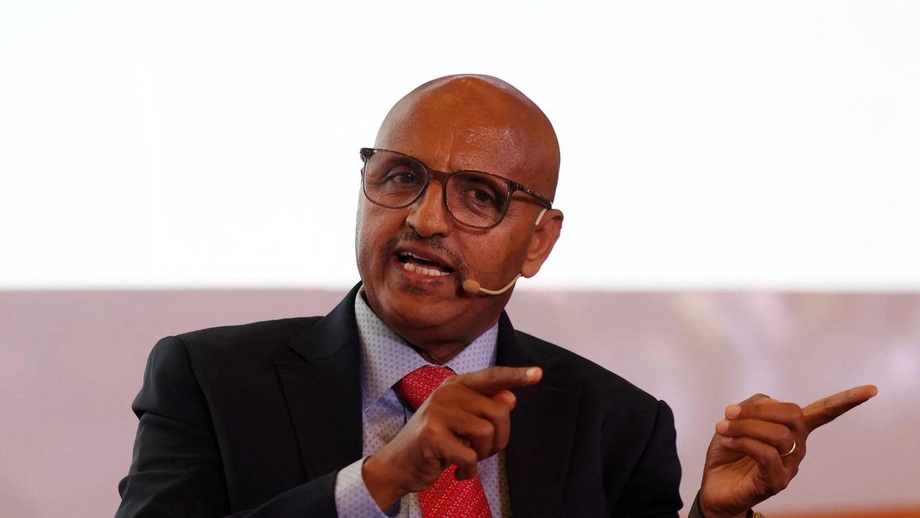
Air India is discussing more widebody aircraft orders with Airbus and Boeing while trying to reverse a consolidated annual loss of 222.38 billion rupees. Chief executive and managing director Tewolde Gebremariam outlined the twin priorities at the Aviation India and South Asia summit in New Delhi on November 3, 2026: win back international passengers and bring the cost of carrying them below the revenue they generate.
Contents
- A bigger international fleet, an urgent financial repair
- What the aircraft numbers mean
- Why the losses demand more than expansion
- Mumbai gains weight as Delhi faces detours
- Winning Indian travellers comes first
- Two airline brands, different growth opportunities
- Cost teams look beyond the flight schedule
- A long transformation meets a growing airport market
- Key Points
The airline already has commitments covering 80 widebody aircraft, including about 10 delivered, and operates 61 such jets. Gebremariam said its international ambitions require more. Widebody aircraft have two passenger aisles and generally provide the capacity and range needed for flights between India and distant markets such as North America and Europe.
Gebremariam described the reason for seeking additional aircraft:
We want to increase our widebody order. Our network and strategy demand more widebodies.
The expansion effort comes alongside a review of where those aircraft should fly. Air India is considering a greater concentration of Europe and North America services at Mumbai, growth towards Asia and Australia from Delhi, and Bengaluru as a third hub. Pakistan's airspace closure has made several routes from Delhi longer and more expensive.
Air India and Air India Express lost 22,238 crore rupees in the financial year ending March 2026, compared with 10,859 crore rupees a year earlier. One crore equals 10 million rupees. The figures mean the annual loss increased by about 105%, placing pressure on management to improve earnings even while it prepares for expansion.
Gebremariam expressed confidence that profitability would come soon, while shareholders Tata and Singapore Airlines are supporting a much longer transformation. For passengers, the strategy could change both the range of direct flights available and the Indian airports through which they connect.
What the aircraft numbers mean
Air India's existing widebody commitments comprise 50 Airbus A350s, 20 Boeing 787s and 10 Boeing 777Xs. With roughly 10 delivered, nearly 70 remain outstanding. Any new agreement would add to that programme.
The broader aircraft purchasing programme has reached 600 jets, including aircraft with a single aisle. Around 540 remain to be delivered. Air India's operating fleet is reported at 171 aircraft, including its 61 widebodies; that fleet includes older aircraft as well as arrivals under the new orders.
The purchasing history shows how the programme has expanded:
- January 2022: Air India returned to Tata ownership, beginning its current transformation.
- February 2023: The airline placed orders for 470 Airbus and Boeing aircraft.
- December 2024: Additional commitments brought the A350 total to 50 and the orders announced during 2023 and 2024 to 570 aircraft.
- January 2026: Another 30 Boeing 737 MAX aircraft increased the total purchasing programme to 600.
- November 3, 2026: Gebremariam confirmed discussions about further widebody purchases.
Gebremariam did not disclose the number or types of additional aircraft sought, a purchase timetable, a numerical cost reduction target or a date for profitability. The immediate decisions concern both future fleet size and how to make better use of aircraft already available.
Why the losses demand more than expansion
Air India's central financial problem is that the cost of providing its flying capacity exceeds the revenue earned from that capacity. Gebremariam described this using two airline measures: cost per available seat kilometre, or CASK, and revenue per available seat kilometre, or RASK.
An available seat kilometre means one seat offered for travel over one kilometre, whether someone buys it or not. Dividing costs and revenue by the same measure helps an airline compare the economics of a large network with different aircraft and route lengths.
Gebremariam set out the imbalance:
CASK for us is greater than RASK. Need to improve RASK.
Air India wants unit costs to fall at least to industry levels while improving passenger yields, meaning the revenue earned for the distance paying passengers travel. More passengers, better connections and a stronger mix of fares can help revenue, while shorter routes and less duplication can help costs.
The pressure continued into the next financial year. The group's consolidated loss exceeded 6,000 crore rupees in the first quarter of FY27, compared with more than 3,000 crore rupees a year earlier. Higher fuel prices, currency movements and airspace restrictions have complicated the effort to close the gap.
Mumbai gains weight as Delhi faces detours
Pakistan's airspace closure is directly influencing Air India's network planning. Flights from Delhi towards Europe and North America face greater disruption than comparable operations from Mumbai, making the western hub more attractive for some services.
Longer routes require more flying time and fuel. They also keep aircraft occupied for longer, reducing the time available to operate other services. Air India's proposal to concentrate more western flying at Mumbai therefore connects its growth strategy with its cost programme.
Delhi would continue serving Europe and North America, while potential growth would focus more heavily on Southeast Asia, East Asia and Australia. Those markets are less affected by restrictions to India's west.
Bengaluru is being evaluated as a third hub alongside Delhi and Mumbai. A hub brings arriving flights together so passengers can transfer to onward services. For travellers, a change of hub can alter connection times, the choice of departure airport and the convenience of reaching an overseas destination.
Air India's approach is to rebalance the network around operating conditions rather than distribute growth evenly. That could allow each airport to serve the routes where its location offers a stronger commercial advantage.
Winning Indian travellers comes first
Air India's immediate commercial priority is international travel to and from India. Foreign airlines, including Gulf carriers, carry substantial numbers of Indian passengers through their own hubs. Air India wants to recover more of that business with its own network.
Gebremariam described the order of priorities:
Right now, our immediate focus is to regain market share from the competition on India to the rest of the world.
India's diaspora is a central target. Winning those travellers requires useful destinations, convenient schedules, dependable connections and a competitive experience on board. The airline is also strengthening its overseas sales teams and places of sale to balance business generated in India with tickets purchased abroad.
Management says a broader sales base would help manage currency fluctuations. Airlines earn revenue in different markets while paying expenses in several currencies, so the location and currency of ticket sales matter alongside passenger numbers.
Air India also wants more passengers travelling between two foreign countries through India. That business would let its hubs serve journeys beyond the Indian market. Widebody capacity supports this ambition, but the connecting schedules must also work: a long wait or an awkward transfer can send a passenger towards a competing hub.
Two airline brands, different growth opportunities
Air India Express remains part of the expansion plan, although Gebremariam sees a potentially larger opportunity in Air India's full service international operations. The group intends to position Express for passengers seeking lower prices while moving Air India further upmarket.
Gebremariam explained where more growth might come from:
more growth may come from full service carrier widebody long haul
Air India's positioning covers domestic, shorter international and longer international services. Its effort to attract higher yielding passengers is tied to the wider transformation, which includes new aircraft, upgraded cabins, technology investment and improvements to customer service.
Both brands are expected to grow. The difference lies in the customers and journeys each is meant to serve. Air India Express provides a lower priced option, while Air India aims to compete for travellers willing to pay for a broader service.
The group has already reduced its airline structure from four carriers to two. Management now wants closer cooperation behind the scenes while preserving those different positions in the passenger market.
Cost teams look beyond the flight schedule
Air India established a team drawing staff from several departments in October to identify savings across the business. Gebremariam has urged a stronger focus on frugality and accountability, alongside the review of routes and aircraft deployment.
Corporate functions are another target. Air India and Air India Express are pursuing shared services, with consolidation examined in human resources, finance, information technology and engineering. The board has approved consolidation and further spending controls, giving the chief executive authority to act on expenditure and waste.
Sharing functions can reduce the need for two organisations to maintain parallel processes for similar work. Network changes address a different part of the cost base by improving where and how aircraft fly. Together, the measures show that the savings effort extends from office operations to international schedules.
Air India is also seeking about $1.5 billion from shareholders Tata Sons and Singapore Airlines. Tata holds approximately 75% of the airline and Singapore Airlines about 25%. Their financial support is important while the group absorbs losses and continues investing in its fleet and service.
Gebremariam described his urgency relative to the owners:
I am more impatient than the shareholders about profitability.
A long transformation meets a growing airport market
Gebremariam succeeds Campbell Wilson, who led the initial transformation after privatisation. The new chief previously headed Ethiopian Airlines for 11 years, during a period in which the carrier expanded internationally and Addis Ababa developed into a major connecting hub.
Air India's next phase builds on changes already made under Wilson, including a new brand identity, airline consolidation, aircraft orders, cabin refurbishment and technology investment. Management is seeking to turn that foundation into stronger financial performance.
Shareholders have backed a long investment horizon. At the summit, Gebremariam discussed transformation over 15 to 20 years while expressing a much more immediate desire for profitability. The two timescales describe different tasks: bringing the business into profit and completing a much broader rebuilding of its position in international aviation.
Airport operators are preparing for substantial growth as well. Adani Airports chief executive Arun Bansal projected Indian passenger traffic rising from around 300 million to between 1.1 billion and 1.2 billion by 2040 to 2045. Those figures represent roughly 3.7 to four times the current level.
Bansal said India needed three national carriers and argued that domestic airlines should build scale before a wider opening of international air service rights. Adani Airports plans to invest $10 billion to $11 billion over seven years and increase capacity across its network from around 100 million passengers to 300 million over the next decade.
Air India's proposed fleet growth fits within those expectations of a larger market. Its immediate challenge is more specific: make existing flights earn more than they cost, use its hubs more efficiently and convert demand for international travel into sustainable earnings.
Key Points
- Air India is discussing additional widebody orders with Airbus and Boeing beyond its existing 80 aircraft programme.
- The group's annual loss rose to 22,238 crore rupees in FY26, about 105% above the previous year.
- Management wants lower unit costs and higher revenue from its flying capacity.
- More Europe and North America services could operate from Mumbai, while Delhi pursues growth towards Asia and Australia.
- Bengaluru is being considered as a third hub.
- Air India and Air India Express are pursuing shared corporate functions while retaining different passenger markets.
- Gebremariam expects profitability soon but has set no deadline.