A stadium reunion with unfinished business outside the stage
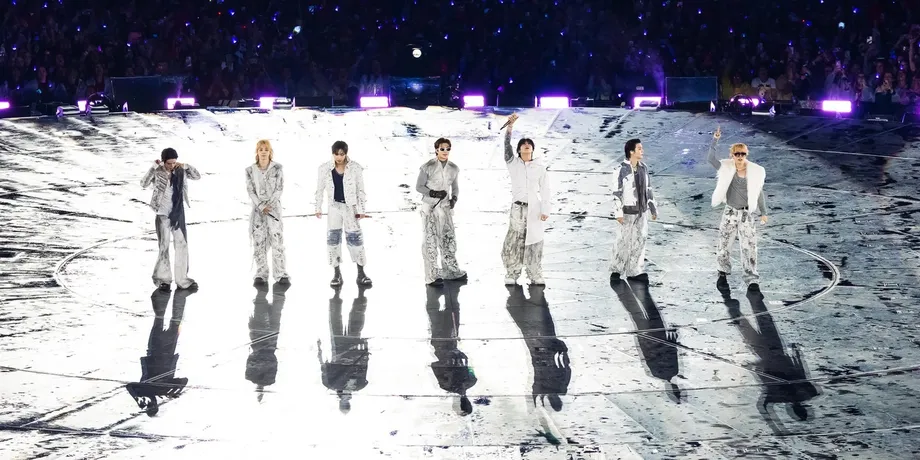
BTS returned to São Paulo on October 28, 2026, opening three sold out concerts at Estádio do MorumBIS after seven years away from Brazil. More than 1.9 million people had accessed the ticketing system, with estimated demand exceeding 3.7 million tickets. Inside the stadium, Jimin acknowledged the wait in Portuguese. Outside the performance itself, complaints about crowding, digital tickets and access brought fresh intervention from Brazil's consumer authorities.
Contents
- A stadium reunion with unfinished business outside the stage
- What the return means for Brazilian fans
- Korean architecture meets Brazilian Portuguese
- Why four screens became a consumer issue
- Opening night brings a second investigation
- What authorities want from the companies
- Transport preparations meet a difficult journey home
- Fans take the welcome across the city and into cinemas
- The dates that shaped the Brazilian concerts
- Key Points
Jimin, one of the group's seven members, addressed the opening audience with a promise to make the reunion count:
A gente levou 7 anos pra voltar pra São Paulo de novo. Então, vamos fazer um show incrível!
His message meant: "It took us 7 years to return to São Paulo, so let's put on an incredible show!" The greeting made a vast stadium event feel personal, connecting the group's return to the patience of its Brazilian fan community, known as ARMY.
The remaining concerts were scheduled for October 30 and 31. Before those performances, the National Consumer Secretariat, or Senacon, demanded answers from promoter Live Nation Brasil and ticket seller Ticketmaster Brasil within 24 hours about problems reported on opening night.
Live Nation said the October 28 concert stayed within its authorized audience capacity and that everyone holding an official ticket was admitted. Fans described crowded passageways, confusing queues and difficulty entering and leaving the venue. Those competing accounts placed the practical experience of attending the concerts alongside the celebration of BTS's return.
What the return means for Brazilian fans
The ARIRANG tour follows a four year interruption associated with the members completing South Korea's mandatory military service. For RM, Jin, Suga, J-Hope, Jimin, V and Jung Kook, the Brazilian dates also brought the final stretch of a Latin American journey through Colombia, Peru, Chile and Argentina.
The production prioritizes music from the Arirang album while retaining older hits. Across the tour, the set has largely followed a consistent structure, with two surprise songs changing each night. That gives repeat audiences something different without replacing the central concert.
The estimated demand of more than 3.7 million tickets helps explain the intensity surrounding the three São Paulo dates. Ticketing demand and audience attendance measure different things: people can seek several tickets, and visits to a sales system count interest rather than seats occupied. The figures describe the scale of the rush to buy.
Fans also maintained connections with individual members during the years between visits. Jimin's solo song Who spent 13 weeks on Billboard's Brazil Hot 100, illustrating how his music continued reaching Brazilian listeners before the group returned together.
Korean architecture meets Brazilian Portuguese
The stage placed spectators around BTS rather than entirely in front of them. Its central pavilion drew inspiration from the Korean jeongja, a traditional pavilion, and Gyeonghoeru Pavilion at Gyeongbokgung Palace. The design turned architectural references from Korea into the shared center of a stadium gathering.
Elements inspired by the Taegeukgi, South Korea's flag, appeared beneath the performers. Extended runways radiated outward in a layout informed by the flag's four trigrams, known as Geongongamri. These are groups of lines that form part of the flag's symbolism.
V, another BTS member, brought a distinctly Brazilian register to his greeting. He praised the audience using Portuguese slang:
ARMY ARRASA! Papo reto, vocês são os melhores!
The message meant: "ARMY rocks! Real talk, you guys are the best!" Alongside Jimin's acknowledgment of the seven year absence, it gave Brazilian fans an exchange specific to their city within a production traveling across continents.
Why four screens became a consumer issue
Procon-SP, São Paulo state's consumer protection agency, recorded 518 complaints concerning Live Nation's BTS concerts between January and October 21. Of those, 460 concerned the concert structure, about 89% of the total.
Consumers told the agency that concerts in Asia, Europe and North America had used 12 screens, compared with four central screens in the South American configuration. Fans in upper seating sections were particularly concerned about seeing the performance from far away.
A stage surrounded by spectators and screens facing every side address different parts of the viewing experience. The stage determines where the performers can move; screens allow people at a distance to follow faces, gestures and choreography. Screen size, position and the angle from each seating section therefore matter alongside the stage map.
Procon-SP notified Live Nation on October 22 and set an October 23 response deadline. It requested the number, dimensions, technology and placement of screens, comparisons with productions elsewhere, ticket advertising and the technical project submitted to municipal authorities. It also asked about measures for spectators with disabilities or limited vision.
Live Nation attributed the regional configuration to logistical and scheduling constraints. The company said four LED screens on the central tower faced all sides of the stadium, while the central stage and four extensions matched the layout released when tickets went on sale in April. It also said the São Paulo production would follow the format used elsewhere in South America and that announced dates, sections and the event map remained unchanged.
Opening night brings a second investigation
Senacon's involvement began before the first Brazilian concert. On October 23, the federal consumer authority requested documents from Live Nation and Ticketmaster about the production and information given to buyers, allowing five days for a response, including holidays.
Ricardo Morishita, head of Senacon, described the issue as one of ticket sales and clear information about the stage:
The issue is the way the tickets were sold and the information about the stage structure being provided. Consumers have the right to receive transparent, accurate, and clear information.
After the October 28 show, the authority sought further explanations within 24 hours about access, crowd management and ticketing. Fans reported long and disorganized queues, inadequate signs, difficulty finding their way, crowding and failures in the delivery or validation of digital tickets.
Gate 17 reportedly closed at about 6:40 p.m. and reopened roughly an hour later. People with valid tickets described being held outside during rain. Live Nation said localized problems at the gate had been resolved and maintained that all official ticket holders were able to enter.
Luana Kopke, a digital influencer who attended from the stands, described people occupying corridors and access routes because seating space appeared insufficient. Other attendees made similar complaints about crowded passages. Senacon requested records that would allow it to compare the number of people admitted with the approved capacity and examine how entry was managed.
What authorities want from the companies
Live Nation was asked to provide the fire department inspection certificate, permits, other licenses and documents assigning responsibility for installed structures. Senacon also sought the total number of tickets issued for each date and section, including complimentary tickets, credentials and a batch released close to the concerts.
The additional batch became a specific focus of the inquiry. Authorities wanted to know when it was released, how many tickets it contained and how those sales related to the maximum authorized audience.
Ticketmaster was asked for sales and issuance figures by date, section and sale category, along with the number of tickets validated at turnstiles. Senacon also requested details of digital ticket failures, affected customers, complaints, refund requests and the measures intended to prevent similar problems at the remaining shows.
Live Nation was required to explain the Gate 17 closure, identify how many valid ticket holders had their entry delayed or prevented, and describe assistance or compensation offered. Its access, queue management and security plans were also requested.
No final regulatory finding, complete attendance total or detailed company response to these requests had been announced in the account published on October 29. The immediate deadline was the new demand for answers within 24 hours, ahead of the remaining October 30 and 31 performances.
Transport preparations meet a difficult journey home
São Paulo's transport operation anticipated a substantial surge, with about 90,000 people expected at the stadium each night. That was an advance estimate of demand, while the actual number admitted was among the figures sought by Senacon.
Motiva, the operator of Metro Line 4-Amarela, kept boarding at São Paulo-Morumbi station open until 12:30 a.m. and deployed reserve trains and extra staff. SPTrans assigned 13 bus routes to serve concert audiences across the three dates.
São Paulo-Morumbi station is about 1.5 kilometers from the stadium. The operator recommended buying the return ticket in advance. Connections through Luz, República and Pinheiros linked concert traffic to other major rail lines.
Despite the preparations, fans described waiting more than three hours to board after the concert. They also reported that one station entrance had closed, concentrating people along a single avenue. The complaints extended the night's organizational difficulties beyond the stadium gates.
Line 4's recorded benchmark helps put the transport demand in perspective. Its record since the pandemic was 770,821 boardings on May 14, 2025, when a São Paulo football match at MorumBIS and a System of a Down concert at Interlagos coincided. Pinheiros alone recorded 127,275 boardings that day. No comparable total for the BTS opening night was given.
Fans take the welcome across the city and into cinemas
Jimin's supporters planned six advertising buses to circulate in São Paulo for 30 days, plus advertisements on 38 screens at Tietê Road Bus Terminal from October 27 to 31. A banner measuring 45 meters was planned for the stadium gates.
Birthday messages for Jimin, whose birthday is October 13, were scheduled at bus stops near MorumBIS from October 22 to November 4. The projects extended the welcome beyond the concert dates and into spaces used by commuters and arriving visitors.
Fans outside São Paulo also had a way to participate. Cinema screenings titled BTS World Tour 'Arirang' in São Paulo: Live Viewing were scheduled for October 30 and 31 in Belo Horizonte and its metropolitan area.
Participating venues included Pátio Savassi, Diamond Mall, BH Shopping, Partage Shopping Betim, Shopping Estação BH, Boulevard Shopping, Minas Shopping, Shopping Del Rey and Shopping Cidade. The screenings followed a live broadcast from Buenos Aires on October 24 and another cinema session the following day.
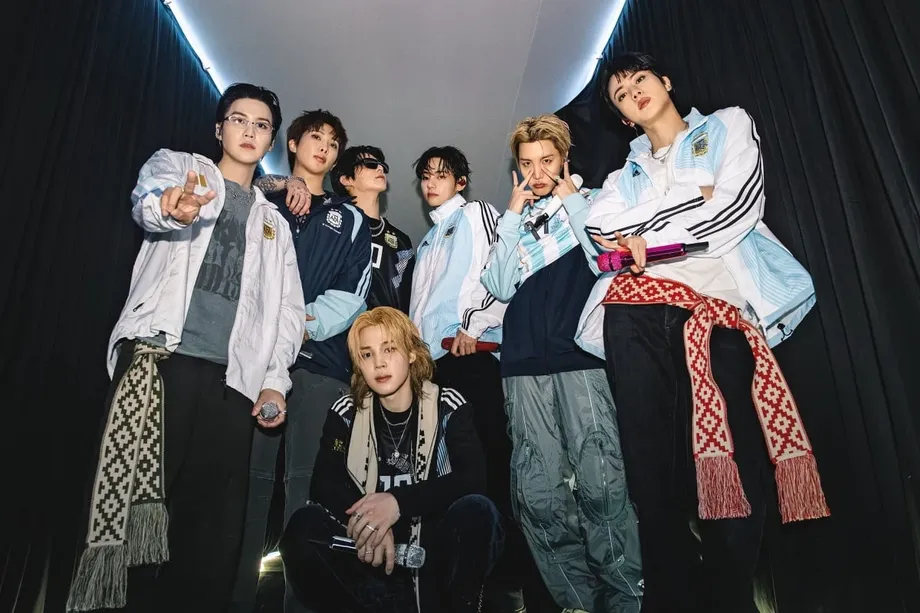
São Paulo's welcome followed gestures elsewhere in Latin America. In Lima, BTS wore traditional Peruvian ponchos and chullos, while the Santiago de Surco district temporarily renamed Calle Sacramento as Avenida BTS. In Buenos Aires, the members wore Lionel Messi's No. 10 Argentina jersey, joined fans in singing the football anthem Muchachos and received the City Council's Guests of Honour designation.
The dates that shaped the Brazilian concerts
The celebration and the consumer inquiries developed together during the final weeks of October. The sequence shows how concerns about advance information expanded into questions about what happened at the first concert.
- October 19: Live Nation said São Paulo would use the same production format as the other South American dates.
- October 21: Procon-SP's complaint count reached 518, including 460 concerning concert structure.
- October 22: Procon-SP notified Live Nation and requested production and accessibility documents by the following day.
- October 23: Senacon requested documents from Live Nation and Ticketmaster, allowing five days for a response.
- October 28: BTS opened its São Paulo concerts; fans reported entry problems, crowding and transport delays.
- October 29: A further Senacon demand sought explanations about opening night within 24 hours.
- October 30 and 31: The remaining MorumBIS concerts and cinema broadcasts were scheduled.
For ticket holders returning to MorumBIS, the immediate concerns were concrete: receiving a working ticket, finding the correct entrance, moving through the venue, seeing the performance and getting home. Those practical needs now sat beside the emotional significance of sharing a stadium with BTS again.
Key Points
- BTS opened three sold out São Paulo concerts on October 28, returning to Brazil after seven years.
- Jimin and V addressed Brazilian fans in Portuguese during a production incorporating Korean architectural and flag references.
- Procon-SP recorded 518 complaints through October 21, with 460 concerning concert structure.
- Senacon sought documents about screens and ticket information before the concerts, then demanded answers about opening night access, capacity and digital tickets.
- Live Nation said the first show stayed within authorized capacity and all official ticket holders entered.
- The remaining concerts were scheduled for October 30 and 31, with cinema broadcasts in Belo Horizonte and nearby cities.