RM282.07 billion in exports masks a divided trade picture
Malaysia exported RM282.07 billion worth of goods to the United States between January and September 2026, an increase of 69.1%, as demand linked to artificial intelligence and data centres lifted electronics sales. Yet furniture, medical devices and rubber gloves all recorded declines in the same market, exposing a sharp divide between industries benefiting from tariff exemptions and those facing additional costs.
Contents
- RM282.07 billion in exports masks a divided trade picture
- Why electronics carry so much weight
- How the tariff decisions unfolded
- Furniture and medical devices face the largest losses
- Glove makers find growth beyond the US
- Medical device and furniture exporters widen their reach
- What smaller businesses can draw on
- Europe offers another route for trade and investment
- Investment incentives shift towards results
- Key Points
Total trade between the two countries, which includes goods moving in both directions, rose 39.6% to RM378.70 billion. Investment, Trade and Industry Minister Datuk Seri Johari Abdul Ghani gave the figures in a written parliamentary reply on October 27 to Gombak MP Datuk Seri Amirudin Shari, who asked how US tariffs were affecting Malaysian industries and what alternative markets smaller businesses could enter.
The Ministry of Investment, Trade and Industry, known as MITI, identified strong demand for electrical and electronic products, particularly semiconductors, as the main export driver. Most Malaysian semiconductor and electrical and electronic products remained exempt from additional US tariffs, giving the country's largest export category an advantage.
Johari described the demand behind the increase in his parliamentary reply:
This strong export performance was driven mainly by a surge in demand for electrical and electronics (E&E) products, particularly semiconductors, following the rapid development of artificial intelligence (AI) technology and data centres.
For manufacturers outside that protected group, access to American buyers has become more expensive. MITI said some industries were absorbing tariff costs or offering discounts to keep their products competitive and preserve sales.
Why electronics carry so much weight
Electrical and electronic products accounted for about 64.2% of Malaysia's exports to the United States. Semiconductors represented 44% of those electronics exports. Chips are the components that process, store or control information in computers and other equipment, making them central to the computing infrastructure used for AI.
Applying those shares to the RM282.07 billion export total puts electrical and electronic shipments at approximately RM181.09 billion. Semiconductors would account for about RM79.68 billion, or 28.2% of all Malaysian goods exported to the US. These calculations use MITI's rounded shares and show why changes in electronics demand have such a large effect on the national total.
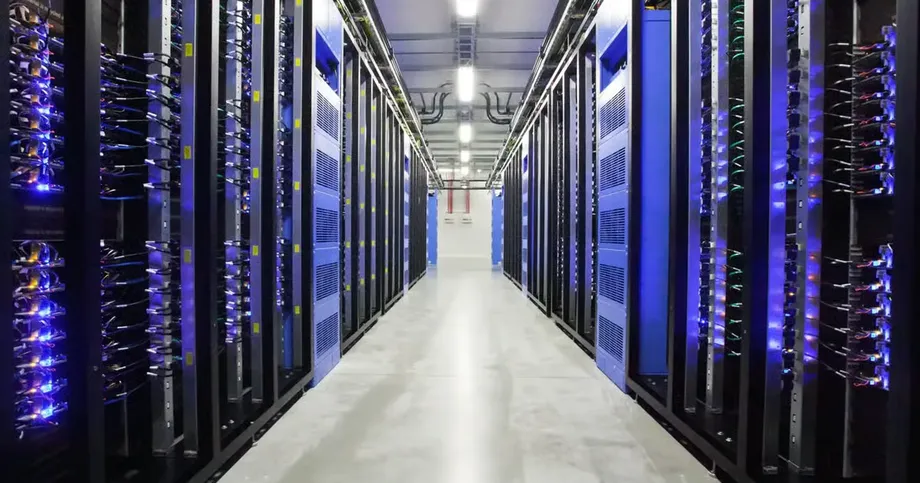
Data centres house the computing equipment needed to store information and run digital services. As AI development expands demand for computing capacity, it also creates demand for the chips and electronic equipment used in those facilities. MITI linked Malaysia's export surge directly to that growth.
Johari also connected the tariff exemptions to the role Malaysian electronics play in American production networks. In his written reply, the minister said:
This decision by the US underscores the reliance of the US supply chain on the E&E sector.
How the tariff decisions unfolded
The United States imposed an additional 10% tariff on nearly all Malaysian exports on July 24 following a Section 301 investigation into forced labour allegations, while most semiconductor and electronics products received exemptions. Section 301 is a US trade law mechanism used to investigate foreign practices and take trade action in response.
The main dates connect Malaysia's export performance with the policy decisions affecting it:
- March 1, 2026: Malaysia introduced its New Incentive Framework for manufacturing investment.
- July 24, 2026: The US imposed an additional 10% tariff following the forced labour investigation.
- September 30, 2026: The nine months covered by the export figures ended.
- October 13, 2026: Johari said Malaysia had received no indication that Washington would impose tariffs on Malaysian semiconductors.
- October 27, 2026: Johari's parliamentary reply detailed export growth, sector declines and alternative markets.
Johari said on October 13 that discussions under Section 301 covered forced labour, excess production capacity, environmental standards and government subsidies. He described Malaysia's forced labour rate as finalised at 10%, compared with 12.5% for other countries, and said 17 economies had received the 10% rate.
The tariff rate arising from the separate industrial excess capacity investigation had not been determined. Excess capacity means the ability to produce more goods than a market needs. Johari said Malaysia had no such excess capacity and argued that concerns associated with Malaysian exports could originate in third countries. Malaysia would seek the US list of countries involved.
Furniture and medical devices face the largest losses
Furniture exports to the United States fell 19.2% to RM3.77 billion in the first nine months of 2026, from RM4.67 billion in the corresponding period of 2025. That was the steepest percentage decline among the three exposed industries highlighted by MITI.
Medical device exports dropped 12% to RM8.74 billion from RM9.93 billion. Rubber glove exports fell 1.6% to RM5.0 billion from RM5.1 billion. The glove values are rounded, while the ministry's stated percentage decline reflects its underlying trade figures.
Using the published values, furniture exports lost about RM900 million and medical devices about RM1.19 billion in US sales. Together, those two categories lost approximately RM2.09 billion. Medical devices therefore recorded the larger loss in ringgit, even though furniture suffered the greater percentage fall.
The United States takes roughly 32% to 47% of Malaysia's exports in the rubber glove, furniture and medical device categories, according to Johari. Dependence on one destination for around a third to nearly half of exports leaves these industries exposed when that buyer market changes its trade rules.
MITI's sector analysis focused on products for which the US is a major market and which face additional tariffs without exemptions. For a manufacturer, absorbing a tariff cost or cutting its selling price means receiving less money from a sale unless other costs fall. Retaining an American customer can therefore come at the expense of earnings.
Glove makers find growth beyond the US
Malaysia's rubber glove exports increased in several other destinations during January to September 2026 compared with the same period a year earlier. Oman recorded the fastest growth among the markets listed by Johari, at 712%, followed by Brazil at 84.6% and Sweden at 80.8%.
Glove exports also rose 48.1% to Denmark, 43.7% to the Netherlands, 34% to Estonia and 18.4% to Canada. The gains spread across West Asia, Latin America, Europe and North America, giving manufacturers several destinations in which to expand sales.
The 712% increase means glove exports to Oman reached 8.12 times their earlier value. The ministry gave growth rates for these alternative markets rather than export values, so the amount of additional revenue available to replace lost US sales remains unknown. For businesses choosing where to expand, the size of orders matters alongside the speed of growth.
Medical device and furniture exporters widen their reach
Medical device exports to South Korea rose 206%, while shipments to Singapore increased 74.9%. Those figures mean sales to South Korea more than tripled and exports to Singapore grew by almost three quarters compared with the first nine months of 2025.
Other medical device markets also expanded: Sweden by 65%, Brazil by 59.1%, Türkiye by 43.9%, Canada by 26.6% and the United Kingdom by 5%. The range gives manufacturers opportunities both close to Malaysia and in more distant markets.
Furniture exporters recorded their strongest listed growth in Guyana, where shipments rose 586.1%. Exports increased 140% to Taiwan, 135.4% to Switzerland, 99% to Vietnam and 68.3% to New Zealand. Sales to Vietnam therefore almost doubled, while exports to Taiwan and Switzerland more than doubled.
Brazil, Sweden and Canada appeared among the growing destinations for both gloves and medical devices. The overlap identifies markets where more than one Malaysian industry was already increasing sales, rather than requiring every sector to start its search for buyers in a different country.
What smaller businesses can draw on
MITI said it was using signed free trade agreements to improve market access while exploring opportunities in West Asia, Africa, Latin America and South Asia. A free trade agreement sets rules between participating economies and can reduce tariffs or other barriers for qualifying goods.
The ministry also cited grants, incentives, and trade and investment missions as support for small and medium enterprises. Missions can bring companies into contact with potential customers, while financial support can help businesses pursue opportunities beyond their established destinations.
Amirudin's parliamentary question covered micro, small and medium enterprises, whose ability to maintain US sales was central to the discussion. MITI's response combined efforts to preserve existing access with efforts to build additional markets. Johari said the ministry would continue monitoring US trade policy and take measures to protect exporters and limit tariff costs.
Malaysia's challenge is concrete: electronics demand is lifting the national export total, while businesses selling furniture, gloves and medical devices need customers willing to buy at prices that cover their costs. Expanding the number of destinations gives those manufacturers more options when conditions change in their largest markets.
Europe offers another route for trade and investment
European business ties formed another part of Malaysia's effort to broaden its economic relationships. At EU-Malaysia Business Day 2026 in Kuala Lumpur on October 13, Johari discussed semiconductor exemptions and the requirements exporters must meet in overseas markets.
More than 550 EU companies operated in Selangor, generating annual revenue exceeding RM51 billion. The event was held alongside the Selangor International Business Summit, scheduled for October 14 to 17, and focused on areas including advanced manufacturing, the green transition, digitalisation and logistics.
EU Commissioner for International Partnerships Jozef Sikela said cooperation with Malaysia could strengthen and diversify the semiconductor ecosystem. He also pointed to resumed Malaysia-EU free trade agreement negotiations and Lumut Maritime Industrial City as opportunities for closer economic ties.
Johari said the EU imposed strict environmental requirements on trading partners. His message to exporters was that entering any market requires meeting its laws and conditions. Moving sales to another destination therefore involves learning that market's requirements as well as finding a buyer.
Investment incentives shift towards results
Malaysia is also changing how it assesses investment incentives. In a separate parliamentary reply to Bachok MP Mohd Syahir Che Sulaiman, MITI said the New Incentive Framework for services was being finalised after implementation for manufacturing began on March 1, 2026.
The framework moves tax incentives away from a system based on products and activities towards one based on project outcomes and economic impact. In simple terms, the government wants to give greater weight to what an investment delivers for the economy, including quality jobs, when deciding its tax treatment.
Mohd Syahir had asked about reforms to investment application assessments that would ensure greater economic value, particularly through employment. The services framework had no announced implementation date in the reply.
The export figures and incentive reform address different parts of Malaysia's economy. Stronger overseas sales bring business to producers, while investment assessments focus on the benefits projects generate within the country. Malaysia's current trade picture shows why both matter: rapid growth in a large export industry can coexist with falling sales and pressure on earnings elsewhere.
Key Points
- Malaysia's exports to the US rose 69.1% to RM282.07 billion in January to September 2026; total bilateral trade increased 39.6% to RM378.70 billion.
- Electrical and electronic products made up 64.2% of exports to the US, supported by AI demand and exemptions from additional tariffs on most products in the sector.
- US sales of furniture fell 19.2%, medical devices 12% and rubber gloves 1.6%.
- The US takes approximately 32% to 47% of Malaysia's exports in those three exposed categories.
- Alternative markets recorded growth, including Oman for gloves, South Korea for medical devices and Guyana for furniture.
- The tariff rate from the US industrial excess capacity investigation remained undecided.
- Malaysia was finalising its services incentive framework after introducing the manufacturing framework on March 1, 2026.