Eleven golds lead Hong Kong's best Asian Games campaign
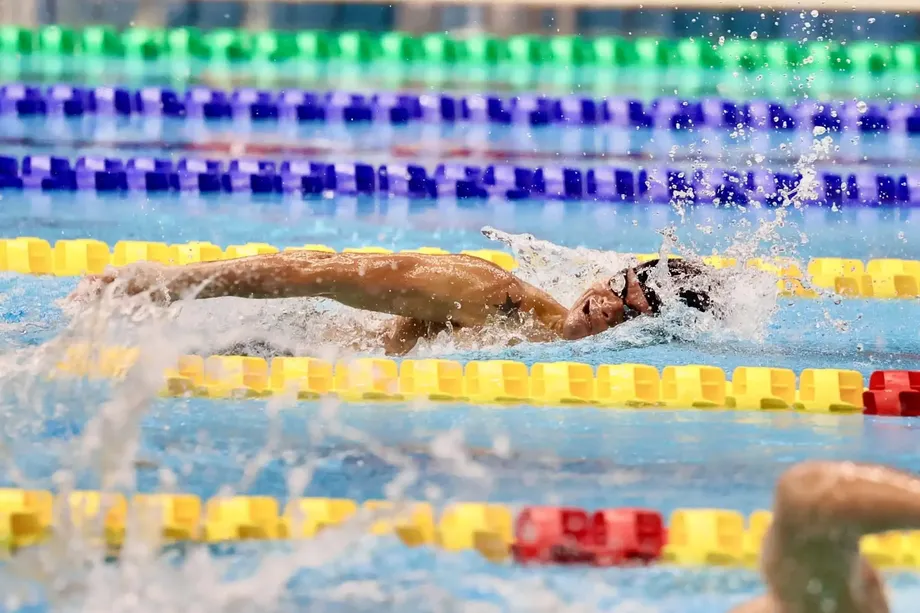
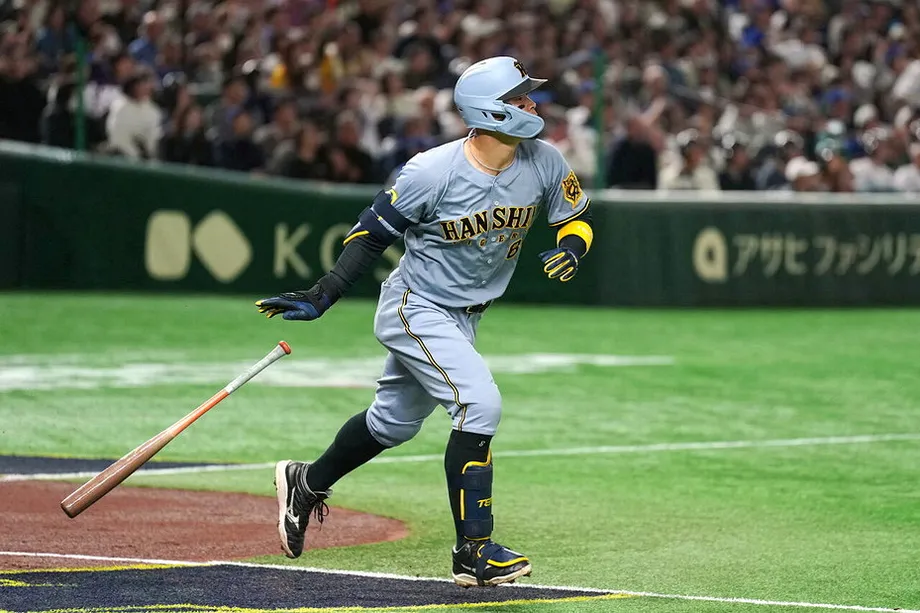
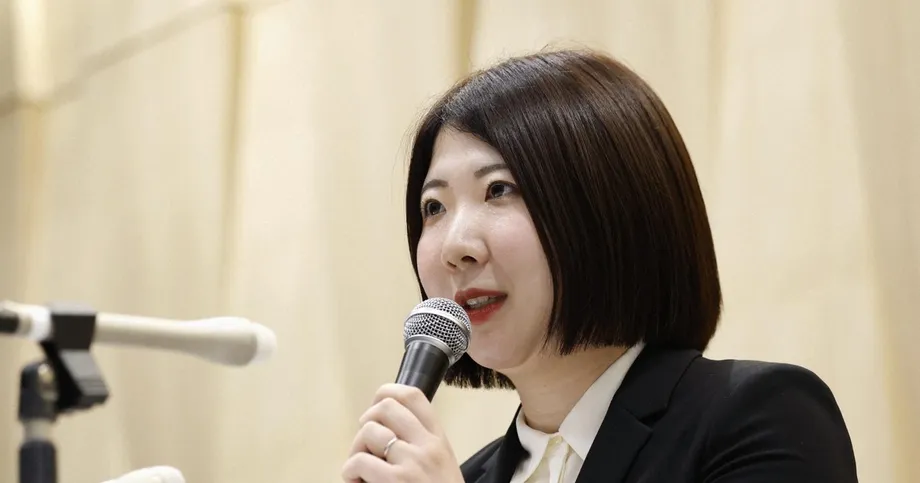
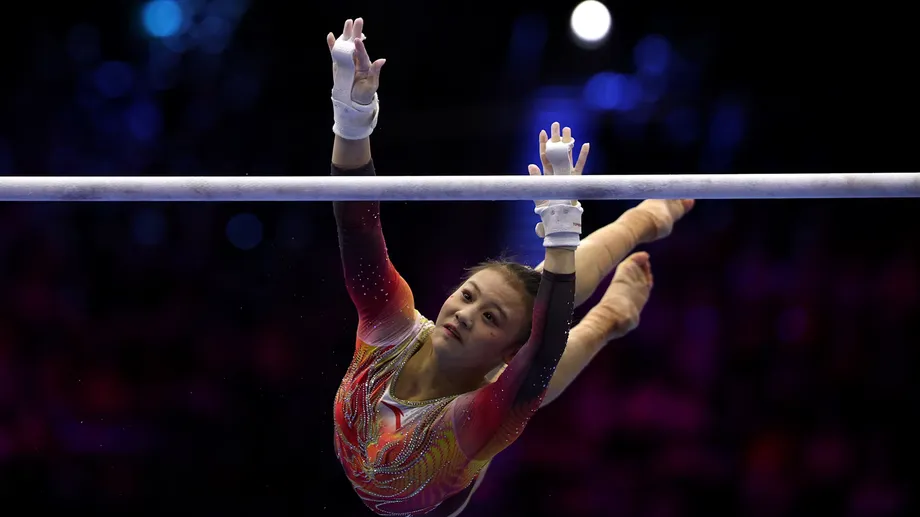
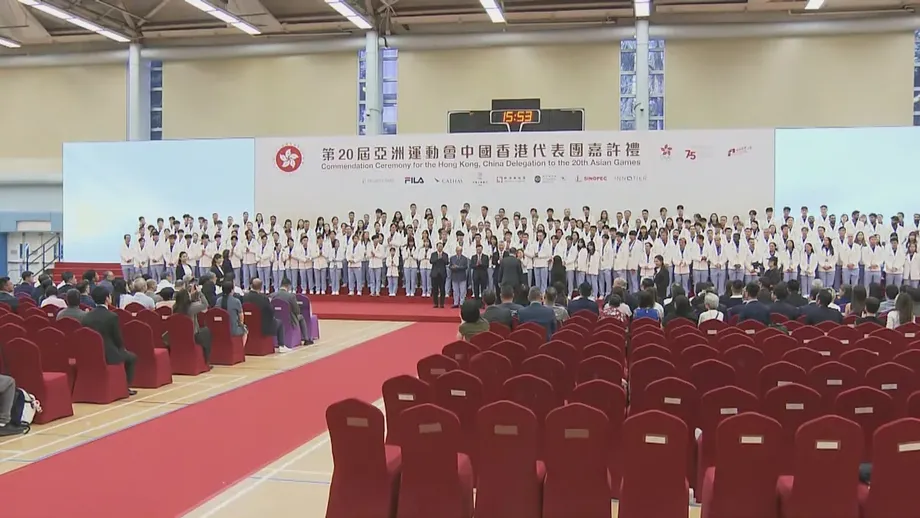
Hong Kong's athletes won a record 54 medals at the 20th Asian Games in Aichi-Nagoya, Japan, collecting 11 gold, 19 silver and 24 bronze as the city secured its best results at the competition. The government celebrated the delegation at Kowloon Park Sports Centre on October 26, with Chief Executive John Lee presenting certificates to medal winners.
Contents
- Eleven golds lead Hong Kong's best Asian Games campaign
- Three breakthroughs across very different sports
- Young champions join experienced competitors
- A rowing gold more than a decade in the making
- A fourth Games and a return after motherhood
- HK$8.1 billion for sports development
- What the promised funding increase means
- Cash awards rise to HK$37.5 million
- More than 800 people behind the campaign
- Key Points
The results included Hong Kong's first Asian Games gold in men's singles tennis, a third consecutive men's rugby sevens title and its first gold and silver sweep in squash mixed doubles. Both the gold medal count and the total number of medals reached new highs.
Lee paired the celebrations with a commitment to further spending. He said resources for sports development were expected to increase by a cumulative 20 percent over the next five years. Separately, the Hong Kong Jockey Club announced HK$37.5 million in awards for more than 110 medal winners, HK$5 million more than for the previous Asian Games in Hangzhou.
About 580 athletes competed across 38 sports, supported by more than 200 staff. Their achievements brought together teenagers winning their first major titles, experienced competitors reaching long pursued goals and a mother returning to elite competition.
Three breakthroughs across very different sports
Coleman Wong, born in 2004, delivered Hong Kong's first Asian Games men's singles tennis gold. His victory added a new title to the city's record in a sport where individual competitors must progress through successive matches to reach the final.
The men's rugby sevens team achieved a different kind of milestone: sustaining its success through three consecutive Asian Games titles. Rugby sevens uses seven players on each side, making it a smaller team format than the traditional game played with 15.
Hong Kong also took both gold and silver in squash mixed doubles for the first time. Each mixed doubles pair consists of a man and a woman. Taking the top two places meant Hong Kong secured both positions in the title match, rather than relying on a single pair to bring home a medal.
Lee also highlighted medals in rowing, sailing and windsurfing. Together, the results showed that the delegation's success extended across individual events, partnerships and team competition, rather than depending on one sport alone.
Young champions join experienced competitors
Seventeen year old Zhang Ziyue was among the youngest champions highlighted at the ceremony. She won gold in the youth women's iQFOiL windsurfing event, a discipline in which a foil beneath the board can lift it above the water as it gains speed.
Wong's tennis victory provided another example of athletes born in the 2000s reaching the top of their events. Wushu athlete Shen Xiaoyu, born in 2000, won Hong Kong's first gold of the Games.
Shen said she hoped her experiences and persistence would encourage younger athletes and pass on her love of wushu and determination to compete. Wushu is a competitive sport rooted in Chinese martial arts, requiring athletes to develop precise technique alongside physical strength and control.
Lee welcomed the emergence of younger competitors alongside experienced athletes. He said their performances demonstrated continuity in elite sport, with established team members competing beside newcomers. The medal winners' experiences also showed how different the route to a major title can be: some reached it as teenagers, while others needed several Asian Games campaigns.
A rowing gold more than a decade in the making
Rower Chiu Hin-chun won the lightweight men's single sculls title at his third Asian Games, completing a collection of gold, silver and bronze medals across three editions. In single sculls, one rower propels the boat using two oars. The lightweight category places limits on competitors' weight.
Chiu described rowing as a demanding combination of physical endurance and technical precision. His training began at 6am and often involved three sessions a day, a routine he compared with eating three meals daily.
His progression through the Games stretched across eight years:
- 2018, Jakarta: Chiu won an Asian Games silver medal.
- 2023, Hangzhou: He added bronze at the next edition.
- 2026, Aichi-Nagoya: He won lightweight men's single sculls gold in his third appearance.
Chiu thanked his head coach for supporting him through all three campaigns and the changes in fortune along the way. He said more than a decade of effort was difficult to describe in a few words, adding that both he and his coach were delighted to have finally secured gold.
A fourth Games and a return after motherhood
Karate athlete Tsang Yee-ting won silver in women's kumite under 50kg at her fourth Asian Games. Kumite is the sparring side of karate, in which athletes compete directly against an opponent, with weight categories grouping competitors of similar size.
Tsang returned to elite competition after the birth of her son. She said reaching four Asian Games was already difficult, while returning after becoming a mother had brought another major change to her sporting life.
Her son gave her greater strength to resume competing, she said. She described the medal as an Asian Games dream that she and her son had fulfilled together.
Tsang's silver and Chiu's gold gave concrete examples of the persistence Lee praised at the ceremony. The chief executive also commended athletes who continued to compete while recovering from injuries or facing opponents who had taken the lead.
HK$8.1 billion for sports development
Lee said about HK$8.1 billion had been allocated to sports development in the 2026-27 financial year. Accounts of his remarks put the increase from a decade earlier at about 70 percent, with one describing it as more than 70 percent.
About HK$1 billion was provided to the Hong Kong Sports Institute through the Elite Athletes Development Fund. That support included financial assistance and sports medicine services, helping athletes meet the costs of elite competition and access care connected with training and injuries.
The institute is central to the government's plans for developing elite athletes. Lee said Hong Kong's first five year plan and the latest Policy Address included measures for sports development, with the institute's training system intended to raise athletes' competitive standards.
The policy goals cover several parts of sport: developing elite competitors, hosting major events, building professional careers and expanding sports as an industry. For athletes, the most immediate commitments concern training, financial support and the services needed to prepare for competition.
What the promised funding increase means
Sports resources are expected to increase by a cumulative 20 percent over the next five years, Lee said. The announcement described growth across that period, rather than an increase of 20 percent every year.
The government did not provide a detailed annual spending schedule or a breakdown of how the additional resources would be divided among sports and services. Those decisions will determine how the commitment reaches athletes through coaching, training facilities, financial assistance and medical care.
Lee said the government would continue improving training and support so athletes could concentrate on competing. His remarks linked the medal celebrations to a continuing public commitment, rather than ending the discussion with the results in Japan.
He also said the athletes' determination could bring the community together, encourage more people to participate in sport and contribute to China's ambition to become a stronger sporting nation. Those were the broader goals he attached to the spending and the team's achievements.
Cash awards rise to HK$37.5 million
The Hong Kong Jockey Club will distribute HK$37.5 million to more than 110 medal winners through its Athlete Incentive Awards Scheme. Its chairman, Martin Liao, attended the commendation ceremony.
The total is HK$5 million above the amount awarded after the Hangzhou Asian Games. That puts the earlier total at HK$32.5 million, making the increase approximately 15.4 percent.
More athletes will receive awards than the delegation's 54 medals because a medal in a team or doubles event can involve several competitors. The awards therefore recognise individual members of successful teams as well as athletes who won individual events.
Jockey Club chief executive Winfried Engelbrecht-Bresges congratulated the delegation and praised the qualities its athletes had displayed:
Once again the Hong Kong, China Delegation showed our city's can-do spirit with an outstanding display of skill, resilience and true sportsmanship. Our sincere congratulations to every medallist on their success, which has truly inspired us all.
The club has supported both elite and community sports, including funding construction of the Hong Kong Sports Institute. The incentive awards provide a separate form of recognition for medal winners alongside the government's spending on training and wider sports development.
More than 800 people behind the campaign
The Hong Kong delegation numbered more than 800 people, including roughly 580 athletes and over 200 support and working staff. Competing across 38 sports required coordination well beyond the athletes appearing at competition venues.
Timothy Fok, president of the Sports Federation and Olympic Committee of Hong Kong, China, said the Games presented logistical challenges because events were spread across several cities. Accommodation, transport and competition venues were dispersed, making arrangements more complicated for the delegation.
Fok credited government support, the adaptability of the support teams and the athletes' determination with helping the delegation manage those demands. He urged competitors to retain their enthusiasm and perseverance for future international events.
The federation marked its 75th anniversary in 2026. Fok said seeing experienced athletes and younger competitors continue Hong Kong's sporting development was a source of pride.
Chief Secretary Eric Chan, Secretary for Culture, Sports and Tourism Rosanna Law and Liaison Office deputy director Sun Shangwu also attended the ceremony. Their presence, alongside Lee and sporting leaders, brought the athletes' achievements before senior officials responsible for the city's wider administration and sports policy.
Key Points
- Hong Kong won a record 54 Asian Games medals: 11 gold, 19 silver and 24 bronze.
- Breakthroughs included a first men's singles tennis gold, a third consecutive men's rugby sevens title and gold and silver in squash mixed doubles.
- About 580 athletes competed in 38 sports, supported by more than 200 staff.
- Lee said sports development received about HK$8.1 billion in 2026-27, with resources expected to rise by a cumulative 20 percent over the next five years.
- The Jockey Club announced HK$37.5 million in awards for more than 110 medal winners, approximately 15.4 percent above the Hangzhou total.
- Young champions joined experienced medal winners, including rower Chiu Hin-chun and karate athlete Tsang Yee-ting.