A 2028 target with limits on where cars can drive themselves
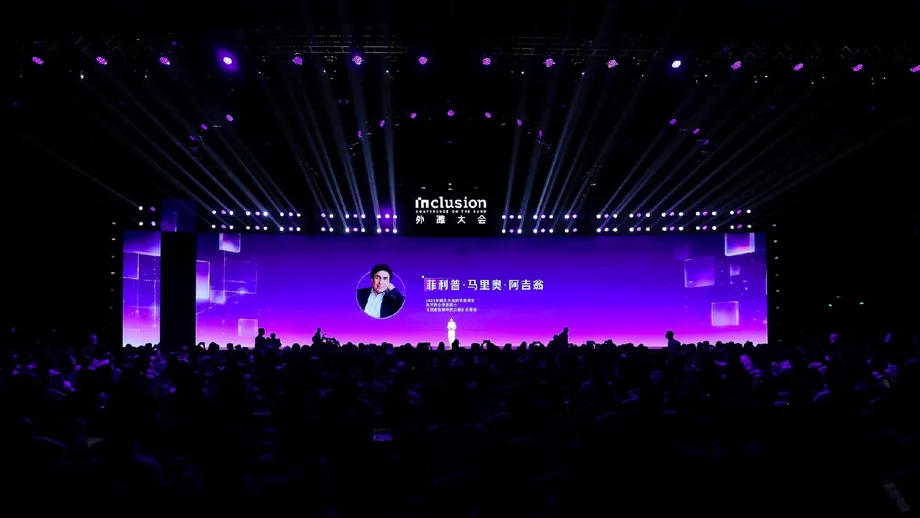
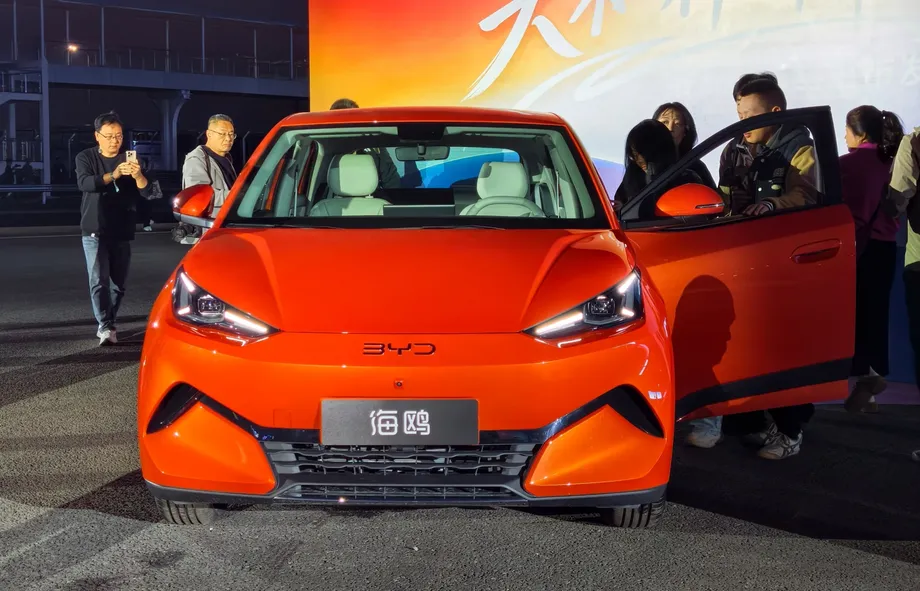
BYD expects to bring Level 3 conditional automated driving into mass production in 2028, senior vice president Yang Dongsheng said on October 21 at the 2026 World Intelligent Connected Vehicles Conference. More advanced automation could reach the market after another one to two years of development, putting that later ambition around 2029 or 2030 if the initial schedule holds.
Contents
- A 2028 target with limits on where cars can drive themselves
- What changes between L2 and L3?
- Trials come before wider availability
- The dates that shape BYD's timetable
- Safety rules will shape the product
- Millions of vehicles feed BYD's development
- Computing power is another part of the plan
- China's market is moving from assistance toward automation
- What the target means for buyers
- Key Points
Yang, who also heads BYD's Automotive New Technology Research Institute, said L3 remains in a pilot phase supported by several Chinese government departments. BYD hopes to use those trials to improve its technology before introducing it more widely.
The immediate target is driving automation within defined conditions. Those conditions could cover particular roads, speeds, weather or traffic situations. For buyers, the central change would be a vehicle that can take responsibility for the driving task while its L3 function is operating within its approved limits.
China's current approvals show how narrow that permission can be. The Changan Deepal SL03 and Arcfox Alpha S were identified as the only two models approved for L3 conditional automated driving, with operation restricted to designated cities, road sections and conditions.
BYD's announcement connects three developments: a large fleet already using driver assistance, government trials for more advanced systems, and a mandatory national safety standard scheduled to take effect on July 1, 2027. Turning those pieces into a product customers can use is the task behind the 2028 target.
What changes between L2 and L3?
Most automated driving features currently reaching Chinese buyers are Level 2, or L2. They can help steer and control speed, sometimes together, while the driver continuously supervises the road and remains responsible for driving.
L3 changes that arrangement within a defined operating area. The system performs the driving task and monitors its surroundings, but a person must remain available to take over when requested. A journey could therefore include periods of automated driving and periods when the person drives.
A takeover request becomes an important part of the experience. A vehicle approaching the end of an approved road section, for example, needs a way to return control to its driver. Detecting the driver's readiness and managing that transition are central safety requirements.
Level 4 allows a system to handle driving without human intervention within its permitted operating conditions. Level 5 extends the ambition to all conditions a human driver could manage. Yang described BYD's later goal as automation beyond the limited scenarios planned for its first L3 deployment. In technical terms, L4 can still have geographic or other operating limits.
Trials come before wider availability
Yang tied BYD's development schedule to the pilot program being advanced by multiple ministries and commissions. His comments place testing and technical improvement at the center of the company's preparations.
BYD already holds an L3 road testing license. That permission allows testing, while commercial deployment requires the relevant product and operating approvals. For consumers, the practical issue is which functions a purchased vehicle is authorized to use, and where.
The restrictions attached to the Deepal SL03 and Arcfox Alpha S illustrate that process. Approval applies to specified operating environments, so a vehicle's automated function may be available on one road and unavailable on another.
BYD has not identified a first production model, launch price, initial approved routes or an exact release date within 2028. Those details will determine how many customers can use the technology and how much of their regular travel it can cover.
The dates that shape BYD's timetable
BYD's target sits alongside a sequence of hardware announcements, fleet disclosures and regulatory milestones. The company is preparing technology ahead of its proposed production launch, while China develops the rules under which more advanced systems can operate.
- May 2026: BYD introduced its Xuanji A3 automotive computing chip, which it says supports L3 and L4 systems.
- August 2026: China's first mandatory national safety standard for L3 and L4 automated driving systems was released.
- October 15, 2026: BYD said more than 3.95 million vehicles equipped with driver assistance were in use.
- October 21, 2026: Yang outlined the 2028 L3 production target at the World Intelligent Connected Vehicles Conference.
- July 1, 2027: The mandatory safety standard is scheduled to take effect.
- 2028: BYD aims to introduce L3 conditional automated driving in production vehicles.
- Around 2029 to 2030: More advanced automation could follow if development takes the additional one to two years Yang described.
The sequence leaves a period between the scheduled start of the safety standard and BYD's intended launch. The later automation target depends on progress after L3 deployment, making it a development forecast rather than a fixed release date.
Safety rules will shape the product
China's mandatory national standard covers safety requirements for automated driving systems in L3 and L4 intelligent connected vehicles. Its scheduled implementation on July 1, 2027 gives manufacturers a common regulatory milestone as they move through trials.
Driver monitoring and takeover arrangements are especially consequential at L3. A system must recognize when it is approaching the limits of its operating conditions, communicate with the person expected to resume driving and manage the transition safely.
Responsibility also changes when the system takes over the driving task. At L2, the driver supervises continuously. At L3, the legal assessment of an incident can involve the manufacturer's obligations, whether the system was operating within its approved conditions, and whether the driver responded to a takeover request.
For owners, those rules will affect everyday decisions: when they may activate the function, what attention they must maintain and what they must do when the vehicle asks them to drive. Product approval, operating instructions and applicable law will define those obligations.
Millions of vehicles feed BYD's development
BYD said on October 15 that more than 3.95 million vehicles equipped with driver assistance were in use. Its God's Eye system was generating more than 240 million kilometers of driving data each day, according to the company.
That fleet gives BYD material for developing software across many roads and traffic situations. Repeated encounters with merging vehicles, complicated junctions and changing road layouts can help developers identify where a system needs improvement.
Unusual situations are particularly valuable because they appear less frequently during ordinary testing. Developers need ways to find those events in large volumes of data, check what happened and assess how updated software responds.
BYD also says its driving assistance that operates without high definition maps covers 300 cities and has accumulated 120 million kilometers of actual driving. That figure describes a particular capability, while the daily 240 million kilometer figure describes the company's broader data flow. Each measures a different part of its development effort.
Computing power is another part of the plan
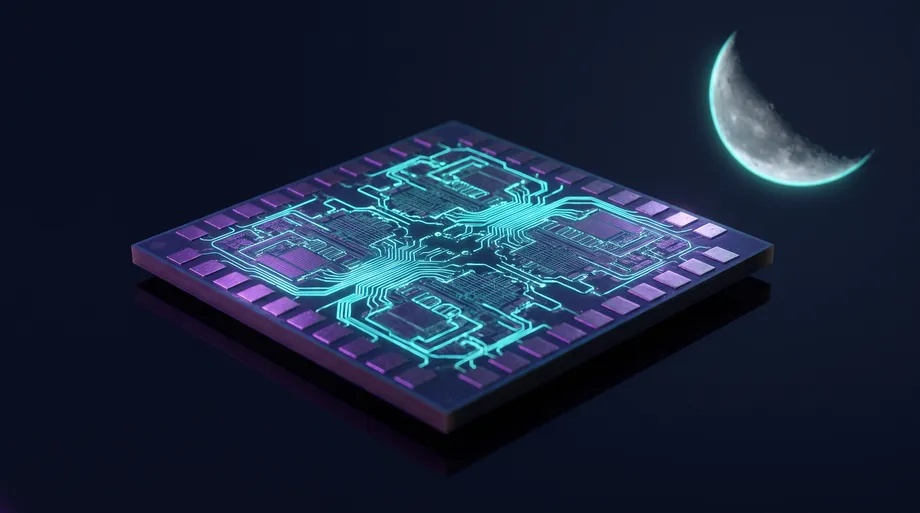
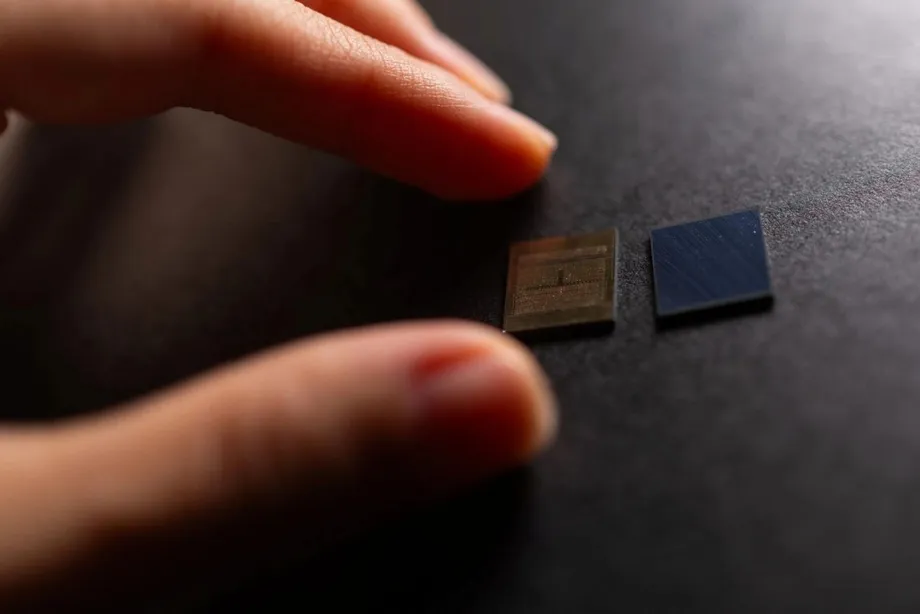
BYD's Xuanji A3 chip, introduced in May 2026, is described by the company as an automotive chip made using a 4 nanometer manufacturing process and designed to support L3 and L4 automation.
A configuration using three A3 chips provides more than 2,100 TOPS, according to BYD. TOPS means trillions of operations per second, a measure of computing capacity used for tasks such as processing sensor information and running driving software.
BYD also claims power consumption per unit of computing performance is 20% lower than comparable products. Computing efficiency matters inside a car because processors require electricity and cooling while responding quickly to the road around them.
The company's preparations extend beyond chips. Its described approach includes cameras and lidar, which measures distance using laser light, alongside monitoring systems and a driving data recorder. These components help a vehicle detect its surroundings and preserve information about how the system operated.
BYD has also described liability insurance coverage of 5 million yuan alongside its driving assistance technology. The protection available to an individual owner depends on the policy's coverage and conditions, as well as the circumstances of an incident.
China's market is moving from assistance toward automation
Wan Gang, honorary chairman of the China Association for Science and Technology, said at the conference's opening ceremony that more than 70% of new passenger vehicles sold in China in the first half of 2026 had L2 driver assistance.
Wan expects that share to exceed 95% by 2030. In simple terms, his forecast moves from more than seven in every ten new passenger vehicles to more than nineteen in every twenty.
For L3, Wan forecast a market share above 35% by 2030. BYD's proposed 2028 launch would place it within the final two years before that forecast date, when manufacturers would need to move beyond small trials to reach a much larger customer base.
China has opened 57,000 kilometers of roads for testing, issued more than 20,000 test and demonstration licenses, and accumulated more than 220 million kilometers of automated driving tests. Those figures describe the country's testing network and activity, while BYD's fleet disclosures describe company data collection across existing vehicles.
What the target means for buyers
BYD's 2028 ambition points to a change in what a car may legally and technically do for its occupants. The benefit will depend on how closely approved operating conditions match a customer's journeys, whether that means a regular motorway commute or another specified route.
A system limited to selected roads could still cover a useful portion of a trip. Drivers would need to understand where automated operation begins and ends, and remain ready for the responsibilities attached to L3.
BYD's large fleet, computing hardware and participation in trials give it several foundations for development. The next concrete milestones are the July 2027 safety standard and the company's planned 2028 production introduction. Approval scope and the first vehicle's operating limits will define the experience customers actually receive.
Key Points
- BYD targets mass production of L3 conditional automated driving in 2028.
- Yang Dongsheng said more advanced automation could follow after another one to two years of development.
- L3 operates within defined conditions and requires a person to be available for takeover requests.
- China's mandatory safety standard for L3 and L4 systems is scheduled to take effect on July 1, 2027.
- BYD says more than 3.95 million vehicles with driver assistance are in use, generating over 240 million kilometers of driving data daily.
- The first BYD production model, price and approved operating routes have yet to be announced.