India gets Apple Pay with a narrow starting line
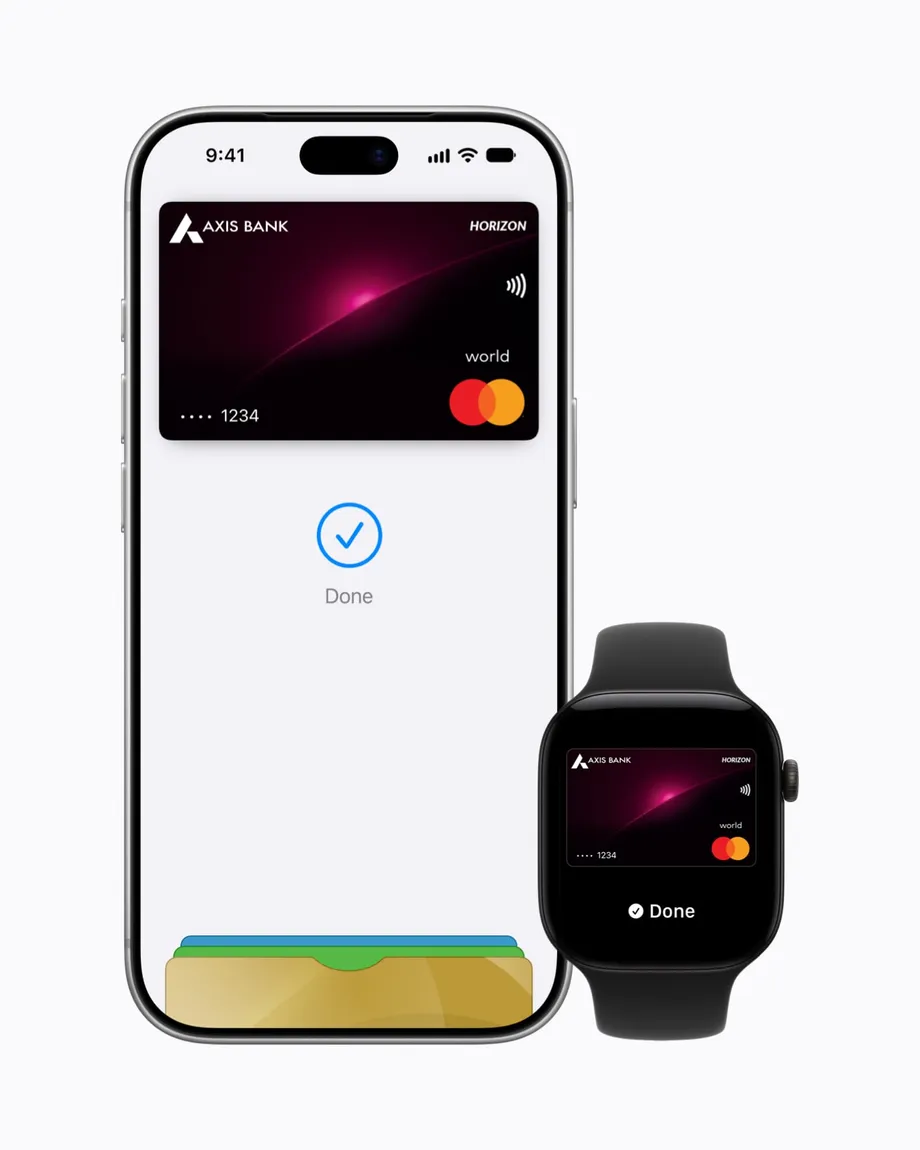
Apple Pay launched in India on September 30, 2026, with support for eligible Axis Bank credit cards on the Visa and Mastercard networks. Customers can add those cards to Apple Wallet and use supported Apple devices to pay at contactless terminals, inside participating apps and on websites that accept Apple Pay.
Contents
- India gets Apple Pay with a narrow starting line
- Which cards and devices qualify?
- How to add a card and make a payment
- Where customers can use it
- What tokenization changes at checkout
- UPI and competing wallets still cover different needs
- The credit card bill stays the same
- Travel convenience depends on the card and merchant
- What the first version leaves out
- Key Points
Apple's India launch announcement, dated September 30, 2026, confirms availability from that day on iPhone, iPad and Apple Watch for customers with Axis Bank-issued Visa and Mastercard credit cards, with Mac support coming soon.
Axis Bank says it is the first Indian bank to offer the service. Its Apple Pay launch announcement describes availability expanding across stores, apps and online merchants over the following few weeks, with Mac support coming soon. The launch therefore combines immediate card enrollment with a payment rollout that will continue after announcement day.
The first beneficiaries are people who already hold a supported Axis Bank credit card and use compatible Apple devices. They gain another way to spend on that card, with its existing rewards and billing arrangements. Customers of other Indian banks, debit cardholders and people seeking to pay through UPI are outside the initial offering.
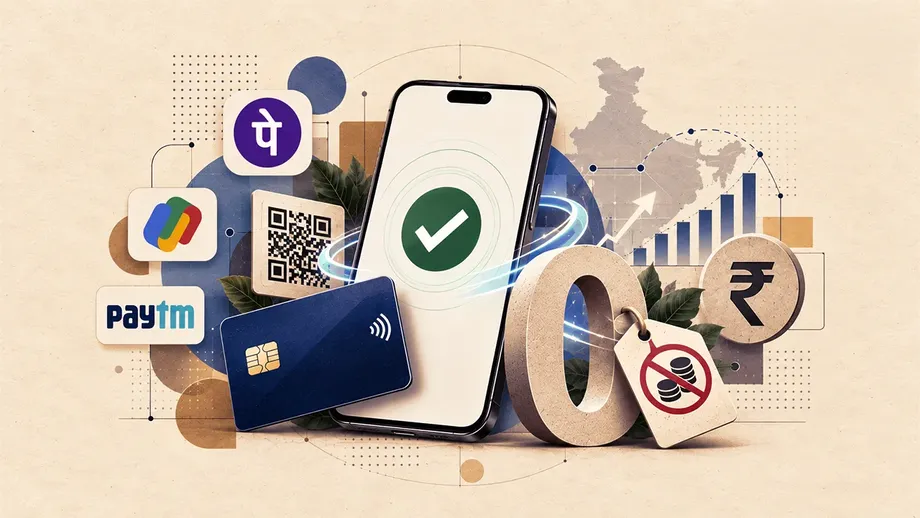
For shoppers, the practical change is simple: an iPhone or Apple Watch can take the place of a physical card at a compatible checkout. For India, the launch adds another route into card payments alongside the familiar UPI system, where customers commonly scan a merchant's QR code.
Which cards and devices qualify?
Axis Bank Visa and Mastercard credit cards are the starting point. The initial launch excludes RuPay cards and debit cards. Apple is reportedly discussing support with other domestic lenders, but no timetable has been announced for additional Indian banks or Mac availability.
Apple's launch announcement lists an iPhone XR or later running iOS 18 or later. For Apple Watch, it lists Series 6 or later running watchOS 11 or later, paired with an iPhone XR or later. Customers should check eligibility before trying to enroll a card, because both the device and the card must qualify.
Apple's device list also includes iPad, although the payment experience depends on the device. An iPhone or Apple Watch can be used at a contactless terminal; an iPad supports checkout in participating apps and on websites. Mac support is planned for a later stage.
Axis Bank managing director and chief executive Amitabh Chaudhry described the launch as a way to give existing card customers more payment choices:
The introduction of Apple Pay advances this ambition, bringing greater choice and flexibility to our Credit Card customers, with support across the Mastercard and Visa networks.
How to add a card and make a payment
Eligible customers can begin in either the Axis Bank mobile banking app or Apple Wallet. In the bank app, they select the option to add an eligible card to Apple Pay and follow the verification steps. In Wallet, they tap the plus button, choose to add a card, enter or scan its details and complete the bank's checks.
Axis Bank says customers can start using Apple Pay once their card has been added. Verification during setup is separate from authorizing a purchase: the bank first checks that the card can be enrolled, and the device then authenticates payments when the customer shops.
At a store, an iPhone user selects the preferred card, authenticates with Face ID, Touch ID or a passcode as supported, and holds the phone near the contactless reader. On an Apple Watch, the customer double clicks the side button and holds the display near the reader. NFC, short for near field communication, lets the device exchange payment information with the terminal over a very short distance.
Online and inside participating apps, customers select Apple Pay, check their payment details and confirm the purchase on their device. The aim is to avoid repeatedly typing card information or entering a separate PIN or OTP, meaning a password used once, at checkout.
Where customers can use it
Apple Pay needs a compatible payment route. In a shop, that means a terminal accepting contactless card payments. Online, the merchant must offer Apple Pay at checkout. A merchant displaying only a UPI QR code offers a different payment route, which this launch does not support.
Merchants named in launch coverage include Apple Store locations, Blinkit, Croma, Ixigo, Reliance brands, Tata 1mg and Zomato. Customers will still need to look for the relevant checkout option or a suitable terminal rather than expect every payment channel at every named business to work immediately.
Apple says Apple Pay will be accepted by millions of merchants across India at launch, including those businesses. It also names payment service providers including BillDesk, Cashfree, Paytm and Razorpay as partners bringing Apple Pay to their merchant networks, with more merchants and apps coming over time.
Axis Bank's announcement sets out this sequence:
- September 30, 2026: Apple Pay launches for eligible Axis Bank Visa and Mastercard credit cardholders.
- The following few weeks: payments across stores, apps and online merchants are expected to become available more widely.
The bank's wording matters for someone trying the service on launch day. Adding a card successfully and finding Apple Pay at a particular merchant are two separate steps, and merchant availability is part of the rollout.
What tokenization changes at checkout
Axis Bank says the actual credit card number is neither stored on the Apple device nor on Apple's servers, and Apple does not share it with the merchant. Instead, a unique Device Account Number is assigned, encrypted and stored in the device's Secure Element, a protected chip designed to hold sensitive payment information.
Apple's launch announcement confirms this handling of card numbers and says it does not retain transaction information that can be tied back to the user. Transactions stay between the user, the merchant and the bank or card issuer. If an iPhone is lost or stolen, customers can use Find My to locate or lock it, or suspend payments from that device.
This process is called tokenization. In simple terms, the payment system uses a substitute identifier for the card rather than handing its actual number to the shop. The transaction still reaches the underlying credit card account, so the customer pays the same issuer when the bill arrives.
Face ID, Touch ID or a device passcode adds a check before payment. Together, authentication and tokenization reduce the exposure of card details during ordinary purchases. Customers still need to protect their devices and accounts, since theft, compromised credentials and unauthorized transactions remain risks.
Anyone noticing an unfamiliar purchase should contact the card issuer promptly. Keeping transaction alerts active also makes it easier to spot unexpected spending while the details are fresh, rather than waiting for the monthly statement.
UPI and competing wallets still cover different needs
Apple Pay in India begins as a way to pay with selected credit cards. UPI usually lets a customer move money directly from a bank account through a supported payment app, often by scanning a merchant's QR code. Some RuPay credit cards can also be linked to UPI through services that support them.
Apple Pay has neither UPI integration nor RuPay support at launch. An eligible Axis Bank Visa or Mastercard added to Wallet therefore remains a card payment option, rather than becoming a way to scan every UPI code encountered at a shop.
Samsung Pay and Google's payment services have broader support across Indian banks and card types, including debit cards. Their wider payment options include support for eligible RuPay credit cards through UPI, while Google also supports NFC payments for some RuPay cards. Customers comparing services need to check the particular app, card and payment method they intend to use.
Apple has not opened iPhone NFC and Secure Element access to third party payment developers in India. Apps such as PhonePe and Google Pay consequently cannot offer their own equivalent card tap payment experience on iOS. Customers can still use those apps for the UPI functions they support.
The credit card bill stays the same
Axis Bank says customers retain the rewards and benefits attached to their eligible cards. Apple Pay changes how a purchase is authorized and presented to the payment terminal; the spending still goes onto the same credit card account.
The card's credit limit, billing cycle, interest terms and applicable fees continue to govern purchases. Customers seeking installments must use the standard EMI arrangements available on their Axis Bank card. EMI means equated monthly installment, a way of spreading repayment across a series of monthly amounts. Apple Pay Later is unavailable in this launch.
Faster checkout can also make small, repeated purchases easier to overlook. Transaction alerts, category budgets and a monthly statement review give cardholders a practical way to keep track. Rewards are most useful when considered alongside the actual cost of the purchase and any interest or fees.
Travel convenience depends on the card and merchant
International visitors with Apple Pay already configured through a supported foreign issuer may find contactless card terminals useful in India, especially when their foreign bank accounts cannot readily access local UPI payments. Acceptance depends on the merchant's terminal and the visitor's underlying card.
Indian customers traveling abroad face a similar set of checks. Their Axis Bank card must be enabled for international use, the merchant must accept the relevant card network and contactless payments, and the transaction remains subject to the card's foreign exchange markup and other applicable charges.
Visa or Mastercard provides the underlying payment network; Apple Pay provides the device based checkout method. A customer considering an overseas purchase therefore needs to review the card's international settings and fees, even when the phone makes paying feel as simple as a domestic tap.
What the first version leaves out
Apple's initial Indian payment service is narrower than the broader collection of payment and Wallet features available across some other markets. It does not bring Apple Cash transfers between people, UPI payments or Apple Pay Later.
The launch also does not introduce an Indian package of transit passes, identity documents, digital keys, boarding passes or event tickets. Those functions involve separate Wallet capabilities and participating organizations, beyond enrolling an Axis Bank credit card for payment.
Checkout methods also differ between platforms. Apple Pay offers native checkout in Safari, while Google's account based checkout can use a pop up across browsers, and Samsung payment flows may involve an external notification or QR authorization. For customers, the useful comparison is whether their card works at the shops and websites they actually use.
Apple Pay's immediate value in India is consequently focused: supported Axis Bank customers gain a convenient, tokenized way to make card purchases. UPI remains available through other apps for routine QR payments, while the underlying credit card continues to determine rewards, borrowing costs and international charges.
Key Points
- Apple Pay launched in India on September 30, 2026, starting with eligible Axis Bank Visa and Mastercard credit cards.
- Customers can add cards through Apple Wallet or the Axis Bank app and complete bank verification.
- Contactless purchases require iPhone XR or later with iOS 18 or later, or Apple Watch Series 6 or later with watchOS 11 or later paired with an iPhone XR or later; supported app and website purchases also include iPad. Mac support is planned.
- Axis Bank expects merchant availability across stores, apps and websites to expand over the following few weeks. Apple says millions of merchants will accept Apple Pay at launch, with more merchants and apps coming over time.
- Payments use a protected Device Account Number instead of sharing the actual card number with merchants.
- UPI, RuPay cards and debit cards are outside the initial offering.
- Existing card rewards, credit limits, interest terms and applicable foreign transaction charges continue to apply.