
Three Lima concerts draw a stadium audience of 151,500
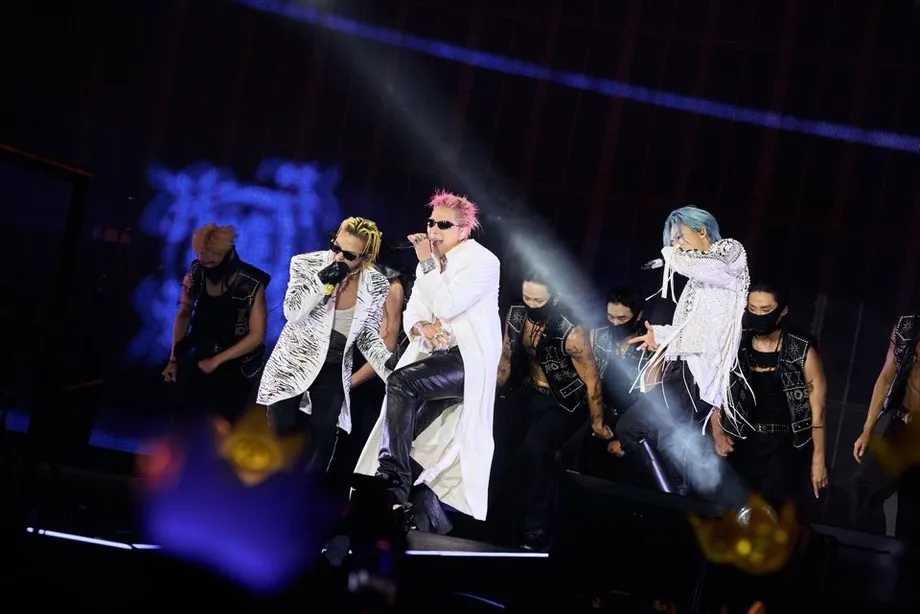
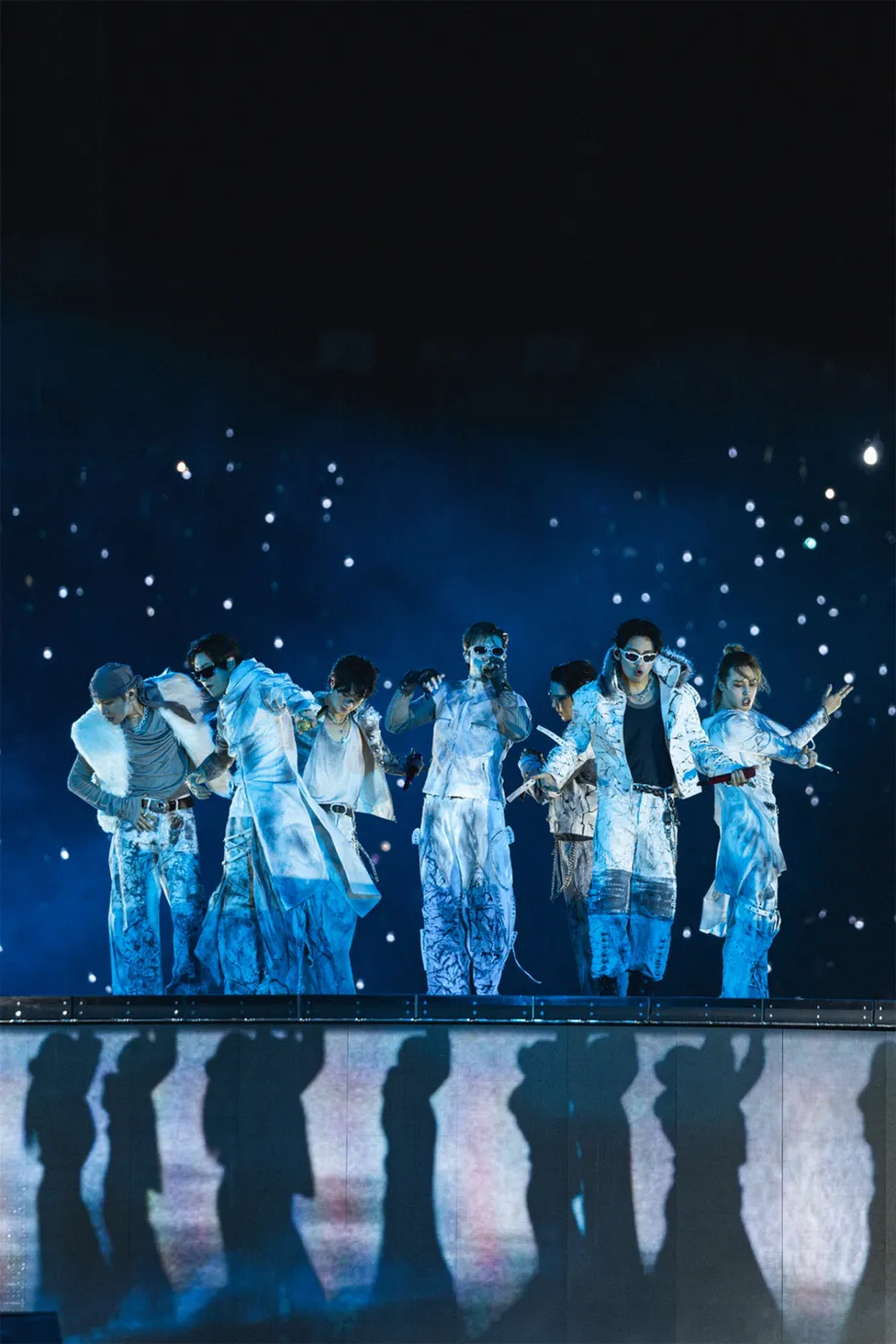
BTS drew about 151,500 concertgoers to Estadio San Marcos in Lima on October 7, 9 and 10, 2026, during its first performances in Peru since its 2013 debut, according to the group's agency, Big Hit Music. The visit also prompted Peru's Ministry of Foreign Trade and Tourism to forecast US$18.7 million in tourism spending, while the Lima Chamber of Commerce projected a broader economic movement of S/150 million to S/200 million.
Contents
- Three Lima concerts draw a stadium audience of 151,500
- Fans welcome a visit years in the making
- Tourism forecasts separate overnight stays from day visits
- Most travel demand came from within Peru
- Ticket sales explain the larger chamber estimate
- Small businesses look beyond the concert gates
- Purple landmarks turn the visit into a city event
- Transport demand spikes as fans leave together
- V brings Hangul Day onto the Lima stage
- A regional tour continues, with conflicting date reports
- Key Points
The three concerts formed the second stop on the South American leg of the Arirang world tour. Initially scheduled for two nights, the Lima visit expanded after strong demand, and the additional performance sold out. Before the shows, Peru's export and tourism promotion agency, PromPeru, reported that more than 521,000 people had sought tickets.
The audience figure measures attendance across three performances, not necessarily 151,500 different people. Fans who attended more than one night could appear more than once in that total. Dividing the agency's figure by three gives an average of 50,500 admissions per concert, although a separate breakdown for each night has not been disclosed.
The economic numbers require a similar distinction. The ministry's forecast concerns spending by visitors, while the chamber's larger estimate includes ticket sales and a wider range of purchases. Neither figure is a published final accounting of money spent after the concerts.
Lima's reception extended beyond the stadium. A street temporarily became BTS Avenue, landmarks turned purple, and tourism promotion encouraged visiting fans to explore destinations outside the capital. Together, the concerts and surrounding activities created a test of how a major music event can bring customers to hotels, restaurants, transport services and smaller businesses.
Fans welcome a visit years in the making
Inside Estadio San Marcos, crowds greeted the seven members with cheers and collective singing. BTS responded with energetic performances and Spanish expressions of affection, including "Los amo," meaning "I love you." The members also spoke about their surprise at the strength of the welcome on their first visit.
Jimin, whose birthday falls on October 13, thanked the audience for supporting the group across a vast distance. Addressing fans before his birthday, he said:
I will live my life never forgetting that you all love us so much from the other side of the Earth.
Jin performed Siren wearing a sleeveless outfit and goggles, then spoke Spanish during his closing remarks. Fans celebrated his appearance through social media phrases including JIN ES CLAVE EN LIMA and the hashtag #JIN_IN_LIMA_D1. On October 9, he posted a concert selfie on the fan community platform Weverse.
One account dates the opening Lima performance to October 8 in Korean time. That does not conflict with the October 7 local date: South Korea is ahead of Peru, so an evening concert in Lima falls on the following calendar day in Korea.
Tourism forecasts separate overnight stays from day visits
The Ministry of Foreign Trade and Tourism, known as Mincetur, based its tourism projection on approximately 150,000 concert admissions. Its Directorate General for Research and Studies on Tourism and Handicrafts estimated that more than 36,500 visitors would stay at least one night in Lima, while more than 14,000 would visit for the event and return home without staying overnight.
That distinction matters for businesses. An overnight visitor may pay for accommodation as well as meals and transport. A day visitor can still spend on travel, food and shopping without generating a hotel booking. Combined, the two categories account for the ministry's forecast of more than 50,000 tourists and excursionists.
The projected spending comprised US$8.1 million from international tourism, US$9.9 million from domestic tourism and US$760,000 from domestic excursions. These components total US$18.76 million, slightly above the published US$18.7 million headline figure because the stated amounts are approximate.
Tourism and Foreign Trade Minister Rogers Valencia said the influx would create demand for tourism and transport services and opportunities for businesses serving those travelers. A ministry forecast published on October 9, while the concert series was still underway, also described major international events as a way to attract visitors and encourage longer stays. The figure should therefore be read as an expectation, not a verified result.
Most travel demand came from within Peru
Mincetur's buyer data put approximately 28,000 attendees in other Peruvian regions, representing 18.9% of purchasers. Among that regional group, Arequipa accounted for 21.3%, Trujillo for 11.9%, Cusco for 7.8% and Chiclayo for 7.5%. Piura, Tacna and Ica followed, with the remainder coming from other cities.
International residents represented 5.74% of buyers, equivalent to more than 8,500 people. Ecuador was the largest foreign market, accounting for 27.9% of international purchasers, followed by Mexico at 12.2%, Bolivia at 10.6%, the United States at 9.1% and Chile at 6.8%.
The spending estimates also show the importance of domestic travel. The US$9.9 million expected from domestic tourists and US$760,000 from domestic day visitors together make US$10.66 million, compared with US$8.1 million from international tourism. Using those component figures, domestic travel represents about 57% of projected visitor spending.
Separate Ticketmaster presale figures put Peruvian buyers at 94.37%. That percentage describes a particular sales stage and should not be treated as identical to the ministry's broader purchaser breakdown. Valencia also said more than 6,000 foreign visitors had arrived, including a combined 5,000 to 6,000 young fans from Santiago and Ecuador. Those arrival statements and the estimate of more than 8,500 foreign buyers measure different things.
One account describes all 50,000 expected visitors as foreign tourists. Mincetur's detailed breakdown instead includes domestic travelers and people visiting without an overnight stay. The larger total is therefore not an estimate of international arrivals alone.
Ticket sales explain the larger chamber estimate
The small business guild of the Lima Chamber of Commerce estimated economic activity of S/150 million to S/200 million. Its calculation assumed approximately 118,000 attendees across the three dates, below Big Hit Music's subsequent figure of about 151,500 admissions.
Rodolfo Ojeda, president of the guild, estimated an average ticket price near S/844 and ticket revenue of around S/100 million. Multiplying 118,000 by S/844 gives S/99.592 million, which explains that rounded ticket estimate. The remainder of the chamber's projected activity covered accommodation, food, transport, shopping, merchandise and entertainment.
The calculation should not simply be updated using the higher attendance figure. Doing so would assume the same average ticket price across all admissions, without information about ticket categories or other parts of the chamber's model. The forecast and the reported attendance total can be compared, but they do not establish final revenue.
Reports translating the S/200 million estimate into Korean currency generally give approximately 78 billion won. A separate account gives 780 billion won, a tenfold discrepancy. Keeping the chamber's estimate in soles avoids presenting conflicting currency conversions as equivalent. The US$18.7 million tourism forecast is separately translated as approximately 25.1 billion won.
Small businesses look beyond the concert gates
The chamber identified restaurants, cafes, fast food businesses, delivery services and Korean food establishments as potential beneficiaries. Its assessment also pointed to demand for clothing, accessories and personalized products, including shirts, jackets, caps, bags and souvenirs priced between S/20 and S/200 per item.
Commercial areas such as Gamarra and Mesa Redonda were named as places where sellers could adapt products to visiting fans. The opportunities extended to photography, video, design, digital marketing, baking, decorations, personalized gifts and photo booths.
These categories explain why an event's economic reach can exceed the money collected at the stadium. A fan may buy a ticket through one business, book a room through another, eat at several restaurants and purchase a locally made souvenir. The chamber's forecast attempts to capture that broader movement of spending.
However, the business opportunities are not proof that every listed sector recorded higher sales. No final breakdown of restaurant receipts, hotel occupancy or merchandise revenue accompanies the estimates. PromPeru data cited by the chamber suggested that six in ten fans travel annually for music events, supporting the interest in this customer group without measuring the Lima concerts' completed economic effect.
Purple landmarks turn the visit into a city event
In Santiago de Surco, Sacramento Street was temporarily renamed BTS Avenue, or Avenida BTS, from October 5 through October 11. Signs marked the change, giving the group's first Peru visit a visible presence outside the concert venue.
The Arco Morisco in Friendship Park was illuminated purple, the color closely associated with BTS and its fans. Daily light shows were scheduled through Sunday. At Lima's Circuito Magico del Agua, the Fountain of Fantasy hosted a program combining BTS music, lighting and images projected onto water screens.
Peru Travel, the country's tourism promotion website, encouraged fans to explore local food, culture and attractions, including Paracas and Machu Picchu. That promotion sought to turn a concert visit into a longer or wider trip, although no figures establish how many attendees traveled beyond Lima.
Fans also planned a BTS tribute drone show at Costa Verde, the coastal area known for its beaches and cliffs. The event was promoted as the first such tribute in South America, but the reports establish the plan rather than confirmation that it took place.
Transport demand spikes as fans leave together
Cabify recorded ride requests heading toward Estadio San Marcos at up to 15 times the usual level on the first concert day. After the performance, requests rose to as much as 48 times normal demand.
The contrast captures a practical feature of stadium events: arrivals can be spread over several hours, while departures concentrate when the show ends. The much larger reported surge afterward indicates how sharply demand gathered around the closing time.
Those figures describe requests on one transport platform, not all journeys in Lima. They also do not show how many requests became completed rides, what passengers paid or whether waiting times increased. Still, they provide a specific indicator of pressure on transport services during the opening concert.
Valencia placed the visit within Lima's effort to become a center for events and conventions. He described a strategy called MAIS that had been pursued for more than ten years, with public and private participants coordinating work in the capital. The BTS concerts illustrate the visitor demand that strategy seeks to attract, while the departure surge shows the operational demands that accompany it.
V brings Hangul Day onto the Lima stage
At the October 9 concert, V wore a shirt commemorating the 100th anniversary of Hangul Day, the Korean observance celebrating the Korean writing system. The front carried handwritten Korean text naming Lima and Kim Taehyung, his full name. The back carried a message marking October 9, 2026, as the centenary.
The gesture connected a Korean cultural date with the group's Spanish exchanges onstage. V also addressed the audience with the phrase "¡PERÚ ES CLAVE!", meaning "Peru is key." His performance clips spread on TikTok, while a video on the Chinese platform Xiaohongshu was reported to exceed 16.5 million views.
Reports also placed V first in Google Trends in 76 countries. Without a stated measurement period or search category, that claim is best understood as a reported indication of online attention rather than a complete comparison of worldwide popularity.
A Korean Association for International Cultural Exchange survey found that nine in ten global BTS fans had experience studying Korean to understand lyrics and conversations between members. The result helps explain the audience interest in the Hangul Day gesture, but it does not establish how many people at the Lima shows had studied Korean.
A regional tour continues, with conflicting date reports
Lima followed two concerts at Estadio El Campin in Bogota on October 2 and 3, which drew about 100,000 attendees. Combined with the agency's Lima total, the two stops account for approximately 251,500 admissions across five shows. Average attendance was close to 50,000 per night in both cities.
The reported tour milestones and local events unfolded as follows:
- April 9: The Arirang tour opened at Goyang Stadium in South Korea.
- October 2 and 3: BTS performed two concerts in Bogota.
- October 5 to 11: Sacramento Street in Surco temporarily became BTS Avenue.
- October 7, 9 and 10: BTS performed three concerts at Estadio San Marcos.
- October 9: V marked the Hangul Day centenary during the Lima performance.
- October 14: Santiago was listed as the next concert destination.
Reports disagree about October 16 and 17. Several place those performances in Santiago, followed later by Buenos Aires and Sao Paulo. Another assigns October 16 and 17 to Buenos Aires. The next destination is consistently identified as Santiago, but those later dates cannot be reconciled from the conflicting schedules.
The wider tour was reported to span more than 88 shows across 34 cities and 23 countries, with dates extending into 2027. Reporting citing Billboard Boxscore figures put ticket sales above US$500 million after an August run of 12 shows generated US$171.7 million and sold 801,000 tickets. It described BTS as the first pop group to pass that sales threshold on a single tour.
For Peru, the next useful measure is a completed account of visitor spending rather than another forecast. No release date for such an assessment has been given. The confirmed agency attendance figure demonstrates the scale of demand; final tourism and business results would show how much of the projected economic activity actually occurred.
Key Points
- Big Hit Music reported about 151,500 admissions across BTS's October 7, 9 and 10 concerts in Lima.
- Mincetur forecast more than 50,000 visitors and US$18.7 million in tourism spending, including domestic and international travel.
- The Lima Chamber of Commerce projected S/150 million to S/200 million in broader activity, including ticket sales.
- Cabify reported ride requests at up to 15 times normal before the opening concert and 48 times normal afterward.
- Lima welcomed the group with BTS Avenue, purple lighting and themed fountain displays.
- Santiago was listed as the next stop, but reports disagree over the location of the October 16 and 17 shows.
- The economic estimates remain forecasts, with no final spending assessment or publication date given.