A campus sandwich puts halal assurance under scrutiny
A packaged ham and cheese sandwich sold at a KK Mart concept store on the Universiti Malaya campus sparked a national controversy in January 2025. Students noticed a halal logo on its packaging and questioned its authenticity on social media. Within hours, a concern raised on a campus noticeboard had become a political argument about religious assurance, business responsibility and enforcement.
Contents
- A campus sandwich puts halal assurance under scrutiny
- Why chicken ham still needs certification
- What the Malaysian halal certificate checks
- Low official fees, larger compliance bills
- Why unofficial labels caused another dispute
- The value of trust at home and abroad
- Earlier scandals keep pressure on enforcement
- How social media turned a label into a political issue
- The events behind the current scrutiny
- How diners can check a halal claim
- What businesses need to keep in order
- What to Know
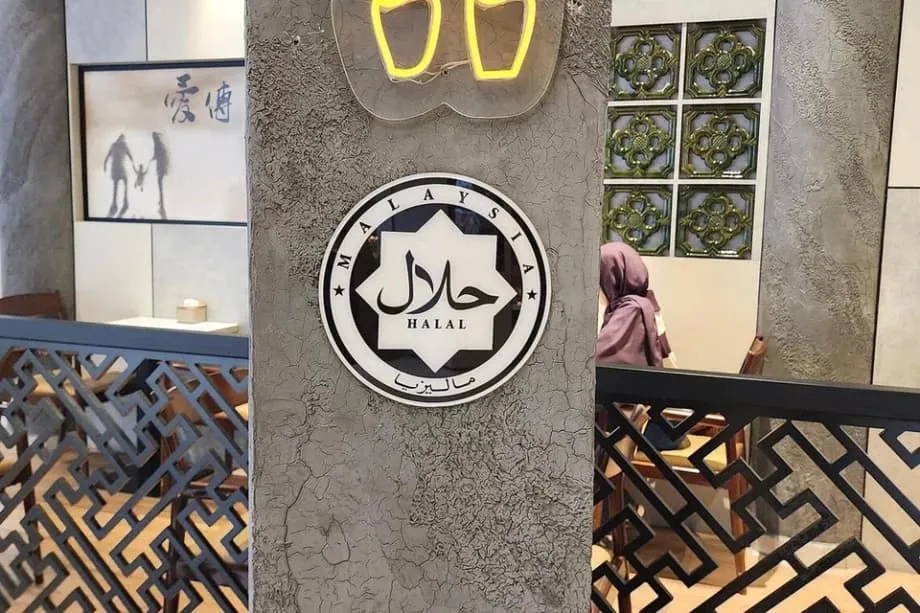
Malaysia's Department of Islamic Development, known as Jakim, confirmed that neither the sandwich nor its manufacturer held the Malaysian halal certificate, Sijil Pengesahan Halal Malaysia (SPHM). Officials said using the halal logo without certification was an offense under the Trade Descriptions Act 2011 and the Trade Descriptions Certification and Marking of Halal Order 2011.
Police reports followed. Universiti Malaya closed two outlets for checks, while the Domestic Trade and Cost of Living Ministry opened an investigation. KK Mart said the filling was chicken ham, blamed its supplier for the packaging, suspended dealings with the vendor and issued a legal demand. The retailer also said it would cooperate with investigators.
The dispute brought together two issues that are easily mixed up: what a food contains and whether its production has been officially certified. In everyday English, ham often means pork. Malaysian food makers also use chicken ham or turkey ham to describe cured, sliced poultry. Clear labeling must identify the meat, while halal assurance requires checks on the complete product and the processes behind it.
Why chicken ham still needs certification
Jakim director general Datuk Sirajuddin Suhaimee said businesses must obtain official verification before describing a product or service as halal or displaying the halal logo.
No product or service can be described as halal or carry a halal logo without verification and certification by the department,
Sirajuddin added that certification covers handling, preparation and processing across the full chain. A certified ingredient is one part of that chain. The finished sandwich also depends on its other ingredients, the equipment used to make it, storage conditions and the way it reaches the shop.
KK Mart's explanation that it used chicken ham addressed the type of meat. Jakim's finding concerned the absence of certification for both the sandwich and its manufacturer. Those were the two practical questions at the center of the dispute.
Rules require terms associated with pork to be qualified when poultry is used, and the complete product must be certified before carrying halal assurance. Labels therefore have to communicate both the identity of the food and its verified status accurately.
What the Malaysian halal certificate checks
SPHM assesses whether a product or premise meets Islamic dietary requirements across its operations. Pork and alcohol are prohibited, but certification reaches beyond those ingredients to sourcing, storage, kitchen design, equipment, sanitation, staff practices and transport.
Auditors examine how a business prevents cross contamination, meaning the transfer of unsuitable ingredients or residues through shared equipment, storage or handling. Where meat is involved, they also verify slaughtering steps. Traceability means keeping records that allow ingredients to be followed from their source to the final product.
A business applies online, declares every ingredient and supplier, submits its product formulations and appoints a Muslim halal supervisor to oversee compliance. Supplier documents matter because ingredients must also have halal certification where required.
Auditors inspect receiving areas, cold rooms, cooking lines and warehouses. They check for dedicated tools, separate storage, cleaning records and pest control. Recipes and labels are checked against supplier certificates, while staff training is reviewed. Officials can also conduct spot checks without warning.
Jakim's system therefore asks a practical question at each stage: can the business show that its ingredients and working methods meet the requirements? Keeping the records current is part of maintaining that assurance after a certificate is issued.
Low official fees, larger compliance bills
Official certification fees range from RM100 to RM10,000 a year, depending on business size and category. The official processing time is 30 days, although collecting documents from suppliers can take longer.
A small or medium outlet can spend RM25,000 or more preparing to comply. Those costs can include changing ingredients, buying dedicated equipment, training staff and hiring consultants to organize the paperwork. The certification fee is therefore only one part of the financial commitment.
Some businesses replace sauces, shorten ingredient lists or change suppliers. Others need kitchen alterations to separate preparation lines and storage areas. Each change helps the operator account for what enters the kitchen and how it is handled.
Small eateries often remove pork and alcohol to attract a wider customer base while working toward certification or waiting until they can afford it. Clearer guidance and improved online tools have made applications easier to navigate in recent years, but preparing the business and gathering supporting records still require time and money.
The Cabinet decided in 2024 to keep halal certification voluntary, rejecting calls to require eateries that serve neither pork nor alcohol to apply. That decision preserved a choice for operators while leaving them responsible for describing their food accurately.
Why unofficial labels caused another dispute
Many eateries, particularly those owned by non Muslims, display claims such as no pork, no lard and no alcohol to reassure Muslim customers. Such statements can reflect genuine efforts to respect dietary needs. They provide a narrower assurance than certification, which also examines ingredients such as flavorings and emulsifiers, as well as shared fryers and other equipment.
In 2024, a group called Muslim Friendly Watch tried to formalize these signals through a Muslim Choice label for premises that served neither pork nor alcohol. Jakim said it had never recognized the label and warned that parallel marks could confuse consumers and breach trade law. The group disbanded after the pushback.
Activists and politicians have also proposed logos with different colors to distinguish businesses owned by Muslims from those owned by non Muslims. Regulators dismissed the proposals as unnecessary. Recognized halal systems assess ingredients and processes rather than the religion of a business owner.
Malaysia has also tightened guidance on marketing language. Authorities have said that only certified premises should rely on terms implying halal assurance. Descriptions such as pork free or Muslim friendly remain common, but misleading claims can attract penalties.
The value of trust at home and abroad
A 2024 survey found that 69 percent of respondents identified Jakim halal certification and the presence of Muslim staff as their main filters when buying food. In a crowded market, customers use these signals to make decisions about where and what to eat.
Restaurants seeking a broad customer base have a commercial reason to pursue certification. An uncertified Chinese cuisine outlet in a mixed neighborhood can lose a large share of potential diners even when it serves neither pork nor alcohol. For chains and established brands, the logo communicates consistency to Muslim and non Muslim customers.
Certification also shapes purchasing decisions inside a business. Requiring suppliers to meet the same standard makes procurement more consistent and gives operators a clearer record of the ingredients they buy.
Malaysia's export ambitions add another layer to the stakes. The country positions itself as a hub for halal goods and services, and its halal exports reached RM59.46 billion in 2022. Food and beverages formed the largest part of that portfolio. Confidence in the domestic certification system supports the credibility of Malaysian products abroad.
Earlier scandals keep pressure on enforcement
A meat cartel scandal exposed in late 2020 helps explain the intensity of public concern. Smuggled and mislabeled imports had bypassed approved abattoirs and required slaughtering methods. Investigators seized meat repackaged as halal beef, including species that did not meet halal requirements.
Arrests followed, and officials reviewed import procedures. The scandal damaged consumer confidence and dented export targets. It also showed why checking the final label has to be supported by scrutiny of slaughterhouses, import arrangements and the records connecting them.
In April 2025, Jakim ordered a recall of Indonesian snacks that tested positive for porcine ingredients, meaning ingredients derived from pigs. Importers were told to remove the products from shelves and notify the department.
Sirajuddin, Jakim's director general, described consumer protection as a central enforcement responsibility.
Protecting the rights of Muslim consumers and maintaining the integrity of our halal certification system are top priorities,
Authorities have introduced stricter inspection of abattoirs abroad and online checks with foreign authorities in the meat sector. Jakim also urges consumers to verify brands and premises through official channels before relying on packaging.
How social media turned a label into a political issue
The sandwich controversy generated videos, boycott calls and demands for police action. Angry posts targeted both KK Mart and enforcement agencies. Although protests are rare, the episode showed how quickly a brand can lose goodwill when a halal claim is challenged.
KK Mart said the sandwich had been stocked in only a handful of concept stores. Public anger nevertheless spread across the country, extending the business risk beyond the locations that sold it.
UMNO Youth chief Muhammad Akmal Saleh accused the retailer of belittling Islam and demanded an explanation for the halal mark.
Since when is ham considered halal, and how did this product obtain halal certification?
Malaysian Chinese Association vice president Datuk Seri Dr Wee Jeck Seng urged politicians to leave food disputes to the agencies responsible for investigating them.
We are confident in the capabilities of these institutions and believe they are well equipped to resolve such issues without politicians meddling or amplifying the topic excessively on social media,
Deputy Prime Minister Ahmad Zahid Hamidi said in 2024 that halal certification would remain optional for eateries, preserving a policy that had been in place for decades. The argument over the sandwich unfolded within that existing framework: businesses could choose whether to seek certification, while use of the official halal mark required approval.
The events behind the current scrutiny
The disputes developed over several years, involving imported meat, unofficial labels, certification policy and packaged food. Each involved a different point where consumers depended on reliable information.
- Late 2020: A meat cartel scandal exposed smuggled and mislabeled imports, prompting arrests and a review of import procedures.
- 2022: Malaysia's halal exports reached RM59.46 billion, with food and beverages the largest category.
- 2024: Jakim rejected the Muslim Choice label, and Muslim Friendly Watch later disbanded. The Cabinet kept halal certification voluntary.
- January 2025: The KK Mart sandwich controversy led to police reports, the closure of two Universiti Malaya outlets for checks and a ministry investigation.
- April 2025: Jakim ordered the recall of Indonesian snacks after tests detected porcine ingredients.
As of November 15, 2025, no outcome of the sandwich investigation or date for its conclusion had been given. The immediate finding was that the product and manufacturer lacked Malaysian halal certification.
How diners can check a halal claim
Consumers can search the Malaysia Halal Verification portal for certified products, premises and companies. The official mobile app provides another way to check status.
Packaging and certificates should match the business and product being checked. A familiar looking symbol alone gives a shopper less information than a matching entry in the official database.
- Check the company name and certificate number associated with the SPHM logo against the official database. A generic logo or details belonging to another firm should prompt further checks.
- Read ingredient panels. Poultry products described as ham should identify the meat clearly, such as chicken ham or turkey ham.
- At restaurants, look for a valid certificate for the premise. Certified eateries display certificates and often provide QR codes for quick verification.
- Report suspected misuse to Jakim or the Domestic Trade and Cost of Living Ministry. Photographs and batch numbers help officials investigate.
Officials have also signaled interest in better training for enforcement officers and technology connecting certificates with QR codes and databases. The aim is to make public verification faster and reduce opportunities for misuse.
What businesses need to keep in order
Operators need a clear picture of their supply chain before making halal claims. That includes knowing which ingredients require certification, keeping supplier records current and making sure the label describes the actual product.
- Map suppliers and ingredients. Replace ingredients lacking halal certificates where certification is required, and maintain current supplier letters and certificates.
- Appoint a Muslim halal supervisor and train staff. Keep records of deliveries, cleaning routines and corrective actions.
- Arrange kitchens to prevent cross contamination, with separate storage and utensils for halal items. Maintain sanitation and pest control records.
- Avoid marketing language that implies official halal assurance without certification. Muslim friendly and pork free claims do not replace SPHM.
- Use clear, consistent descriptions for chicken ham and turkey ham, following the standard and avoiding wording that could mislead customers.
The sandwich dispute exposed how closely packaging, supplier oversight and public confidence are connected. For a retailer, checking a supplier's claims is part of protecting the business. For a customer, a database check can help resolve uncertainty before an allegation spreads online.
What to Know
- Jakim confirmed that the sandwich sold at a KK Mart concept store and its manufacturer lacked Malaysian halal certification.
- Universiti Malaya closed two outlets for checks, police reports were lodged and the Domestic Trade and Cost of Living Ministry opened an investigation.
- Halal certification covers ingredients, sourcing, preparation, handling, storage and other processes across the supply chain.
- Unauthorized use of halal logos is an offense under the Trade Descriptions Act 2011 and the Trade Descriptions Certification and Marking of Halal Order 2011.
- The Cabinet kept certification voluntary in 2024. Unofficial labels and claims do not replace SPHM.
- Official annual fees range from RM100 to RM10,000, while preparing a small or medium outlet for compliance can cost RM25,000 or more.
- A 2024 survey found that 69 percent of respondents used Jakim certification and the presence of Muslim staff as their main food purchasing filters.
- The 2020 meat scandal and April 2025 snack recall reinforced pressure for inspections, traceability and digital verification.
- Consumers can verify certificates through official channels, while businesses need accurate labels and current supplier records.