A monthly grant and a chance to keep studying
A grant of 10,000 yen, enough to cover one month of public high school tuition, is helping teenagers without residency status in Japan continue their education. Launched in 2023 by the Solidarity Network with Migrants Japan and the Anti Poverty Network, the private scholarship combines financial help with tutoring and guidance for students whose options can narrow sharply after junior high school.
Contents
- A monthly grant and a chance to keep studying
- How immigration decisions changed one family's life
- Why costs become harder after junior high
- Tutoring includes difficult conversations about documents
- Donations sustain support, but leave funding uncertain
- Further education can offer a narrow route to status
- Legal uncertainty reaches into everyday school life
- What support abroad shows, and where gaps remain
- Practical changes schools and communities can make
- Policy proposals focus on education and family stability
- Key Points
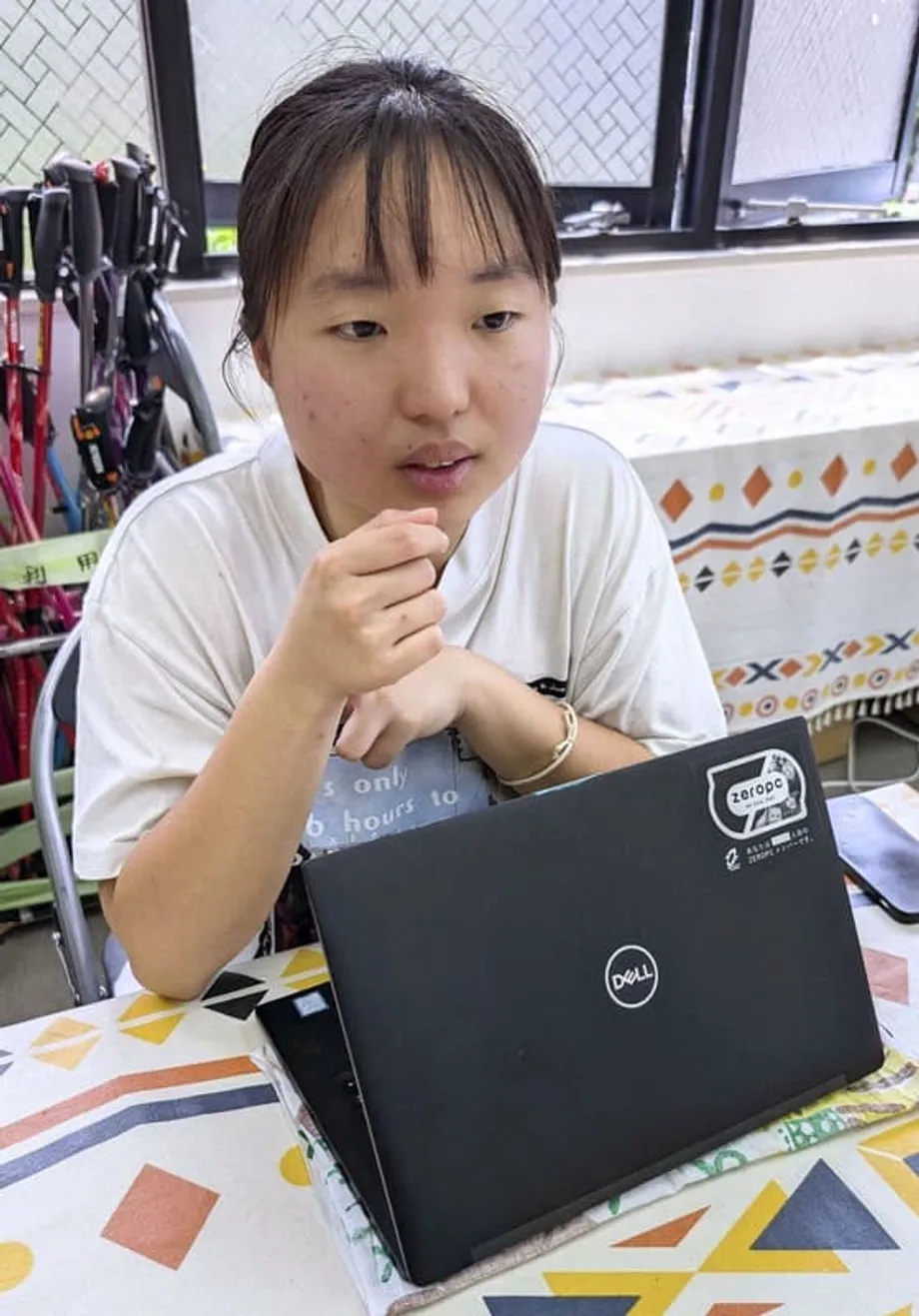
For one 16 year old student from a Middle Eastern country living in the Kanto region, that support arrived during a home visit in August. A university student tutor handed her the monthly grant, checked her schoolwork and asked how she was feeling. The visit brought money for school and time with someone who could help her think about what comes next.
The teenager keeps sketchbooks close and hopes to become a fashion designer. Her family has struggled financially, and she has missed school trips that her classmates still discuss. An 18 year old tutor encouraged her to prepare for the Eiken English test and the Japanese Language Proficiency Test, qualifications that could widen her choices when applying to universities and vocational schools.
After the visit, the student described her ambition and her uncertainty about continuing her education:
My dream is to become a fashion designer. I want to go to a vocational school, but I am unsure if it is possible.
Her situation shows why the scholarship reaches beyond tuition. Staying in class is one challenge. Finding an affordable, legally workable route from high school into further study or employment is another.
How immigration decisions changed one family's life
The student's parents fled persecution and applied for refugee status. They initially had permission to work. Three years ago, they were placed on provisional release, an arrangement that suspends immigration detention while deportation is pending but removes the right to work.
Last year, following the 2023 revision to the Immigration Control and Refugee Recognition Act, the family moved to supervised release. This arrangement allows some people awaiting deportation to work under a supervisor designated by the Immigration Bureau. Despite that change, her parents have not found jobs.
The family's experience and the scholarship's creation span several stages:
- Three years before the October 2025 account, the parents were placed on provisional release and lost permission to work.
- In 2023, the Immigration Control and Refugee Recognition Act was revised, and the two support networks launched their scholarship.
- In 2024, the family moved to supervised release, under which limited employment can be permitted.
- In August 2025, a tutor visited the student, delivered the 10,000 yen grant and discussed her studies and future plans.
Provisional release comes with obligations as well as restrictions. People must report to authorities at set times and live with continuing uncertainty about their legal position. For parents, the work restriction means having no formal earnings. Their children study while watching the household struggle to pay its bills.
Supervised release can create an opportunity to work, but obtaining a job remains difficult. Employers face complex rules and may hesitate to hire someone whose status could change. Many families remain without work, while high school students in these households seldom take paid jobs because of their status or family concerns.
Why costs become harder after junior high
Elementary and junior high education are compulsory in Japan, and local governments provide support so children can attend. High school is not compulsory, although nearly all students enroll. At that stage, fees and other expenses create a more serious barrier for families without residency status.
Households with recognized residency can receive tuition support and other assistance. Families without that status are typically excluded from those forms of help after junior high. When parents also lack permission to work, even a modest school bill becomes difficult to pay.
Tuition is only part of the expense. Uniforms, textbooks, lunches, club activities and school trips all require money. A payment for a trip or a set of art supplies can force a family without steady income to choose between participation and withdrawal.
For students, those decisions affect friendships as well as learning. Missing a trip means missing a shared experience. Unpaid lunch costs and club fees can add to a sense of being different from classmates. School can remain a source of hope while also becoming a place where financial hardship feels especially visible.
The scholarship's monthly payment is deliberately modest. Its value lies in arriving regularly and helping students attend class with less anxiety. Alongside the grant, tutors watch for signs of isolation and encourage students to stay connected with teachers and friends.
Tutoring includes difficult conversations about documents
The Solidarity Network with Migrants Japan and the Anti Poverty Network designed the program around three needs: a steady grant, regular visits from tutors, and help with barriers that arise when students apply for further education or work.
Tutors travel to students' homes, sometimes working in living rooms crowded with siblings and homework. They offer academic support and help students practice explaining their circumstances clearly and respectfully to admissions staff or employers.
Documents can become a problem late in an application. Tutors describe students whose school admissions or job offers were withdrawn despite their meeting high school graduation requirements. An institution or employer may request documents that a student cannot quickly provide or does not know how to explain.
A request for a residence card can leave a young person unsure whom to contact or what to present. Tutors help students approach admissions offices and hiring managers early, establish what paperwork is required and prepare a clear checklist. Rehearsing these conversations can also build confidence.
Miwa Kato, a tutor in the program who is 22, described how students can lose opportunities at this stage:
Some people have had school admissions or job offers rescinded despite meeting high school graduation requirements. It is difficult for high school students to secure advance confirmations or explain their situations in writing. We practice how to communicate with others so that they are not left out.
Donations sustain support, but leave funding uncertain
The scholarship depends on donations. Tutors and coordinators want a stable funding base so that the help families rely on can become more predictable.
Regularity matters when the grant helps pay a recurring school expense. The program also supplies a reliable adult mentor who can notice academic difficulties, discuss plans and help a student prepare for an application before a paperwork problem becomes urgent.
Kato described the purpose of that work in terms of children's choices:
Children need support so their options are not unfairly limited.
The combination of money and personal guidance addresses connected problems. A student needs to remain in school long enough to earn the grades, qualifications and recommendations required for the next step. They also need to understand how their legal circumstances affect the route they hope to take.
Further education can offer a narrow route to status
Nanako Inaba, a professor at Sophia University and director of the Anti Poverty Network, has worked closely with undocumented families and their children. She says acceptance by a university or vocational school can, in some cases, open a route to a student visa.
That possibility depends on individual circumstances. For teenagers already dealing with financial pressure and uncertainty about their status, reaching graduation with the grades, test scores and recommendations needed by selective programs is itself demanding.
Language qualifications are one practical part of that preparation. The Eiken English test and the Japanese Language Proficiency Test can widen admissions options. The tutor's advice to the student who wants to study fashion connects her daily schoolwork with a possible place in further education.
Inaba also points to Japan's ratification of the United Nations Convention on the Rights of the Child. The treaty recognizes a right to education, calls for secondary education to be available and accessible to every child, and calls for access to higher education based on capacity.
For Inaba, children who have grown up in Japan should be able to exercise that right even when their families lack residency status. Many were born in the country or arrived young, speak fluent Japanese, and have local friendships and ambitions.
Inaba called for stronger guarantees for young people who complete high school in Japan:
Many of these children were born here or arrived at a young age. Their lives are rooted in Japan. For those who graduate high school here, the government should guarantee their rights, including considering creating pathways to permanent residency.
Many of these teenagers have attended Japanese schools since their first day of class. They prepare for the same English and Japanese language proficiency tests as their peers. Inaba argues that their ability to continue learning should extend beyond junior high.
Legal uncertainty reaches into everyday school life
Scholars studying migration in Japan estimated that around 70,000 people were living in the country without residency status in 2023. That population includes parents raising children who attend Japanese schools.
Young people interviewed about their experiences often recall learning in upper elementary school or junior high that their family's paperwork differed from that of their classmates. A teacher's request for documents or an identification requirement for a club trip could bring the issue into view.
Discovering that difference can introduce stress and secrecy at an age when friendships and belonging matter deeply. Students may be fluent in Japanese and familiar with school life while still facing restrictions that their classmates rarely have to consider.
Families on provisional or supervised release make repeated choices about ordinary expenses. Parents often cannot work, and students usually do not take paid employment even when they want to help. A school trip payment can become a crisis, lunch payments can fall behind, and club participation can become unaffordable.
The scholarship eases some of that pressure while tutors help students maintain their connection to school. Its practical focus is to keep a shortage of money or uncertainty about documents from disrupting the next stage of education.
What support abroad shows, and where gaps remain
Several states in the United States allow undocumented graduates of local high schools to pay resident tuition at public universities. Resident tuition is the rate charged to students who qualify as local residents, making the price of attendance different from that charged to other applicants.
Many colleges have also established private scholarships and campus resource centers. Those centers can provide legal consultations, financial aid guidance and contact with other students facing similar circumstances.
Students still report limited financial assistance and a lack of dedicated spaces at some campuses. Community groups and student organizations have called for services that better address their needs.
Federal civil rights officials have also examined whether some scholarships reserved for undocumented students or recipients of Deferred Action for Childhood Arrivals, known as DACA, unlawfully exclude other applicants. The debate continues over eligibility, fairness and transparency alongside efforts to support students.
International scholarships for study in Japan generally serve a different group. Large programs usually require a valid visa and proof of nationality, leaving teenagers already living in Japan without residency status outside their reach.
The Japanese private scholarship intervenes earlier, during high school. Rather than funding an international move for study, it supplies a small grant and a consistent mentor to help a student remain engaged in the education system where they already live.
Practical changes schools and communities can make
Schools and local groups can address everyday barriers while lawmakers consider broader changes. Confidential advice, clearer paperwork requirements and help with specific expenses can make it easier for students to remain involved in school.
Practical steps identified for schools and communities include:
- Designate a confidential school contact for students with questions about residency status.
- Provide written guidance on admissions, graduation and documentation requirements.
- Create discreet emergency funds through parent and teacher associations or alumni groups to help pay for lunches, trips and examinations.
- Offer preparation for the Eiken English test and the Japanese Language Proficiency Test, and explore support for examination fees.
- Train counselors and homeroom teachers to recognize stress connected with residency status and refer students to trusted community partners.
- Work with nonprofit organizations that can connect families with legal advice and social services.
- Ask vocational schools and employers to publish their documentation requirements and identify a contact for applicants' questions.
These measures address the points where students can lose access to an activity, an application or timely advice. Immigration status would still need to be resolved through the relevant legal processes, while schools could make their own requirements easier to understand and prepare for.
Policy proposals focus on education and family stability
Advocates and scholars have outlined changes intended to protect education without rewriting the entire immigration code. One proposal would give minor children access to education subsidies regardless of residency status, linking financial support more closely with the child's right to attend school.
Another would create a bridge student visa for high school graduates accepted by a Japanese university or vocational school. Such a route would allow education to continue while formal status is resolved.
Other proposals focus on parents. Limited work permission for households on supervised release with children of school age could help families pay routine education costs and reduce their reliance on donations.
Schools could receive guidance on avoiding withdrawn admissions when a legal route to a student visa exists. A standard timetable for checking documents could give students and institutions time to resolve questions before an expected place disappears.
A proposed emergency education fund supported by public and private money would bring greater predictability to assistance. Together, these ideas address tuition, everyday household income and the administrative steps between graduation and further study.
The proposals remain ideas rather than established entitlements, and no timetable for decisions was given. Their stated aim is to let children who live and study in Japan attend class, take entrance examinations and accept places they have earned without turning schools into immigration agents.
For now, the private scholarship keeps those possibilities within reach for a small group of students. A broader policy framework could extend that support to more young people whose education is rooted in Japan but whose residency remains uncertain.
Key Points
- The Solidarity Network with Migrants Japan and the Anti Poverty Network launched the scholarship in 2023 for high school students without residency status.
- A monthly grant of 10,000 yen can cover one month of public high school tuition. Tutors also provide academic and practical support.
- Families without residency status are typically excluded from tuition support and other assistance after junior high, while restrictions on work deepen financial pressure.
- Provisional release bars employment. Supervised release can allow limited work, but families may still struggle to find jobs.
- Tutors help students clarify documentation requirements and communicate with schools and employers before applications reach their final stages.
- Sophia University professor Nanako Inaba says further education can sometimes open a route to a student visa and calls for stronger rights and pathways to stable residency.
- Migration scholars estimated that around 70,000 people lived in Japan without residency status in 2023, including families with children in school.
- The scholarship relies on donations. Proposed wider measures include education subsidies, a bridge student visa, limited parental work permission and more predictable emergency funding.