A Small Forest Village With a Big Imagination
Thirteen shops and eateries occupy about 2,400 square meters at Nukumori no Mori, a compact fantasy village on the outskirts of Hamamatsu in Japan's Shizuoka Prefecture. Curving cottages, mushroom shaped roofs and greenery give the destination the appearance of a European hamlet imagined through a Japanese storybook lens.
Contents
- A Small Forest Village With a Big Imagination
- How Sasaki Built a Storybook Setting
- Why Visitors Compare It With Ghibli
- Cheesecake, Gelato and Award Winning Pastries
- A French Meal at Douceur
- Shopping From Garden Furniture to Ghibli Gifts
- Owls and Nine Places for Photographs
- Opening Hours and Admission
- Getting There From Hamamatsu or Tokyo
- What the Compact Grounds Mean for Visitors
- At a Glance
Architect Shigeyoshi Sasaki founded the village in 1988, long before Ghibli Park opened. Its name means "The Warm Forest," and its design reflects his ambition to create somewhere people could leave everyday routines behind and rediscover a sense of wonder.
Nukumori no Mori has no official affiliation with Studio Ghibli. Its appeal to animation fans comes from an atmosphere reminiscent of films such as "My Neighbor Totoro" and "Kiki's Delivery Service," alongside the broader worlds of European fairy tales and fantasy games.
For visitors, the experience combines architecture with an afternoon of shopping, eating and wandering. There are bottle cheesecakes, gelato made with regional produce, French inspired meals and an Owl Cottage where a separate admission fee allows encounters with the birds.
The village's small size is central to planning a visit. Some visitors say most of it can be seen from a single vantage point, yet winding paths, intimate rooms and carefully designed details encourage a slower look. It is a destination for exploring individual buildings and corners, with nearby hot springs, gardens and a zoo offering options for a longer stay around Hamamatsu.
How Sasaki Built a Storybook Setting
Sasaki designed Nukumori no Mori to suggest the warmth and wonder of a hidden European village. Over the decades, it developed into a local landmark attracting travelers from Japan and abroad, particularly those interested in fantasy, anime and Japanese interpretations of European design.
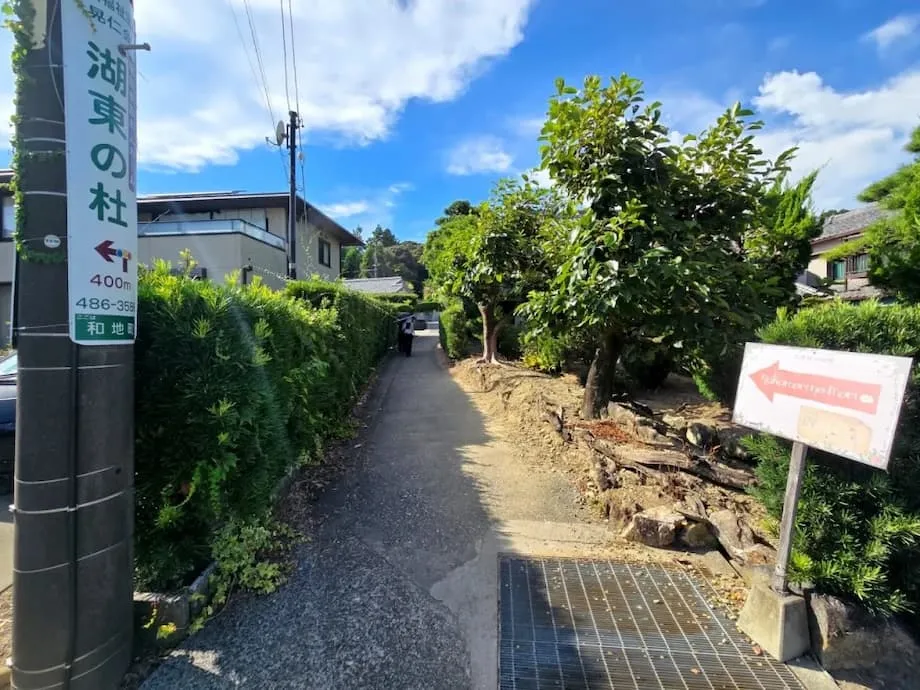
A narrow footpath through trees leads into the grounds. Buildings, gardens and pathways are arranged to blend with the surrounding forest, making the approach part of the experience. The cottages favor curved lines and unusual shapes over straight edges, with roofs and small architectural details carrying the fairy tale theme.
European stories, the work of architect Antoni Gaudi and the backgrounds of Ghibli films are among the design inspirations described for the village. Old fashioned European masonry, Gaudi inspired plasterwork and abundant greenery contribute to its cozy appearance, as described in an architectural travel account. Masonry refers to construction using materials such as stone or brick, while plasterwork shapes and finishes surfaces.
The attention to detail extends beyond the main cottages. The public restrooms follow the same theme, while statues, waterways and tucked away spaces give visitors places to pause or take photographs. The result is an environment whose smaller features matter as much as its most recognizable buildings.
Why Visitors Compare It With Ghibli
Nukumori no Mori's resemblance to an animated world has made it a destination for Ghibli enthusiasts, although its identity remains Sasaki's independently created village. Visitors also compare the setting with fantasy games such as "The Legend of Zelda."
A bus stop sign modeled after Totoro's iconic stop is one of its playful touches. Together with the cottages and forest setting, it helps explain why people associate the village with familiar fictional worlds.
A visitor writing about the village's shopping and architecture described its buildings in a village shopping account:
The houses and little huts all stick to the theme, looking as if they were built by elves and dwarves with an aversion to straight lines but a fondness for mushrooms.
A travel reviewer described the feeling of exploring the grounds in a fantasy village review:
I felt like I might spot a mythical being like Totoro around a corner or see shops selling phoenix feathers or unicorn tears.
The same setting appeals to people with no particular interest in animation. Readers of fantasy literature, admirers of European fairy tales and travelers seeking a peaceful retreat can explore its architecture and gardens without needing to recognize a film reference.
Cheesecake, Gelato and Award Winning Pastries
The Forest Cheesecake Shop sells bottle cheesecakes made with local ingredients. Gelateria Piccolo Piccho offers gelato crafted from regional produce, giving the village's food stops a connection to the surrounding area as well as to its fantasy setting.
The Cake Factory, also called Okashi no Mori or "The Sweet Forest," serves cakes, pastries and cookies. Its chef and pastry specialist, Mr. Terada, has won prestigious awards in Japan and Paris. The shop's sweets combine the playful presentation associated with the village with the work of an accomplished pastry maker.
These businesses make eating part of the visit, whether travelers stop for a dessert or build their afternoon around several shops. Nukumori no Mori also contains cafes and event spaces, so its buildings serve practical purposes alongside their role as a picturesque backdrop.
A French Meal at Douceur
Douceur, the village's centerpiece restaurant, serves French inspired prix fixe meals in a whimsical tavern setting. A prix fixe meal is a menu offered for a set price, rather than a bill built entirely from separately priced dishes.
Cave like hallways, cozy reading areas and terrace seating continue the architectural theme inside and around the restaurant. The setting invites the same imaginative comparisons as the village's cottages, with spaces that suggest a gathering place for characters in a fantasy story.
Lunch and dinner options range from affordable to luxurious. Reservations are recommended for larger parties, making Douceur a stop worth arranging ahead when a group wants to include a meal in its visit.
Shopping From Garden Furniture to Ghibli Gifts
The main shop, Cottage of Warmth, carries garden furniture, ceramics, candles, light fittings and accessories, alongside colorful woolly clothing for women. Its assortment extends the village's domestic, storybook aesthetic into objects visitors can take home.
A room devoted to Studio Ghibli merchandise contains puzzles, toys, towels and high end tableware decorated with characters including Totoro and Ponyo. The merchandise gives animation fans a shopping stop within the independently operated destination.
La Cachette sells flowers, plants and handmade accessories. Aroma Fairy specializes in natural essential oils and original blends. Together, the shops create a varied selection rather than a single kind of souvenir.
Rooms are arranged to encourage leisurely browsing, with different goods and playful details appearing as visitors move through the buildings. Shopping here is closely connected to the architecture: the interiors are part of the attraction, rather than simply places to make purchases.
Owls and Nine Places for Photographs
The Owl Cottage offers visitors the opportunity to interact with more than a dozen owls for a small fee. The experience resembles Japan's animal cafes, bringing encounters with the birds into the village's storybook setting. A separate ticket is required.
Nukumori no Mori also has nine designated photo spots. Heart shaped railings, unusual cottages and picturesque corners provide settings for fashion photographs, social media pictures and personal memories.
Photography and quiet exploration share much of the same space. Statues, waterways and hidden nooks offer details to inspect between the better known photo locations, while the surrounding greenery helps connect the buildings with their forest setting.
Opening Hours and Admission
Nukumori no Mori opens from 11 a.m. to 4 p.m. on weekdays and from 10 a.m. to 5 p.m. on weekends and holidays. It closes on Thursdays. Individual shops may follow their own schedules, so visitors are advised to check the village's official website or Instagram for opening updates and event information.
Admission is 400 yen per person, given as about US$3.65 in the August 28, 2025 article. Entry is free for seniors over 70 and children younger than junior high school age. The Owl Cottage ticket is an additional expense.
The published schedule allows five hours on a weekday and seven hours on a weekend or holiday. Travelers planning a meal, shopping and an owl encounter therefore have a longer visiting window at weekends, although those days also tend to be busier.
A weekday visit is recommended for a quieter experience. The village changes with the seasons, from lush summer greenery to cozy winter scenes, giving repeat visitors a different setting even when the buildings remain familiar.
Getting There From Hamamatsu or Tokyo
Nukumori no Mori is about a 30 to 40 minute drive from Hamamatsu. Free parking is available, but spaces are limited. Its secluded position contributes to the atmosphere while making transport planning useful.
There is no nearby train station. Visitors using public transport can take Entetsu bus 30 from stand 1 at Hamamatsu bus terminal toward Kanzanji Onsen. The stop for the village is Sujikai-bashi, followed by a walk of about five minutes.
For travelers driving from Tokyo, the journey takes approximately 3.5 hours, with tolls estimated at around US$40 each way. Those figures make the village a more substantial excursion from the capital than a brief local outing.
A weekend visit can include Kanzanji Onsen, Hamamatsu Flower Park and Hamamatsu Zoo. Pairing those nearby attractions with Nukumori no Mori provides a broader itinerary around a village whose appeal lies in its intimate scale.
What the Compact Grounds Mean for Visitors
Nukumori no Mori's narrow stairs, cozy rooms and winding paths create a close, convivial atmosphere. The same features can present challenges for people with mobility difficulties, particularly when moving between small interiors and different parts of the grounds.
Facilities include the themed restrooms and nursing rooms available on request. Dogs are welcome in some areas. These details matter for families and visitors bringing pets, alongside the admission exemptions for younger children and seniors over 70.
Local visitors use the village for afternoon outings, romantic dates and family trips. International travelers encounter a Japanese interpretation of European fantasy, with familiar fairy tale influences brought together through Sasaki's architecture, the shops and the forest surroundings.
The destination's appeal rests on that combination. Its buildings invite close inspection, its food and shops give visitors reasons to linger, and its small size keeps the experience focused. For someone expecting a compact, imaginative village rather than an expansive attraction, an afternoon can include architecture, a meal, browsing and photographs in one place.
At a Glance
- Architect Shigeyoshi Sasaki founded Nukumori no Mori in 1988 on the outskirts of Hamamatsu, Shizuoka Prefecture.
- The village covers about 2,400 square meters and contains 13 shops and eateries.
- Its fairy tale architecture recalls Ghibli films, but the village has no official Studio Ghibli affiliation.
- Food stops include the Forest Cheesecake Shop, Gelateria Piccolo Piccho, the Cake Factory and French inspired restaurant Douceur.
- The grounds have nine designated photo spots and an Owl Cottage requiring a separate ticket.
- Admission is 400 yen, with free entry for seniors over 70 and children younger than junior high school age.
- Opening hours are 11 a.m. to 4 p.m. on weekdays and 10 a.m. to 5 p.m. on weekends and holidays, with closure on Thursdays.
- Access is by car or Entetsu bus 30 from Hamamatsu, followed by a five minute walk from Sujikai-bashi.
- Narrow stairs and paths may be challenging for visitors with mobility difficulties; weekdays are recommended for a quieter visit.