A Historic Victory in Fan Voting for Bangladesh
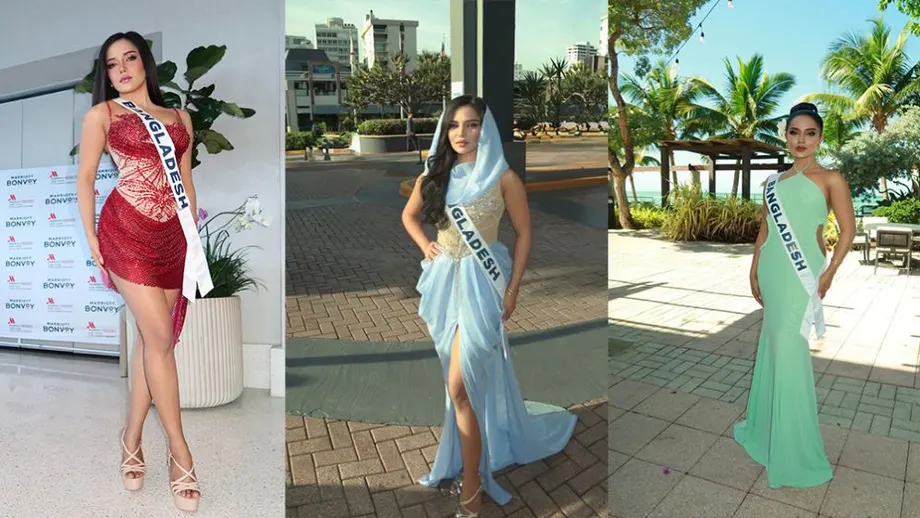
Samira Khan Mahi has secured a place in the history books of the 75th Miss Universe pageant, winning two major fan-voting categories: Best Swimsuit and Best Evening Gown. She also took first runner-up in the National Costume category. Her achievements come at a time when the public vote has become a critical factor in the pageant's outcome, giving audiences a direct voice in the competition.
Contents
Mahi, a 29-year-old actress and model from Sylhet, Bangladesh, represented her country among 116 international delegates. Although she did not advance to the top 30 semifinalists in the main competition, her performance in the specialized rounds drew widespread acclaim. The results were officially announced by the Miss Universe Organization, confirming her status as a standout contestant in the public eye.
The pageant, held in San Juan, Puerto Rico, showcased a diverse field of contestants. Mahi's victories highlighted the influence of social media and digital voting platforms in modern beauty pageants. Her success has been celebrated as a significant moment for Bangladesh, demonstrating the country's growing presence on the global stage.
The official results from the Miss Universe Organization detailed the specific awards won by Mahi, emphasizing her strong performance in the categories where public opinion plays a decisive role. The organization noted that the fan-voted awards complement the traditional judging process, offering a different lens through which to view the contestants' talents.
Dear Bangladesh, my heart is filled with so many emotions today. I know you had many dreams and expectations for me. I am truly grateful for all the love, prayers, votes, and time you have given me. I'm sorry if I couldn't make you as proud as you hoped I would.
Mahi shared her gratitude through social media, addressing the people of Bangladesh directly. She expressed her appreciation for the overwhelming support she received during the competition, acknowledging that the love from her countrymen meant more to her than the physical awards.
The Controversial Swimsuit Choice
One of the most discussed aspects of Mahi's journey was her choice of attire for the swimsuit round. Instead of the traditional bikini, which is the standard for most contestants, Mahi opted for a full-body fitted blue swimsuit known as a burkini. This decision sparked immediate conversation among viewers and critics alike.
The blue burkini, featuring long flowing fabric details, allowed Mahi to maintain her cultural identity while competing in a modern context. She explained that the choice was not just about modesty but also about confidence and comfort. The outfit stood out against the backdrop of more conventional swimwear, drawing positive attention on social media platforms.
Mahi noted that the burkini represented her Bangladeshi culture and gave her the assurance to walk the stage with pride. The garment's design, including its long sleeves and loose fit, addressed concerns about modesty while remaining stylish and suitable for the competitive setting.
The reception to her swimsuit choice was largely favorable. Many viewers praised her for breaking away from the norm and showing that beauty standards can be diverse and inclusive. The outfit became a topic of discussion, with many noting its practicality and aesthetic appeal.
An Evening Gown of Global Inspiration
For the evening gown segment, Mahi wore a stunning metallic silver and warm nude gown that sourced its design elements from Vietnam. The gown was characterized by its elegant silhouette and sophisticated color palette, which complemented her appearance and highlighted her features.
The choice of a Vietnamese-inspired gown was a strategic one, reflecting Mahi's global outlook and her appreciation for diverse cultural influences. The gown's fabric and cut allowed for graceful movement, adding to her stage presence during the final rounds.
The Miss Universe Organization highlighted the elegance of the evening gown in its coverage, noting that it was one of the most memorable looks of the night. The gown's design resonated with the audience, contributing to Mahi's victory in the Best Evening Gown fan voting category.
The selection of the evening gown was a result of careful preparation, with Mahi's team traveling to Thailand to source the outfit. The decision to choose a garment from outside her immediate cultural sphere demonstrated her versatility and willingness to embrace international fashion trends.
A National Costume Rooted in Motherhood
Mahi's national costume was a centerpiece of her presentation, designed by Bishwajit Mazumder and featuring jewelry by Canvas. The costume was a traditional red-and-white khadi saree from Comilla, adorned with intricate embroidery and block-print details.
The theme of the costume was "Motherhood: A Universal Bond of Love," which was depicted through a circular artwork on her back. This artwork illustrated the lifecycle of a woman, from childhood to motherhood and old age, symbolizing the continuous flow of love and care.
The costume also included a large headpiece featuring ivory-toned figures of mothers holding their children, surrounded by decorative red floral motifs. The green and white petals, inspired by the Shapla flower, framed the headpiece, while a red circular detail echoed the colors of the Bangladeshi flag.
Despite some logistical challenges, including a late arrival and a last-minute mishap with one of the headpiece's wings, Mahi wore the costume with grace. The audience responded warmly to the design, which many found deeply meaningful and emotionally resonant.
I had to assemble everything myself with a screwdriver because no one was allowed backstage. It took me three hours. I had to hold on to it while walking.
The jewelry, crafted by nine artisans over seven days, added to the overall elegance of the ensemble. The sitahaar and golapbaala pieces, inspired by vintage Bengal ornaments, complemented the saree and enhanced the cultural narrative of the costume.
The Road to the Top 30
Mahi's journey to the Miss Universe stage was marked by a tight schedule and a swift transition from her crowning in Dhaka to the competition in Puerto Rico. She was crowned Miss Universe Bangladesh 2026 on November 7, 2026, and flew to the United States territory the following day.
The lack of preparation time was evident in her early appearances, but Mahi adapted quickly to the demanding schedule. Her resilience and ability to perform under pressure were noted by commentators and fans alike.
The selection for the top 30 was a competitive process involving multiple rounds, including the personal interview, national costume, evening gown, and swimsuit segments. Public voting also played a crucial role, with one automatic spot awarded to the winner of the People's Choice vote.
Mahi led the People's Choice vote for a significant portion of the competition, but she fell short of the top spot by a narrow margin. Ecuador's Dalia Bucaram ultimately won the fan vote, securing the final automatic place in the top 30.
Celebrating a Significant Achievement
Despite not making the top 30, Mahi's achievements have been widely celebrated. Her double victory in the fan-voting categories is a testament to her popularity and appeal. The awards for Best Swimsuit and Best Evening Gown underscore her versatility and style.
The recognition of her national costume as first runner-up further cemented her status as a representative of Bangladeshi heritage. The costume's theme of motherhood resonated with many, highlighting the universal values of love and family.
Mahi's success has inspired many in Bangladesh, particularly young women who look up to her as a role model. Her message of self-belief and resilience has struck a chord with the public, reinforcing the idea that individual effort and cultural identity can shine on the global stage.
The Miss Universe Organization acknowledged the impact of fan-voted awards, noting that they provide a valuable metric for gauging public sentiment. Mahi's performance exemplifies the power of social media in shaping modern pageant narratives.
Key Points
Samira Khan Mahi won the Best Swimsuit and Best Evening Gown fan-voting awards at the 75th Miss Universe pageant.
She placed first runner-up in the National Costume category, wearing a khadi saree with a thematic design centered on motherhood.
-
The competition was held in San Juan, Puerto Rico, on November 24, 2026, with Jennifer Barreto winning the main title.
-
Mahi's choice of a burkini for the swimsuit round was a distinctive and well-received departure from traditional bikinis.
-
She did not advance to the top 30, losing the People's Choice vote to Ecuador's Dalia Bucaram in the final hours.